
Apple, while still a dominant force, has lagged slightly in second place in recent shipment data. Analysts speculate that this may be due to a shift in the company’s product lineup. The iPhone 18 series, for instance, reportedly moved away from offering a base entry model, focusing instead on the 18 Pro and Pro Max variants. This move toward the ultra-premium tier aligns with the broader industry trend of prioritizing high-margin devices, even if it results in lower overall shipment volumes compared to more diversified portfolios.
The "light at the end of the tunnel" for the mobile industry seems to be flickering within the foldable segment. While display shipments are booming and technological advancements are accelerating, the impact on the overall smartphone market remains to be seen. The high cost of entry for foldable devices remains a barrier for many, and the industry must still contend with the reality that for a large portion of the population, a smartphone is now a utility to be maintained rather than a fashion statement to be upgraded annually.
The Path Toward 2026
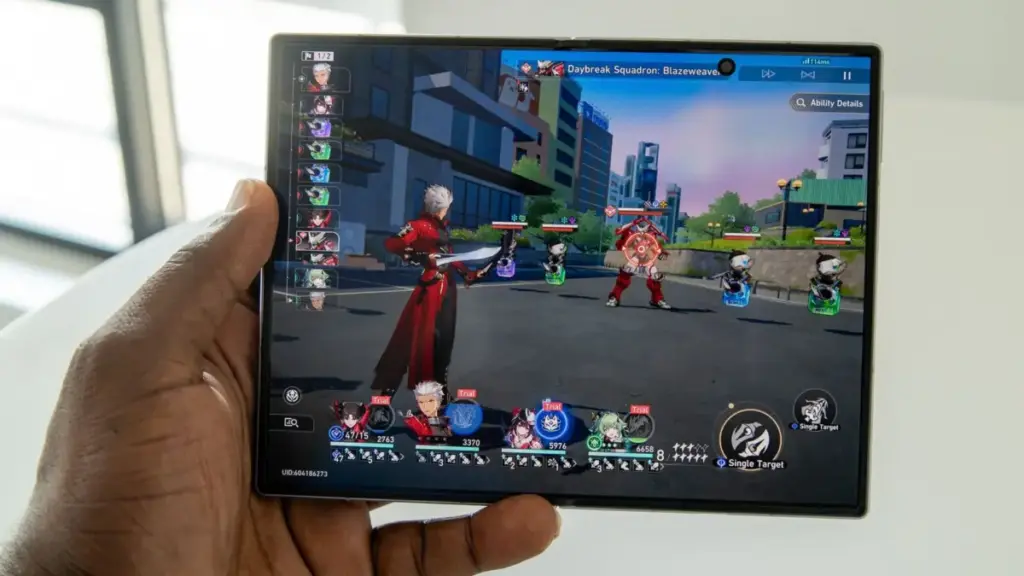
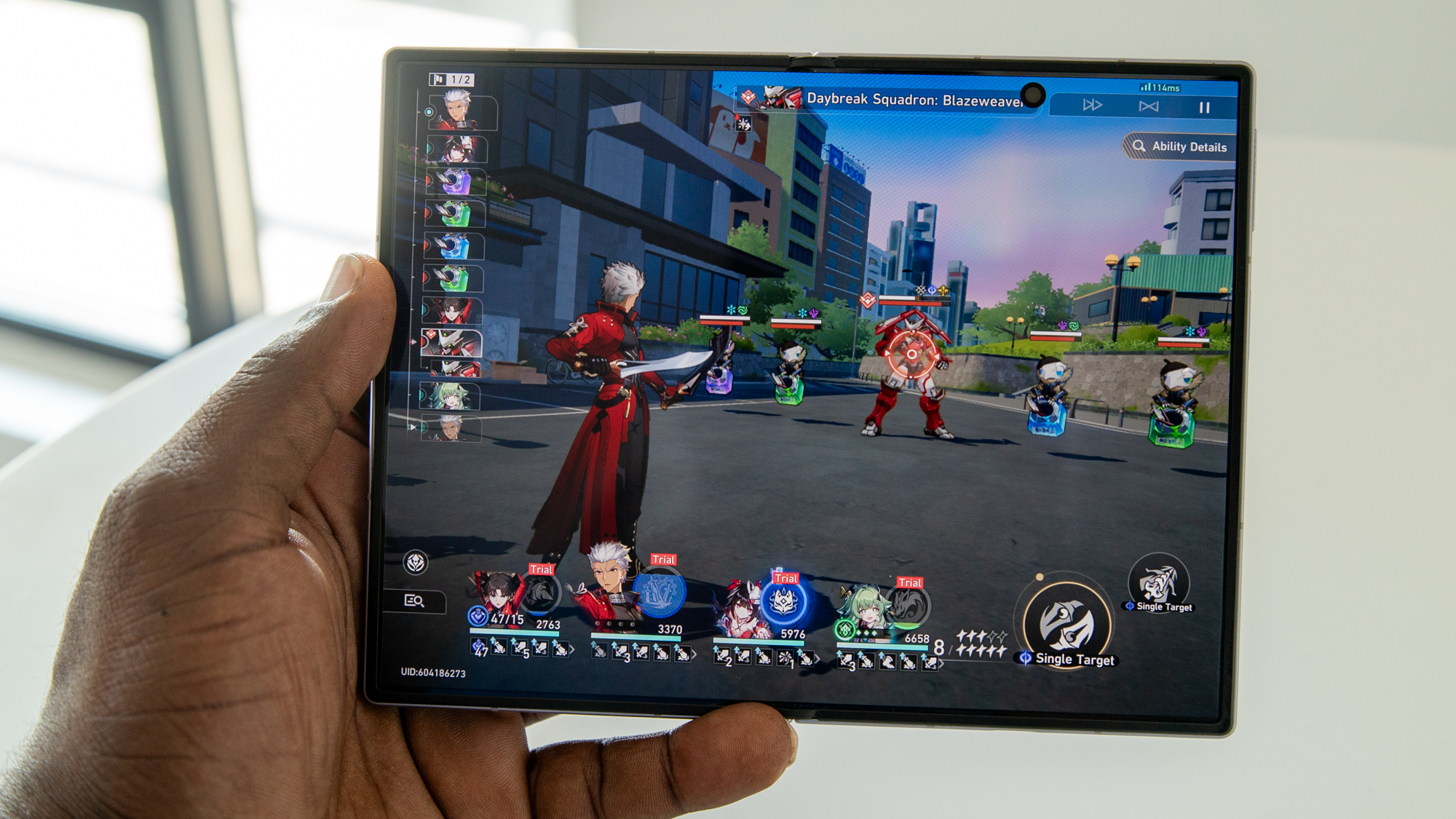
As we look toward 2026, the success of the foldable market will likely depend on whether manufacturers can continue to bridge the gap between "novelty" and "necessity." The move toward wide-screen designs is a step in that direction, addressing one of the most common complaints regarding the usability of foldable devices in their folded state. By providing a "no-compromise" experience in both phone and tablet modes, devices like the Fold 8 and the iPhone Duo are setting a new standard for what a flagship device should offer.
For Samsung, the path forward involves maintaining its lead in display innovation while navigating the complexities of being a supplier to its fiercest rivals. For the rest of the market, the challenge will be to compete with Samsung’s scale and technological maturity. As the 44% growth forecast suggests, the industry is betting heavily on foldables to break the cycle of stagnation.
While the fourth quarter of the year is often expected to look bleak due to seasonal economic pressures and the aforementioned memory shortages, the long-term outlook for foldable technology remains a rare point of optimism. The industry is banking on the idea that if you give consumers a form factor that is truly transformative—rather than just an incremental update—they will eventually return to the market. Whether this "rebound" in 2026 will be enough to lift the entire smartphone industry out of its 14-year slump is a question that only time, and the continued evolution of wide-screen displays, will answer.
 Mobile Device Management (MDM) & Mobile OS
Grand Theft Auto 6 Launch: Navigating the Vice City Experience Through Cloud Streaming and Mobile Alternatives
The global gaming community is currently standing on the precipice of a...
 Mobile Device Management (MDM) & Mobile OS
Spotify Expands AI DJ Experience with Diverse New Voice Personas and Enhanced Commentary Controls
In the rapidly evolving landscape of digital music streaming, few features have...
 Mobile Device Management (MDM) & Mobile OS
Samsung to Discontinue Native News App in 2026 as Part of Ongoing Software Streamlining
Samsung has officially confirmed that it will be discontinuing its native news...







