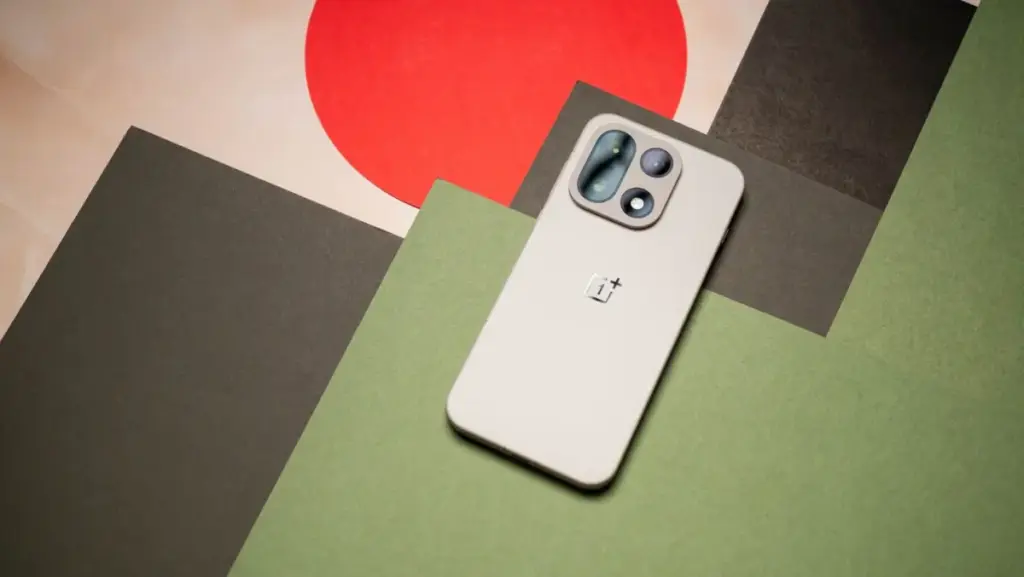
In a move that has surprised both industry analysts and the brand’s dedicated user base, OnePlus has officially commenced the rollout of its stable ColorOS 17 update, based on the Android 17 architecture, well ahead of its previously announced schedule. The update, which was originally slated for a wide release on October 29, is already reaching eligible devices, signaling an aggressive push by the company to modernize its software ecosystem and streamline its global operations.
The initial wave of the rollout is specifically targeting the company’s current flagship smartphone, the OnePlus 15 (model CPH2745), and its high-performance tablet, the OnePlus Pad 4. While the update was expected to undergo a longer period of final-stage refinement, OnePlus appears confident in the stability of the build, choosing to reward early adopters and those who participated in the open beta program with an early transition to the new operating system.
A Strategic Pivot in Software Identity
The arrival of ColorOS 17 on OnePlus hardware represents a significant milestone in the ongoing evolution of the brand. For years, OnePlus distinguished itself in the crowded Android marketplace through OxygenOS—a software skin celebrated for its "fast and smooth" performance and its proximity to a "stock" Android experience. However, the lines between OnePlus and its parent company, Oppo, have blurred increasingly over the last several hardware generations.
The decision to push ColorOS 17 as the primary stable update for the OnePlus 15 and Pad 4 is the latest step away from the unique OxygenOS identity that longtime fans have championed. This transition is deeply linked to the company’s broader corporate restructuring. According to the company’s recent strategic announcements, ColorOS will serve as the foundational software platform for the next chapter of its history, particularly as it navigates a complex withdrawal from North American and European markets.
While OxygenOS and ColorOS have shared a significant amount of underlying code and technical frameworks for several years, this latest rollout clarifies the company’s intent to unify its software development resources. By consolidating under the ColorOS banner, OnePlus aims to provide more frequent updates and a more cohesive feature set, even if it means sacrificing the distinct branding that once defined its global appeal.
Redesigned Aesthetics and Practical Improvements
ColorOS 17 is not merely a branding shift; it introduces a comprehensive suite of visual and functional enhancements designed to leverage the capabilities of Android 17. One of the most immediate changes users will notice is a complete overhaul of system animations. OnePlus has integrated a more fluid, physics-based animation engine that aims to reduce perceived latency and provide a more "organic" feel to navigation. These transitions are designed to be non-disruptive, allowing users to interrupt an animation mid-way to trigger a new command, which contributes to the overall sense of speed.
 Mobile Device Management (MDM) & Mobile OS
Samsung Reportedly Shifts Strategy Toward Premium Devices as Rising Component Costs Squeeze Budget Smartphone Margins
Samsung Electronics, the world’s largest smartphone manufacturer by volume, is reportedly preparing...
 Mobile Device Management (MDM) & Mobile OS
Anthropic Introduces Claude Duet: A Proactive AI Agent Designed to Transform Professional Workflows
Anthropic, the artificial intelligence research company often recognized for its safety-first approach...
 Mobile Device Management (MDM) & Mobile OS
Google Messages Overhauls Interface with New Gestures and Contextual Menus for Android Users
Google is currently in the process of rolling out a significant update...