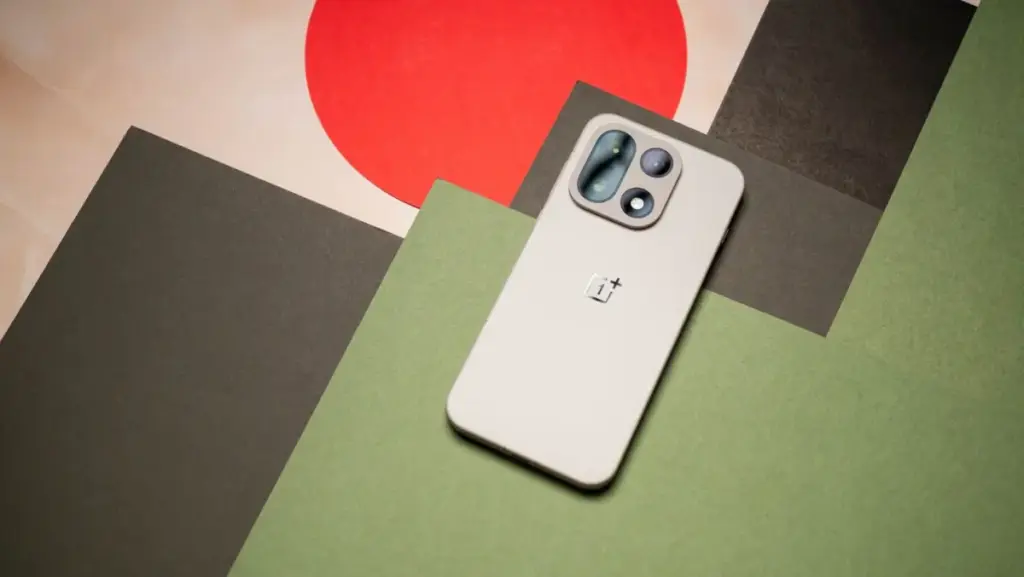
In a move that has surprised both industry analysts and the brand’s dedicated user base, OnePlus has officially commenced the rollout of its stable ColorOS 17 update, based on the Android 17 architecture, well ahead of its previously announced schedule. The update, which was originally slated for a wide release on October 29, is already reaching eligible devices, signaling an aggressive push by the company to modernize its software ecosystem and streamline its global operations.
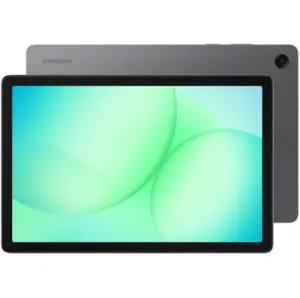
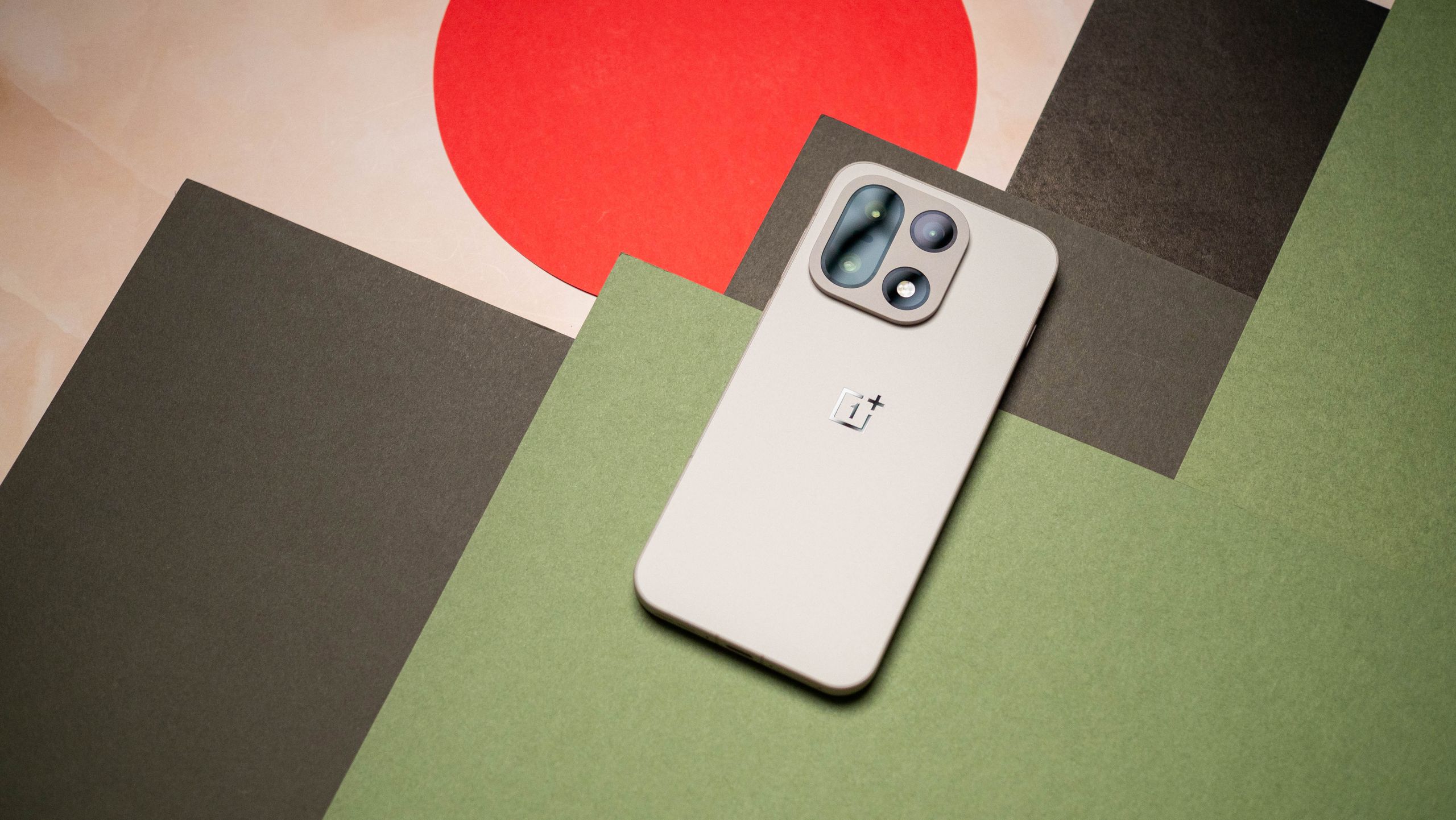
The initial wave of the rollout is specifically targeting the company’s current flagship smartphone, the OnePlus 15 (model CPH2745), and its high-performance tablet, the OnePlus Pad 4. While the update was expected to undergo a longer period of final-stage refinement, OnePlus appears confident in the stability of the build, choosing to reward early adopters and those who participated in the open beta program with an early transition to the new operating system.
A Strategic Pivot in Software Identity
The arrival of ColorOS 17 on OnePlus hardware represents a significant milestone in the ongoing evolution of the brand. For years, OnePlus distinguished itself in the crowded Android marketplace through OxygenOS—a software skin celebrated for its "fast and smooth" performance and its proximity to a "stock" Android experience. However, the lines between OnePlus and its parent company, Oppo, have blurred increasingly over the last several hardware generations.
The decision to push ColorOS 17 as the primary stable update for the OnePlus 15 and Pad 4 is the latest step away from the unique OxygenOS identity that longtime fans have championed. This transition is deeply linked to the company’s broader corporate restructuring. According to the company’s recent strategic announcements, ColorOS will serve as the foundational software platform for the next chapter of its history, particularly as it navigates a complex withdrawal from North American and European markets.
While OxygenOS and ColorOS have shared a significant amount of underlying code and technical frameworks for several years, this latest rollout clarifies the company’s intent to unify its software development resources. By consolidating under the ColorOS banner, OnePlus aims to provide more frequent updates and a more cohesive feature set, even if it means sacrificing the distinct branding that once defined its global appeal.
Redesigned Aesthetics and Practical Improvements
ColorOS 17 is not merely a branding shift; it introduces a comprehensive suite of visual and functional enhancements designed to leverage the capabilities of Android 17. One of the most immediate changes users will notice is a complete overhaul of system animations. OnePlus has integrated a more fluid, physics-based animation engine that aims to reduce perceived latency and provide a more "organic" feel to navigation. These transitions are designed to be non-disruptive, allowing users to interrupt an animation mid-way to trigger a new command, which contributes to the overall sense of speed.
The Quick Settings panel has also seen a significant redesign. Recognizing that modern smartphones feature increasingly large displays, the new layout prioritizes reachability and customization. Users can now reorganize toggles with greater flexibility, and the visual language has been cleaned up to provide better legibility at a glance. This is complemented by an expanded array of customization options for the Always-On Display, lock screen clocks, and system-wide accent colors, allowing for a more personalized user experience.
Beyond the surface-level changes, ColorOS 17 introduces critical under-the-hood optimizations. OnePlus has highlighted improved background process management as a cornerstone of this update. By utilizing more sophisticated AI-driven algorithms, the system can more accurately predict user behavior, keeping frequently used apps in a "warm" state while aggressively suspending power-hungry processes that are not in active use. This is expected to yield tangible improvements in battery efficiency, particularly for the OnePlus 15, which is designed for power users who demand full-day longevity under heavy workloads.
Privacy and security remain central themes in the Android 17 era. ColorOS 17 incorporates updated privacy controls that give users a more granular view of how their data is being accessed. New indicators and a centralized privacy dashboard make it easier to manage microphone, camera, and location permissions, ensuring that transparency is maintained across both first-party and third-party applications.
Navigating the Regional Rollout and User Choice
The rollout of ColorOS 17 is currently being managed in phases, a standard practice intended to mitigate the impact of any unforeseen bugs that might have slipped through the beta testing phase. According to an announcement on the OnePlus Community forums, the first group of users receiving the stable build are those who were previously enrolled in the open beta. This "beta-to-stable" path allows the company to monitor the performance of the final build on a controlled group of devices before initiating the wider push to the general public.
In an interesting move to address the concerns of enthusiasts, OnePlus has confirmed that eligible users will have a degree of choice in this transition. While the company is encouraging the move to ColorOS 17, it has acknowledged the loyalty of its OxygenOS user base. Those who choose to upgrade to the new ColorOS 17 environment will reportedly have the option to roll back to OxygenOS if the new experience does not meet their preferences.
However, this rollback process comes with caveats. OnePlus has not yet specified which versions of OxygenOS will be available for those looking to revert, nor has it detailed the long-term support cycle for OxygenOS in markets where the brand is pivoting its strategy. For many users, the "choice" may eventually become a matter of staying on an older, static version of OxygenOS or moving forward with the actively supported ColorOS ecosystem.
Expanding the Ecosystem: What’s Next?
The OnePlus 15 and OnePlus Pad 4 are merely the vanguard of this software transition. OnePlus has already outlined the next phase of the rollout, which will include the OnePlus 15R, the OnePlus 13, and the OnePlus 13s. These devices are expected to receive the stable ColorOS 17 update in the coming weeks, following the same phased distribution model.
The inclusion of the OnePlus 13 series in the immediate roadmap is particularly noteworthy. It suggests that OnePlus is committed to bringing its older flagship hardware up to parity with its current offerings, ensuring that the shift to ColorOS is a brand-wide movement rather than one limited to the newest models.
For owners of these devices, the update notification will appear as a system alert. Users can manually check for the update by navigating to the "Settings" menu, selecting "About device," and tapping on the "ColorOS" or "Software Update" tile. As with any major operating system jump, experts recommend that users back up their essential data before proceeding with the installation. While the "stable" tag implies a high level of reliability, the complexity of a platform shift can occasionally lead to minor compatibility issues with specific third-party applications.
The Broader Impact on the OnePlus Community
The early arrival of ColorOS 17 marks a bittersweet moment for the OnePlus community. On one hand, the speed of the rollout and the breadth of new features demonstrate a company that is still capable of rapid technical execution. On the other hand, the move away from OxygenOS and the confirmed departure from key Western markets represent the end of an era for a brand that once defined itself as the ultimate "flagship killer" for the global enthusiast.
By aligning its software so closely with Oppo’s ColorOS, OnePlus is positioning itself to be more efficient and competitive in its remaining markets. The sharing of resources allows for deeper integration between hardware and software, potentially leading to the "practical improvements" in battery and performance that the company has promised.
As the rollout continues to expand to more regions and devices, the feedback from the initial wave of OnePlus 15 and Pad 4 users will be crucial. Their experiences with the new animations, the refined Quick Settings, and the overall stability of the Android 17-based system will determine whether this early release is seen as a successful leap forward or a rushed departure from the brand’s roots. For now, OnePlus owners are encouraged to monitor their update settings and stay tuned to community reports as the stable build reaches more hands worldwide.
 Mobile Device Management (MDM) & Mobile OS
Google Transforms Search Experience with Gemini 4 Hydrogen Integration, Prioritizing Visual Context and Intent Recognition
In a significant move to redefine the landscape of digital information retrieval,...
 Mobile Device Management (MDM) & Mobile OS
TCL NXTPAPER 11 Plus Drops Below $200, Offering a Compelling Android Alternative to Traditional E-Readers
For years, the choice for digital readers has been a binary one:...
 Mobile Device Management (MDM) & Mobile OS
Vivo Unveils X500 Series in Shanghai Featuring 8,000mAh Battery and MediaTek’s 2nm Dimensity 9600 Pro
Vivo has officially pulled back the curtain on its latest flagship smartphone...