The smart home security market has seen a rapid transformation over the last several years, moving from simple keypad entries to sophisticated biometric systems that integrate deeply with broader home automation frameworks. In a significant move to capture a larger share of this evolving landscape, SwitchBot has officially announced the launch of its latest flagship security products: the SwitchBot Lock Vision and the SwitchBot Lock Vision Pro. These new entries represent a major technological leap for the company, moving beyond simple retrofitting solutions to offer a comprehensive, high-tech security suite that prioritizes both convenience and interoperability.
The headline feature for many potential buyers, particularly those within the Apple ecosystem, is the native support for Matter over Wi-Fi. This inclusion marks a pivotal shift in how SwitchBot devices interact with the Apple Home framework. Historically, many SwitchBot products required a proprietary hub to bridge the gap between the device’s local communication protocol and Apple’s HomeKit. With the Lock Vision series, this barrier has been removed. Users who own an Apple TV or a HomePod can now connect these locks directly to their smart home setup out of the box, simplifying the installation process and reducing the overall hardware footprint required for a functional smart home.
Advanced Biometrics and the Implementation of 3D Facial Recognition
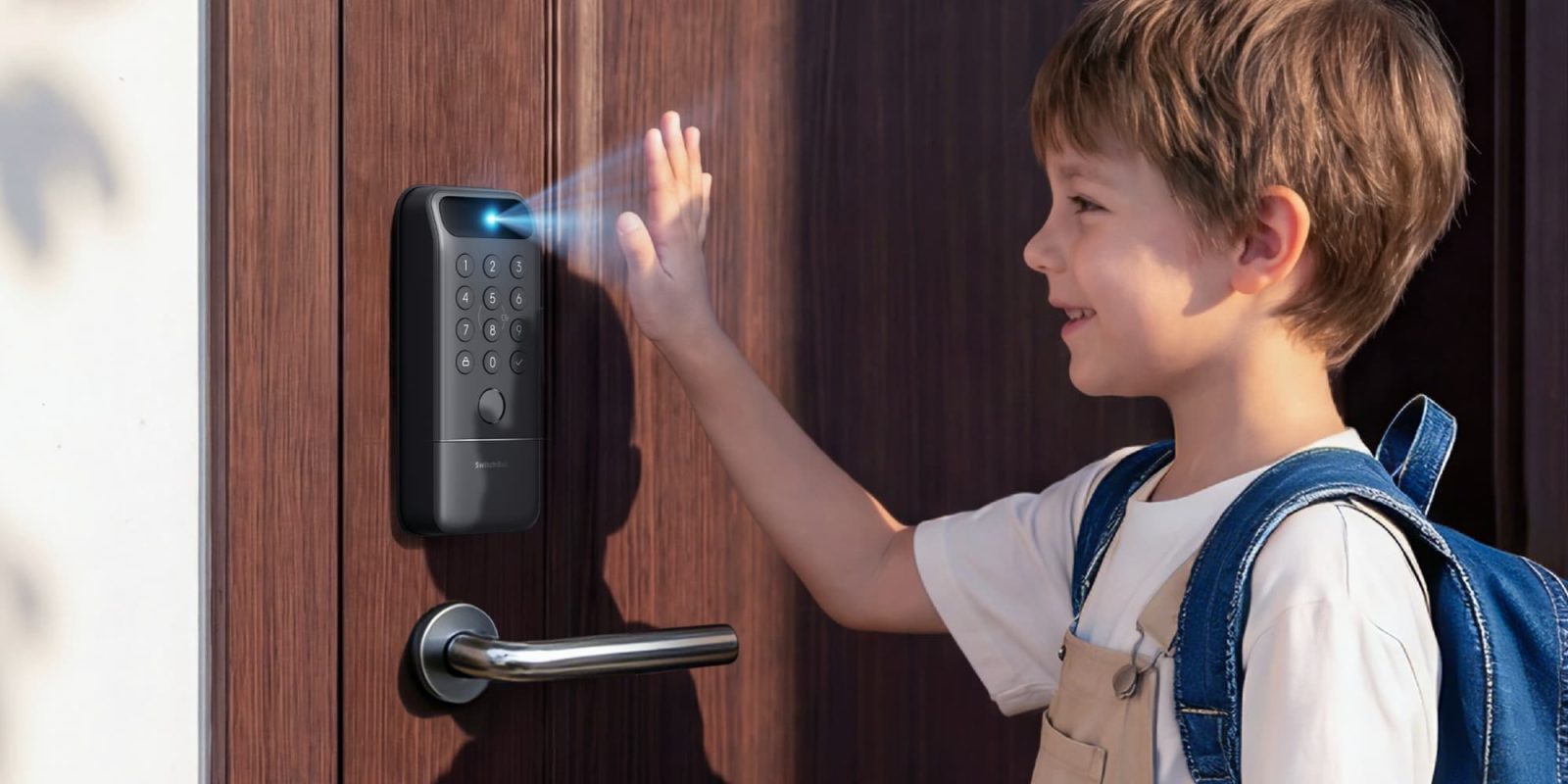
At the heart of the Lock Vision series is a sophisticated biometric suite designed to provide seamless, hands-free entry. The primary innovation found in both models is the 3D facial recognition system. Unlike traditional 2D camera systems that can sometimes be deceived by high-resolution photographs or video screens, the SwitchBot Lock Vision utilizes an array of sensors to project over 20,000 infrared points onto a user’s face. This process creates a precise 3D depth map, ensuring that the person at the door is physically present and matches the stored profile.
SwitchBot has engineered this system for high-speed performance and versatility. The company claims the hardware can recognize and unlock the door in under one second. Furthermore, the 3D mapping technology is designed to be resilient against common changes in a user’s appearance. The system is capable of accurately identifying registered users even if they are wearing hats, glasses, or wigs, or if they have applied heavy makeup. This level of adaptability is crucial for a primary entry point, where environmental factors and personal style changes should not impede access.
Privacy remains a central concern for consumers regarding facial recognition technology. To address this, SwitchBot has opted for a localized data architecture. All biometric information—including facial maps and fingerprint data—is stored locally on the device itself rather than in the cloud. This data is protected by AES-128 encryption, a standard intended to prevent unauthorized access and ensure that sensitive personal identifiers remain within the physical confines of the home.
For users seeking the absolute maximum in entry flexibility, the Lock Vision Pro model expands upon the standard facial recognition with additional biometric sensors. The Pro version incorporates semiconductor fingerprint recognition, a technology known for its speed and accuracy compared to older optical sensors. Additionally, the Pro model introduces a contactless palm vein scanner. This technology utilizes near-infrared sensing to read the unique vascular patterns beneath the skin of a user’s hand. Because palm vein patterns are internal and highly complex, they are nearly impossible to forge, offering an extra layer of high-security authentication that does not require the user to touch the hardware—a feature that may appeal to those concerned with hygiene or those living in colder climates where gloves might interfere with fingerprint sensors.
 Smart Home & IoT Solutions
Apple Strategic Shift: New Home Security and Monitoring Service Slated for 2027 Launch
Apple is reportedly preparing a significant expansion of its hardware and services...
 Smart Home & IoT Solutions
Apple and LG’s Upcoming Smart Home Accessories to Feature Exclusive Dynamic Island Proximity Controls
As Apple prepares for its highly anticipated "Welcome home" special event scheduled...
 Smart Home & IoT Solutions
Apple Intelligence and 4K Video Support Headline Significant Home App Upgrades in iOS 27
As Apple prepares for what is rumored to be one of its...