Apple is reportedly preparing a significant expansion of its hardware and services portfolio, with a particular focus on reclaiming a dominant position in the smart home market. While the company is expected to refresh several existing home-focused devices in the near term, a new report suggests a much more ambitious long-term play. According to Bloomberg’s Mark Gurman, Apple is developing a dedicated home security and monitoring service, currently targeted for a 2027 release, which will be anchored by a novel, privacy-centric security sensor.
This development marks a pivot for the Cupertino-based giant. While Apple has long offered HomeKit as a framework for third-party accessories, it has largely stayed out of the first-party home security hardware and professional monitoring business. The upcoming service represents a move to compete directly with established players like Amazon’s Ring and Google’s Nest, leveraging Apple’s reputation for privacy and its massive services ecosystem to entice homeowners.
Apple Home Security and Monitoring Service Planned for 2027, Per Mark Gurman
The roadmap for Apple’s home division appears to be accelerating. For years, the company’s presence in the living room and kitchen was limited to the Apple TV and various iterations of the HomePod. However, recent leaks and industry analysis point toward a major overhaul of the product line. In the immediate pipeline, Apple is expected to debut a new Apple TV 4K, a refreshed HomePod mini, and a highly anticipated home hub—frequently referred to in rumors as the "HomePad"—which is expected to function as a wall-mounted or tabletop control center for the modern smart home.
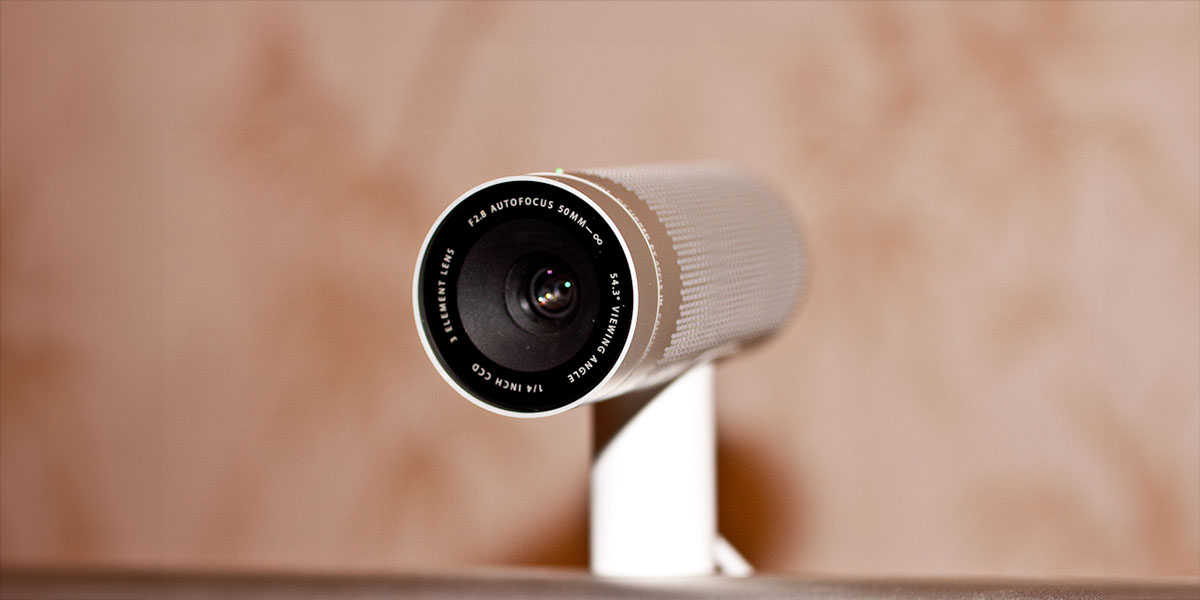
However, the most intriguing detail in the latest Bloomberg report concerns the company’s plans for the year 2027. Gurman indicates that Apple is working on an "in-home security sensor and system" that departs from the traditional surveillance model. Rather than relying on constant video streams that may raise privacy concerns for users, this new device is expected to use advanced on-device artificial intelligence to monitor the surrounding environment.
The core of the strategy is a "privacy-centric" approach. The report suggests that the device will be designed to detect anomalies, movement, or specific environmental changes using AI, rather than capturing and storing actual video footage in the traditional sense. This aligns with Apple’s broader corporate philosophy of processing data locally whenever possible and minimizing the amount of sensitive personal information stored in the cloud.
The most significant revelation, however, is the mention of a specific "service" component. Gurman writes that the new hardware "will tap into a new home security and monitoring service." This phrasing suggests that Apple is not merely selling a standalone sensor, but is instead building a subscription-based platform that could potentially include professional monitoring, emergency response coordination, and enhanced cloud storage for metadata and environmental alerts.
The Strategic Importance of a Home Monitoring Service
 Smart Home & IoT Solutions
Apple Poised for Major Smart Home Overhaul as Apple Intelligence Breathes New Life into Stagnant Product Line
For several years, Apple’s presence in the smart home market has felt...
 Smart Home & IoT Solutions
SwitchBot Unveils Lock Vision Series Featuring Matter Integration and Advanced 3D Biometric Recognition
In a significant expansion of its smart home security portfolio, SwitchBot has...
 Smart Home & IoT Solutions
Apple Set to Unveil "HomeView" Smart Hub with iMac G4-Inspired Design and A18 Chip at Upcoming "Welcome Home" Event
Apple is preparing to make its most significant leap into the smart...