For several years, Apple’s presence in the smart home market has felt like a secondary priority, characterized by aging hardware and a voice assistant that many users felt had fallen behind the competition. The HomePod mini and the current Apple TV 4K, while reliable, are built on foundations that are now four to six years old—an eternity in the fast-moving world of consumer electronics. However, the tide appears to be turning. With the official unveiling of Apple Intelligence, the company is finally addressing the primary bottleneck that has reportedly held back its home hardware roadmap: the limitations of Siri.
Industry analysts and supply chain reports suggest that Apple is on the verge of a comprehensive product overhaul. The integration of advanced, on-device artificial intelligence requires significantly more powerful silicon than what is found in the current HomePod and Apple TV models. Now that the software framework for a smarter, more context-aware Siri is in place, Apple is expected to launch a wave of new devices designed to act as the primary interfaces for this new era of ambient computing.
Imminent Hardware Refreshes: HomePod mini and Apple TV 4K
The first phase of this rollout is expected to arrive as early as this fall, focusing on the two pillars of Apple’s current home ecosystem. The HomePod mini, which has remained largely unchanged since its debut in 2020 aside from new color options, is slated for a significant internal upgrade.
The current HomePod mini relies on the S5 chip, the same processor that powered the Apple Watch Series 5. To support the more demanding requirements of Apple Intelligence, the next iteration is expected to jump to the S9 chip—the silicon found in the Apple Watch Series 9—or potentially even more capable hardware. While the external industrial design may remain familiar, the internal improvements will be substantial. Beyond the processor, rumors point to the inclusion of the N1 wireless chip, which debuted in the iPhone 15 series. This updated Ultra Wideband silicon would enhance Handoff capabilities and spatial awareness within the home. Coupled with modest audio engineering improvements and a fresh palette of colors, the new HomePod mini’s primary selling point will be its ability to serve as a high-speed, local gateway for Siri’s new AI capabilities.
Parallel to the audio updates, the Apple TV 4K is also due for a refresh. The current model utilizes the A15 Bionic chip, which remains powerful for streaming and light gaming but may struggle with the localized large language models (LLMs) that define Apple Intelligence. Reports indicate that the next Apple TV 4K will move to the A17 Pro. While some enthusiasts might find the choice of a three-year-old chip curious for a brand-new release, the A17 Pro represents the minimum threshold for running Apple Intelligence locally. This upgrade would allow the Apple TV to process complex home automation requests and personal context queries without relying entirely on the cloud, significantly reducing latency.
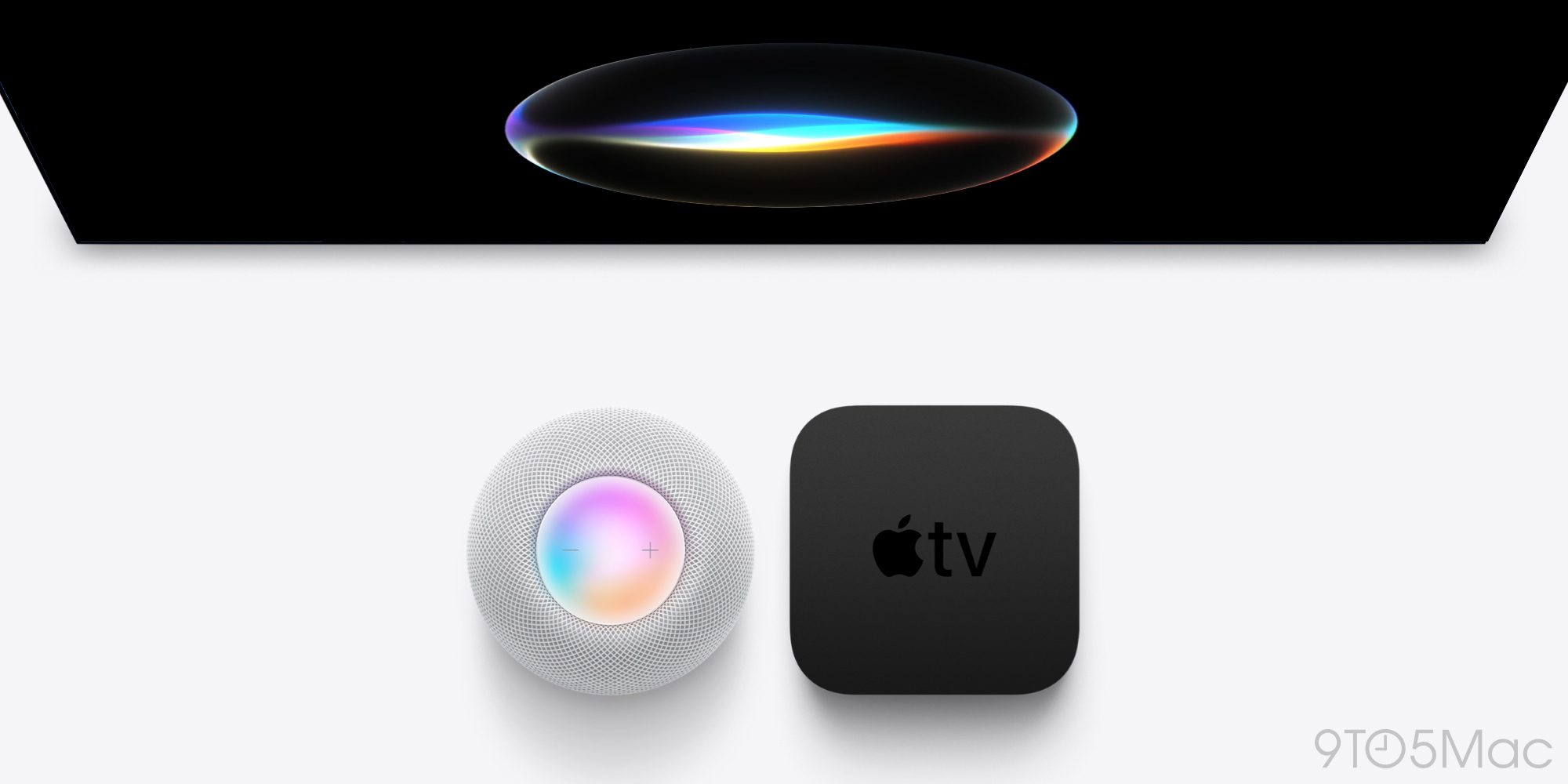
In addition to the internal specifications, there are indications of a tweaked Siri Remote design, potentially aimed at improving ergonomics or integrating find-my capabilities more deeply. Despite these hardware jumps, pricing is expected to remain consistent with Apple’s recent adjustments. The HomePod mini is projected to stay at the $129 price point, while the Apple TV 4K is expected to start at $199, maintaining their positions as the accessible entry points into the Apple home ecosystem.
 Smart Home & IoT Solutions
Report: Apple ‘HomeView’ smart home hub will ship in November, come in four colors, A18 chip
The "HomeView" branding appears designed to sit naturally alongside Apple’s existing smart...
 Smart Home & IoT Solutions
The Frictionless Frontier: How the Apple Home Collection Aims to Bridge the Gap Between Tech Enthusiasts and the Mass Market
For those who consider themselves part of the global community of technology...
 Smart Home & IoT Solutions
Apple Reportedly Developing Integrated Home Security and Monitoring Service for 2027 Launch
Apple is preparing to significantly escalate its presence in the smart home...