

The Emergence of the Smart Home Hub
While updates to existing products are welcome, the most significant shift in Apple’s strategy involves the introduction of an entirely new category: the dedicated smart home hub. For years, users have used iPads as makeshift wall-mounted controllers, but Apple is now reportedly finalizing a purpose-built device to fill this gap.
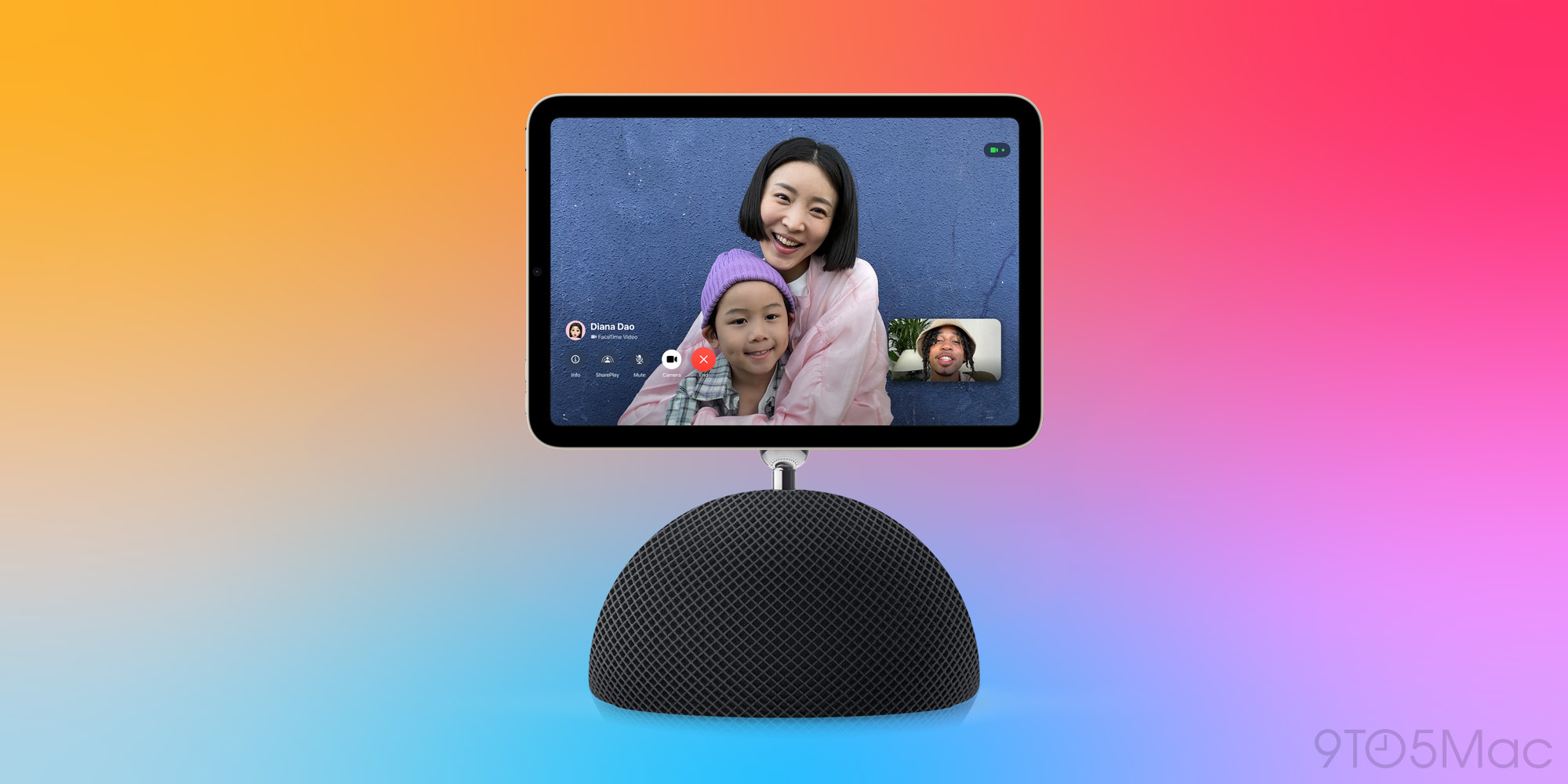
This new product, often referred to by insiders as the "HomePad," is expected to debut between October of this year and early 2025. According to development leaks, the device will be offered in two distinct configurations. The first is a minimalist version featuring a 7-inch square display designed to be mounted to walls via a magnetic system. This version would serve as a digital command center for the modern household. The second variant is expected to feature the same display but attached to a high-quality speaker base, positioning it as a direct competitor to the Google Nest Hub and Amazon Echo Show.
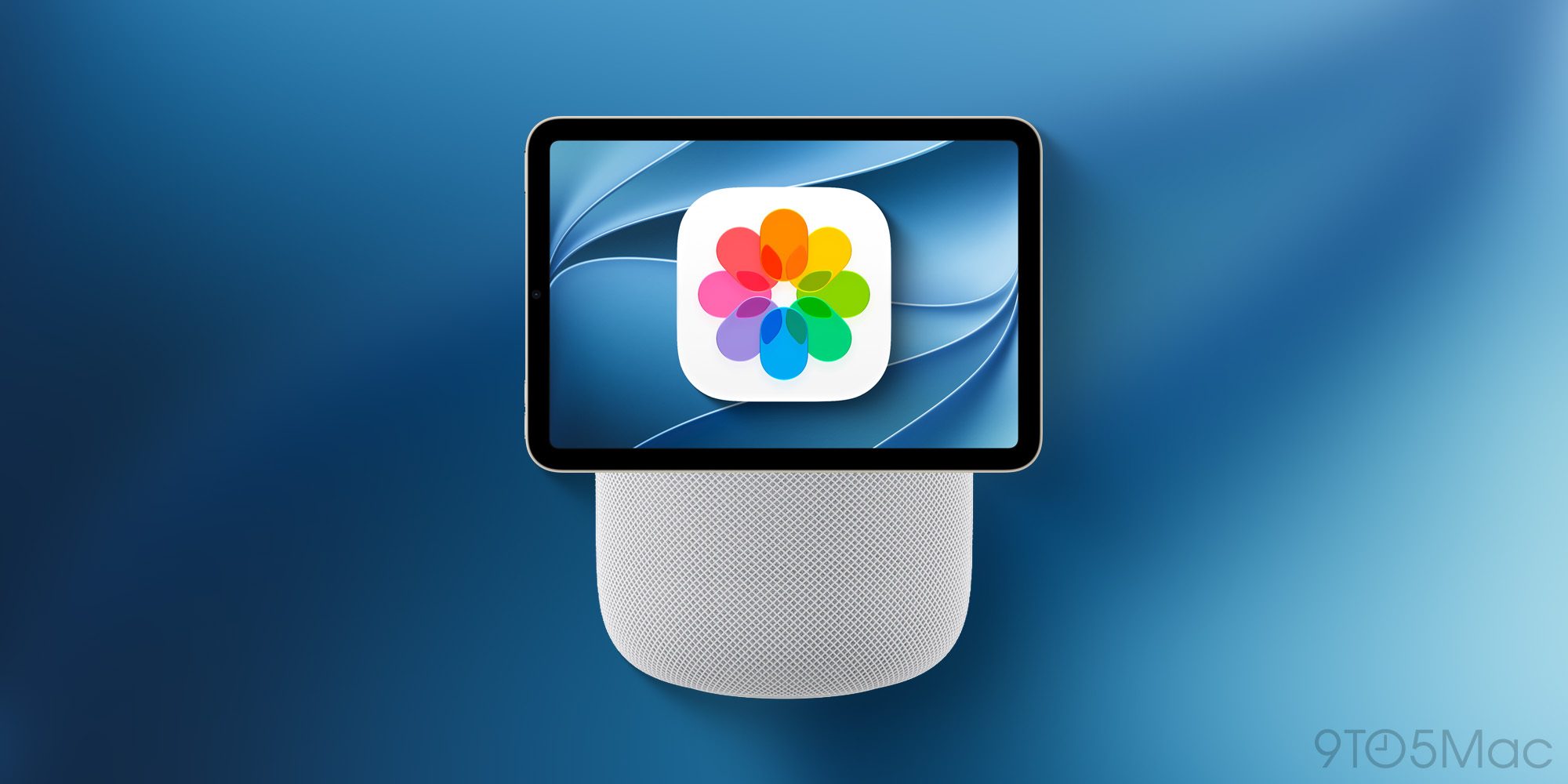
Powering this new category is an entirely new operating system, currently dubbed "homeOS." This software is designed from the ground up to prioritize home-specific tasks. It will feature a tailored interface for managing HomeKit-enabled devices, making FaceTime calls, and interacting with the revamped Siri. To ensure that this hub can handle the full suite of Apple Intelligence features, it is rumored to be powered by the A18 chip, the same silicon expected to lead Apple’s next generation of mobile devices. This would make the HomePad one of the most powerful smart home controllers on the market, capable of complex image recognition and natural language processing right on the kitchen counter or hallway wall.
Furthermore, the full-size HomePod is not being left behind. While the second-generation HomePod was released relatively recently, Bloomberg’s Mark Gurman has reported that a successor is already in development. The primary goal for this update is parity; Apple needs its flagship speaker to possess the same AI-processing power as its smaller siblings and the upcoming smart hub, ensuring a seamless Siri experience regardless of which device is listening.
Expanding the Ecosystem: Security and Robotics
Looking further ahead into late 2026 and 2027, Apple’s ambitions appear to extend beyond control hubs and speakers. For the first time, the company is reportedly planning to enter the smart home accessory market directly, rather than relying solely on third-party manufacturers through the HomeKit framework.
At the top of the list for this expansion are an Apple-branded security camera and a smart doorbell. While Apple currently offers the HomeKit Secure Video platform, which provides encrypted storage for third-party cameras, producing its own hardware would allow for tighter integration. An Apple security camera could leverage the company’s expertise in facial recognition and on-device processing to offer privacy-focused features that are difficult for competitors to replicate. By controlling both the hardware and the software, Apple can offer a "plug-and-play" security experience that fits perfectly within the existing ecosystem of iPhones, Macs, and Apple TVs.
 Smart Home & IoT Solutions
Apple Expands Smart Home Ecosystem with New Aqara Accessories and Third-Party Hardware Ahead of Major Product Launches
In a significant update to its retail and digital storefronts this week,...
 Smart Home & IoT Solutions
Apple Poised for Major Smart Home Overhaul as Apple Intelligence Breaks Siri Development Bottleneck
For several years, Apple’s presence in the smart home market has felt...
 Smart Home & IoT Solutions
Apple and LG Collaborate on New Suite of Smart Home Devices in Major HomeKit Strategic Pivot
Apple is reportedly embarking on an ambitious expansion of its presence in...







