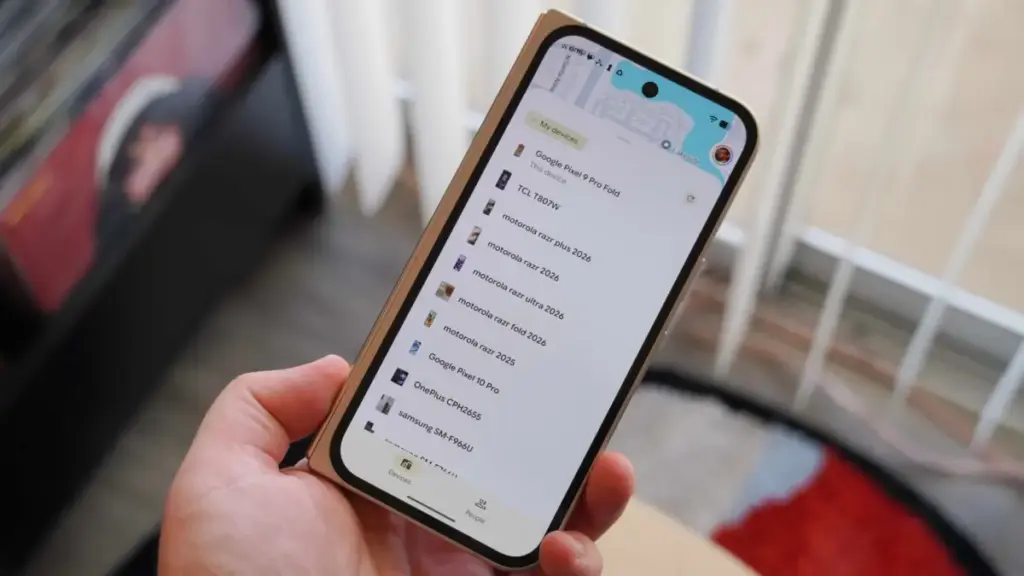
In a significant move to achieve feature parity with its primary competitors, Google has begun the rollout of a highly anticipated security and convenience feature for its Android Find Hub ecosystem. The new functionality, labeled "Notify when left behind," is designed to provide users with proactive alerts the moment they move out of range of their tagged belongings. This update marks a pivotal moment for the Android Find My Device network, which has undergone a series of fundamental transformations over the past year to better compete with Apple’s long-established Find My network.
The introduction of these separation alerts addresses one of the most persistent criticisms of Google’s revamped tracking infrastructure. While the network has grown to encompass millions of devices and a burgeoning selection of third-party hardware, it has—until now—largely functioned as a reactive tool. Users could locate a lost item after realizing it was gone, but the system lacked the intelligence to prevent the loss from occurring in the first place. With the latest update, Google is shifting the Find Hub toward a more preventative model of asset management.
The Evolution of the Android Find Hub
The journey to this update began in earnest last year when Google officially rebranded and overhauled the Find My Device experience into what is now colloquially known as the Find Hub. This transition was not merely cosmetic; it represented a massive technical undertaking that turned the global fleet of Android devices into a crowdsourced locating network. By leveraging Bluetooth proximity, the network allows Android phones to securely and privately report the location of nearby lost items to their owners, even when those items are offline or lack GPS capabilities.
Since that initial relaunch, the ecosystem has seen the arrival of several high-profile hardware partners. Motorola recently entered the fray with the Moto Tag, a versatile tracker that utilizes both Bluetooth and Ultra-Wideband (UWB) technology. Similarly, companies like Chipolo and Pebblebee have released specialized trackers in various form factors, including card-shaped devices for wallets and traditional tags for keychains. As these hardware options proliferated, the absence of separation alerts became increasingly conspicuous, particularly for users migrating from the iOS ecosystem who were accustomed to Apple’s "Separation Alerts" introduced years ago.
The discovery of the "Notify when left behind" feature was first reported by 9to5Google, noting its appearance within the settings of Bluetooth trackers connected to the Find Hub. The rollout appears to be part of a server-side update coupled with the latest versions of Google Play Services, ensuring that a wide swathe of the Android user base will gain access to the feature without requiring a major OS-level upgrade.
How the Proactive Alert System Functions
The core utility of "Notify when left behind" is its ability to create a digital tether between a user’s primary smartphone and their various tagged items. When the feature is toggled on within the Find Hub application, the system monitors the Bluetooth connection strength and proximity data between the phone and the tracker. If the distance between the two increases significantly—suggesting the user has walked away from their keys, luggage, or wallet—the Android system triggers a high-priority notification.
 Mobile Device Management (MDM) & Mobile OS
Google Explores Enhanced Security for Chrome on Android with Biometric Password Reauthentication
The convenience of modern mobile browsing often rests on a delicate balance...
 Mobile Device Management (MDM) & Mobile OS
Samsung Reportedly Developing ‘Galaxy Studio’ Over-Ear Headphones to Challenge Apple and Sony
For nearly a decade, the premium over-ear headphone market has been defined...
 Mobile Device Management (MDM) & Mobile OS
Samsung One UI 9 Update Reportedly Linked to Severe Battery Drain and Setup Errors Across Galaxy Flagships
Samsung has maintained an aggressive pace in its software deployment cycle throughout...