
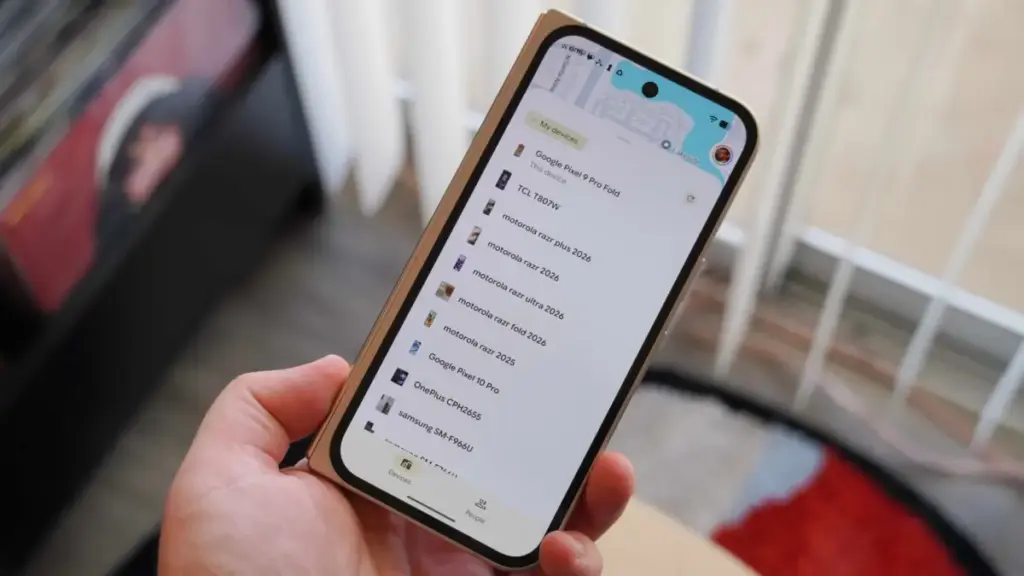
However, the framework established by this update suggests that broader support could be on the horizon. Google has been working closely with audio partners like Sony and JBL to integrate Find My Device technology directly into their firmware. As these integrations mature, it is highly probable that Google will refine the "left behind" logic to account for the specific behaviors of different device categories.
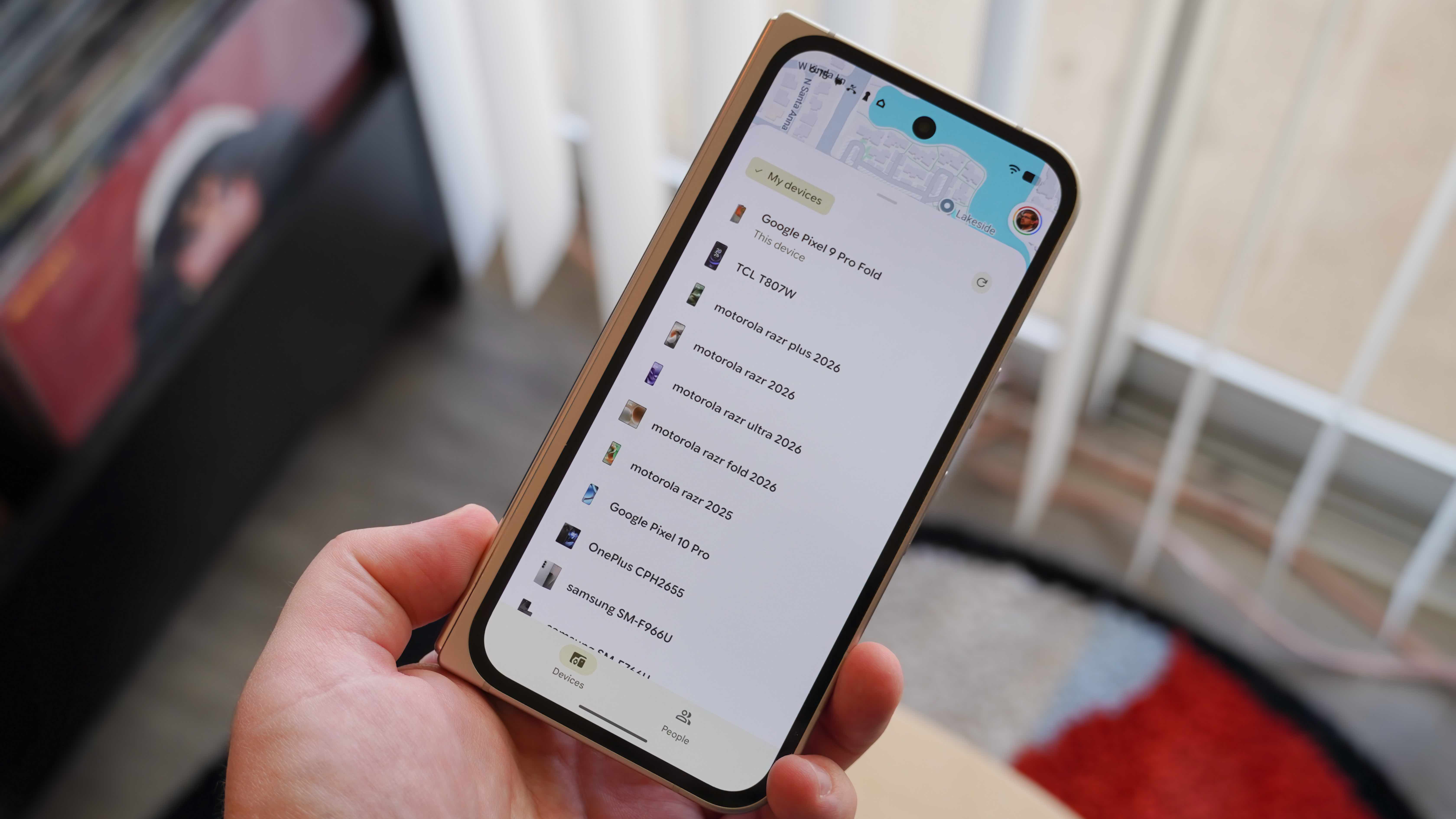
There is also the matter of Ultra-Wideband (UWB) technology. While the current alerts rely on Bluetooth proximity, the latest flagship Android phones, such as the Pixel 9 series and recent Samsung Galaxy S-series devices, are equipped with UWB chips. This technology allows for much more precise spatial awareness. Future iterations of the "Notify when left behind" feature could theoretically use UWB to provide even more accurate alerts, reducing the "buffer zone" and notifying users the moment they move more than a few meters away from an object.
The Impact on the Third-Party Accessory Market
The rollout of this feature is also expected to provide a significant boost to the third-party accessory market. Manufacturers who have invested in the Android Find My Device network now have a much stronger selling point for their hardware. Previously, a consumer might have hesitated to purchase a Moto Tag or a Chipolo tracker if it lacked the proactive alerting capabilities of an AirTag. With that barrier removed, the value proposition for these devices increases substantially.
This development also encourages more manufacturers to join the ecosystem. As the Find Hub becomes more feature-rich, it creates a "network effect" where the increasing number of users and devices makes the entire system more effective for everyone involved. For a platform that relies on the density of its network to locate lost items, every new feature that attracts users is a win for the entire community.
Conclusion of the Rollout Phase
As the "Notify when left behind" feature continues to reach users globally, the Android Find Hub is finally beginning to feel like a complete, mature service. It represents a shift in philosophy from a tool used in emergencies to a silent assistant that works in the background to prevent those emergencies from happening.
For the millions of Android users who rely on their devices to keep track of their daily lives, this update is a welcome addition that brings peace of mind. While it may have taken longer than some had hoped, the implementation appears robust and well-integrated into the existing Android framework. As Google continues to iterate on this technology, the Find Hub is poised to become an indispensable part of the Android experience, ensuring that "lost and found" becomes a concept of the past.
 Mobile Device Management (MDM) & Mobile OS
Xreal Aura Officially Launches: The Dawn of a New Era for Android XR and Spatial Computing
The long-anticipated arrival of Xreal’s latest hardware milestone has finally reached its...
 Mobile Device Management (MDM) & Mobile OS
TOPDON Announces Significant Black Friday Discounts on Automotive Diagnostic Tools and Winter Emergency Equipment
As the winter season approaches, bringing with it plummeting temperatures and unpredictable...
 Mobile Device Management (MDM) & Mobile OS
Google Expands Certified Refurbished Program to Include Pixel 9 Series with Significant Price Cuts
Google has officially expanded its hardware offerings in the United States by...







