
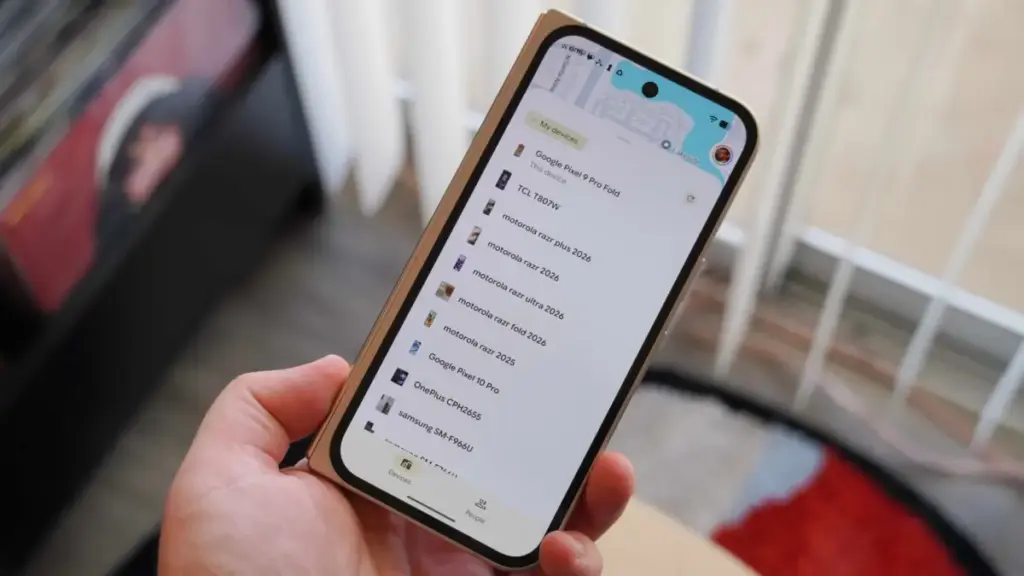
In a significant move to achieve feature parity with its primary competitors, Google has begun the rollout of a highly anticipated security and convenience feature for its Android Find Hub ecosystem. The new functionality, labeled "Notify when left behind," is designed to provide users with proactive alerts the moment they move out of range of their tagged belongings. This update marks a pivotal moment for the Android Find My Device network, which has undergone a series of fundamental transformations over the past year to better compete with Apple’s long-established Find My network.
The introduction of these separation alerts addresses one of the most persistent criticisms of Google’s revamped tracking infrastructure. While the network has grown to encompass millions of devices and a burgeoning selection of third-party hardware, it has—until now—largely functioned as a reactive tool. Users could locate a lost item after realizing it was gone, but the system lacked the intelligence to prevent the loss from occurring in the first place. With the latest update, Google is shifting the Find Hub toward a more preventative model of asset management.
The Evolution of the Android Find Hub
The journey to this update began in earnest last year when Google officially rebranded and overhauled the Find My Device experience into what is now colloquially known as the Find Hub. This transition was not merely cosmetic; it represented a massive technical undertaking that turned the global fleet of Android devices into a crowdsourced locating network. By leveraging Bluetooth proximity, the network allows Android phones to securely and privately report the location of nearby lost items to their owners, even when those items are offline or lack GPS capabilities.
Since that initial relaunch, the ecosystem has seen the arrival of several high-profile hardware partners. Motorola recently entered the fray with the Moto Tag, a versatile tracker that utilizes both Bluetooth and Ultra-Wideband (UWB) technology. Similarly, companies like Chipolo and Pebblebee have released specialized trackers in various form factors, including card-shaped devices for wallets and traditional tags for keychains. As these hardware options proliferated, the absence of separation alerts became increasingly conspicuous, particularly for users migrating from the iOS ecosystem who were accustomed to Apple’s "Separation Alerts" introduced years ago.
The discovery of the "Notify when left behind" feature was first reported by 9to5Google, noting its appearance within the settings of Bluetooth trackers connected to the Find Hub. The rollout appears to be part of a server-side update coupled with the latest versions of Google Play Services, ensuring that a wide swathe of the Android user base will gain access to the feature without requiring a major OS-level upgrade.
How the Proactive Alert System Functions
The core utility of "Notify when left behind" is its ability to create a digital tether between a user’s primary smartphone and their various tagged items. When the feature is toggled on within the Find Hub application, the system monitors the Bluetooth connection strength and proximity data between the phone and the tracker. If the distance between the two increases significantly—suggesting the user has walked away from their keys, luggage, or wallet—the Android system triggers a high-priority notification.
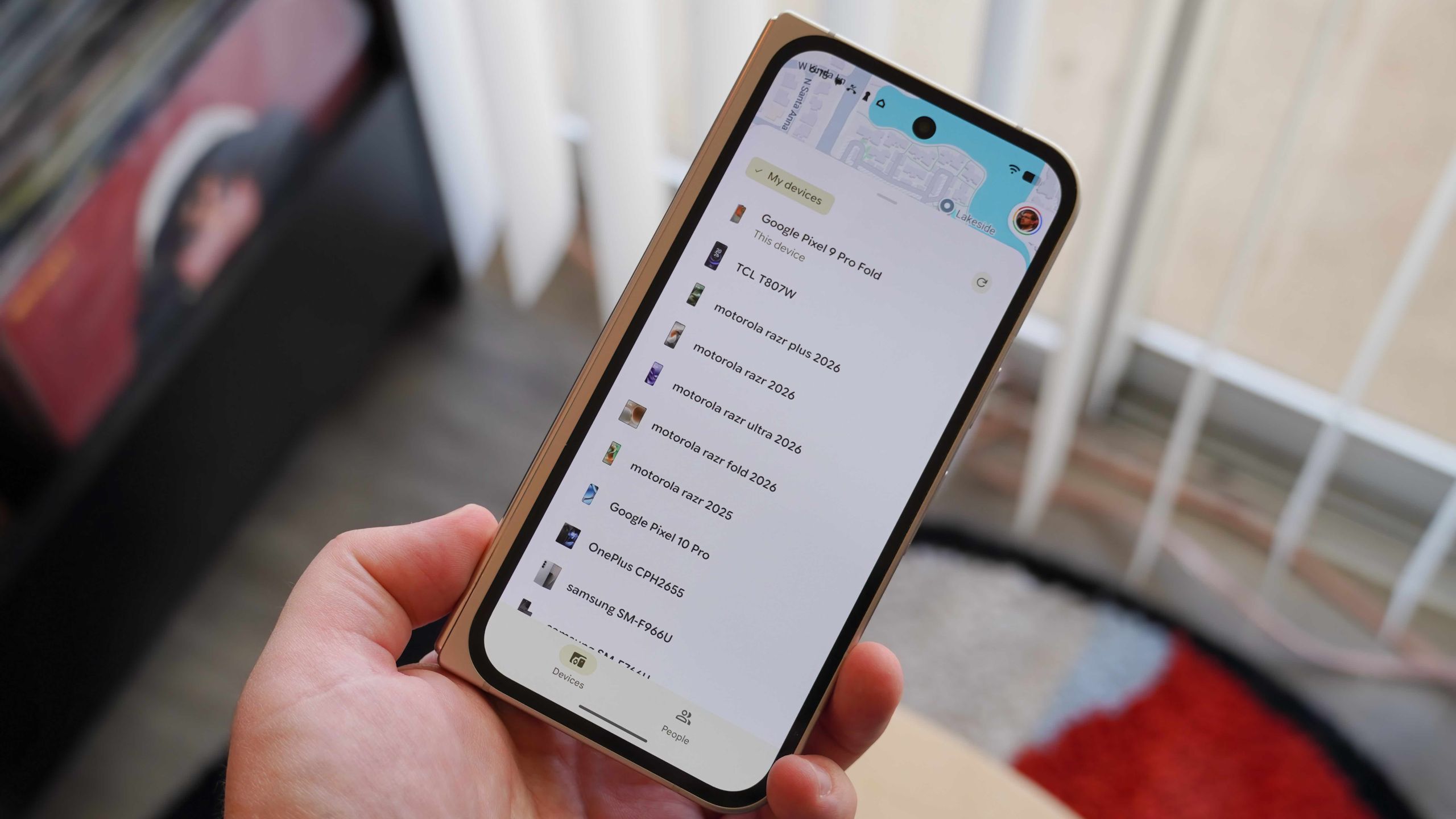
This functionality is particularly vital in high-traffic or high-stress environments, such as airports, restaurants, or public transit. For instance, a traveler who leaves a wallet on a café table will receive a notification on their phone or smartwatch before they have even left the terminal, potentially saving hours of stress and the significant logistical burden of replacing lost identification and credit cards.
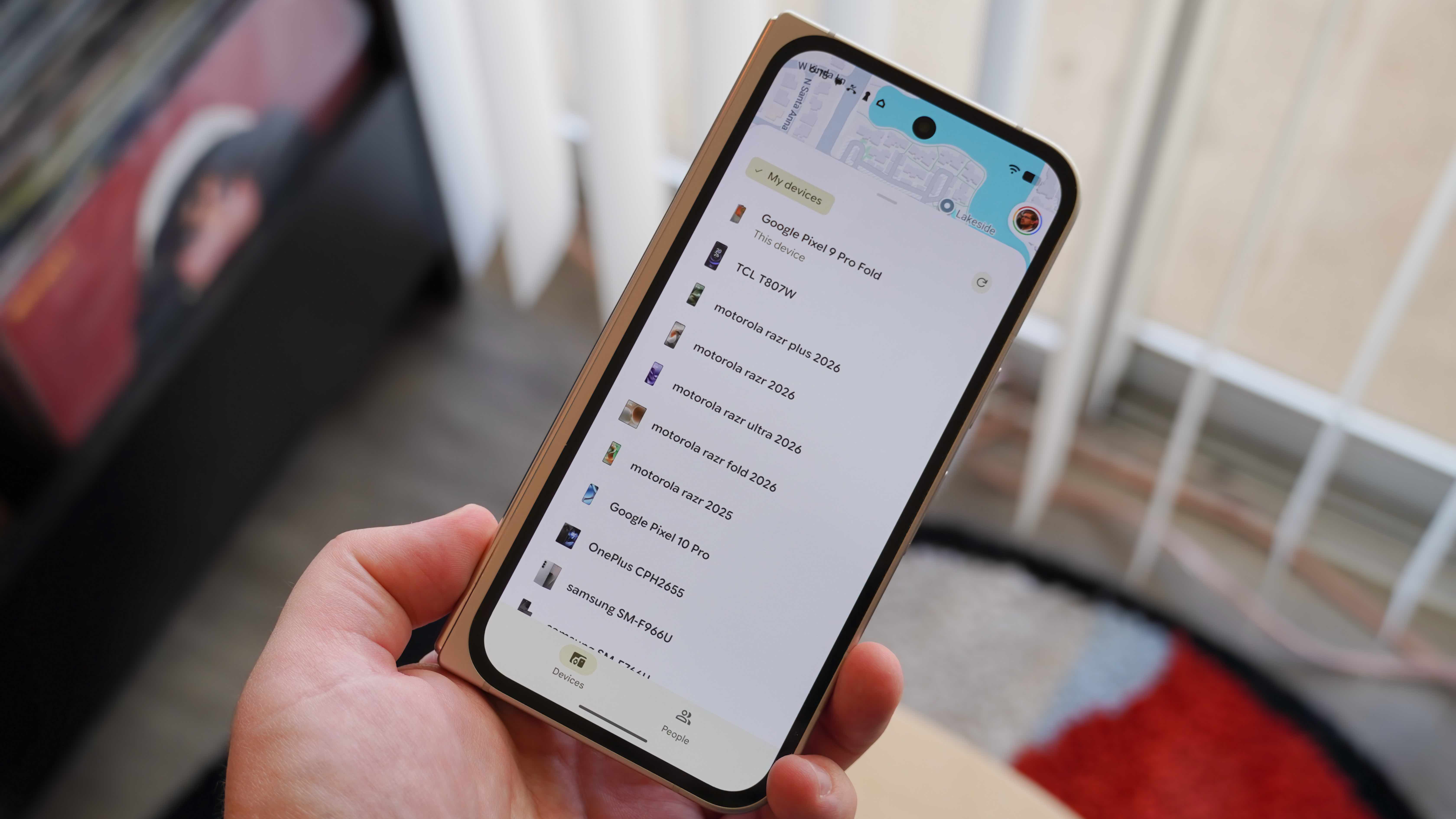
To access the new feature, users must navigate to the Find Hub app, select the specific Bluetooth tracker they wish to monitor, and enter the device’s individual settings menu. Within this interface, a new toggle for "Notify when left behind" should now be visible for compatible hardware. Once activated, the system operates in the background, utilizing low-energy Bluetooth protocols to minimize the impact on the battery life of both the smartphone and the tracking tag.
Strategic Parity and the Competitive Landscape
For years, Apple’s Find My network was considered the gold standard of consumer tracking technology, largely due to its "Separation Alerts." By finally integrating a similar mechanism, Google is closing a critical gap in the Android user experience. This is not just a matter of convenience; it is a strategic necessity as Google seeks to make the Android ecosystem more attractive to premium users who prioritize security and seamless hardware integration.
The delay in bringing this feature to Android can be attributed to the inherent complexity of the Android ecosystem. Unlike Apple, which maintains total control over its hardware and software stack, Google must ensure that its features work across thousands of different device models from dozens of manufacturers. Furthermore, Google spent a significant portion of the last year collaborating with Apple on a joint industry standard for unwanted tracking protections. This collaboration was designed to ensure that trackers from either company could not be used for surreptitious stalking, a move that was praised by privacy advocates but which necessitated a slower rollout of certain advanced tracking features.
Now that the safety foundations are firmly in place, Google is focusing on the "quality of life" features that define the daily user experience. The "Notify when left behind" feature represents the first of what many industry analysts expect to be a series of updates aimed at making the Find Hub more intuitive and automated.
Current Limitations and Future Potential
As it stands, the "Notify when left behind" feature is currently restricted to dedicated Bluetooth trackers like the Moto Tag and Chipolo Point. It does not yet appear to support other Bluetooth-enabled peripherals that are part of the Find Hub, such as compatible headphones or smartwatches. This limitation is likely due to the different ways these devices manage power and connectivity. Dedicated trackers are designed to be "always-on" beacons, whereas headphones often enter deep sleep modes or disconnect entirely when placed in a charging case, which could lead to false positive alerts.
However, the framework established by this update suggests that broader support could be on the horizon. Google has been working closely with audio partners like Sony and JBL to integrate Find My Device technology directly into their firmware. As these integrations mature, it is highly probable that Google will refine the "left behind" logic to account for the specific behaviors of different device categories.
There is also the matter of Ultra-Wideband (UWB) technology. While the current alerts rely on Bluetooth proximity, the latest flagship Android phones, such as the Pixel 9 series and recent Samsung Galaxy S-series devices, are equipped with UWB chips. This technology allows for much more precise spatial awareness. Future iterations of the "Notify when left behind" feature could theoretically use UWB to provide even more accurate alerts, reducing the "buffer zone" and notifying users the moment they move more than a few meters away from an object.
The Impact on the Third-Party Accessory Market
The rollout of this feature is also expected to provide a significant boost to the third-party accessory market. Manufacturers who have invested in the Android Find My Device network now have a much stronger selling point for their hardware. Previously, a consumer might have hesitated to purchase a Moto Tag or a Chipolo tracker if it lacked the proactive alerting capabilities of an AirTag. With that barrier removed, the value proposition for these devices increases substantially.
This development also encourages more manufacturers to join the ecosystem. As the Find Hub becomes more feature-rich, it creates a "network effect" where the increasing number of users and devices makes the entire system more effective for everyone involved. For a platform that relies on the density of its network to locate lost items, every new feature that attracts users is a win for the entire community.
Conclusion of the Rollout Phase
As the "Notify when left behind" feature continues to reach users globally, the Android Find Hub is finally beginning to feel like a complete, mature service. It represents a shift in philosophy from a tool used in emergencies to a silent assistant that works in the background to prevent those emergencies from happening.
For the millions of Android users who rely on their devices to keep track of their daily lives, this update is a welcome addition that brings peace of mind. While it may have taken longer than some had hoped, the implementation appears robust and well-integrated into the existing Android framework. As Google continues to iterate on this technology, the Find Hub is poised to become an indispensable part of the Android experience, ensuring that "lost and found" becomes a concept of the past.
 Mobile Device Management (MDM) & Mobile OS
Google Extends Free Satellite SOS Access for Pixel 9 Users, Delaying the Looming Question of Subscription Costs
In a move that offers both immediate relief and long-term ambiguity for...
 Mobile Device Management (MDM) & Mobile OS
Samsung Expands U.S. Ecosystem with Official Launch of Galaxy SmartTag 3 and Open-Ear Galaxy Buds On
Samsung has officially bolstered its presence in the American wearables and accessories...
 Mobile Device Management (MDM) & Mobile OS
Motorola Signals Potential Revival of Moto One Series Following Recent Regulatory Filings
Motorola appears to be reaching into its archives to breathe new life...







