
This functionality is particularly vital in high-traffic or high-stress environments, such as airports, restaurants, or public transit. For instance, a traveler who leaves a wallet on a café table will receive a notification on their phone or smartwatch before they have even left the terminal, potentially saving hours of stress and the significant logistical burden of replacing lost identification and credit cards.
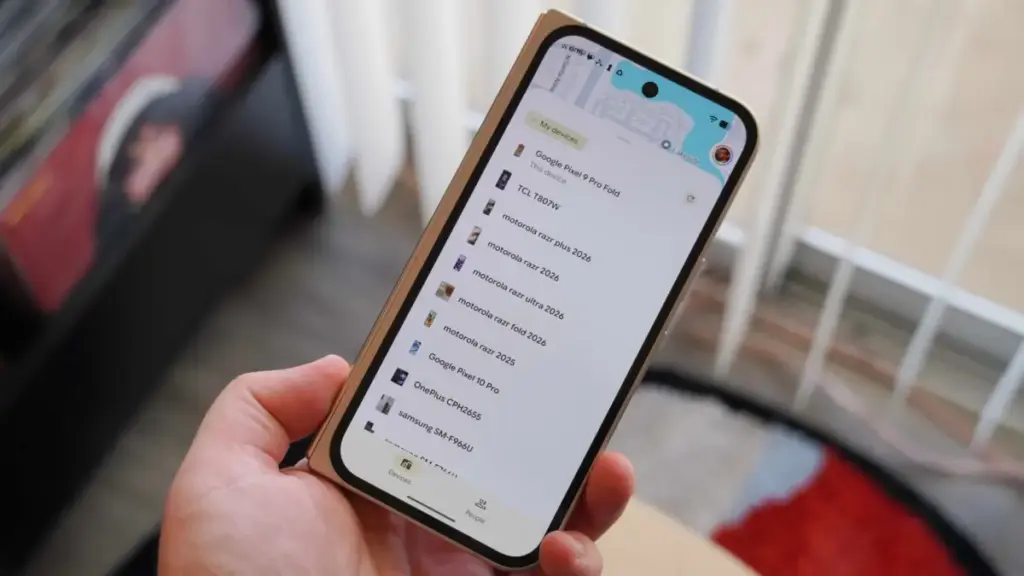
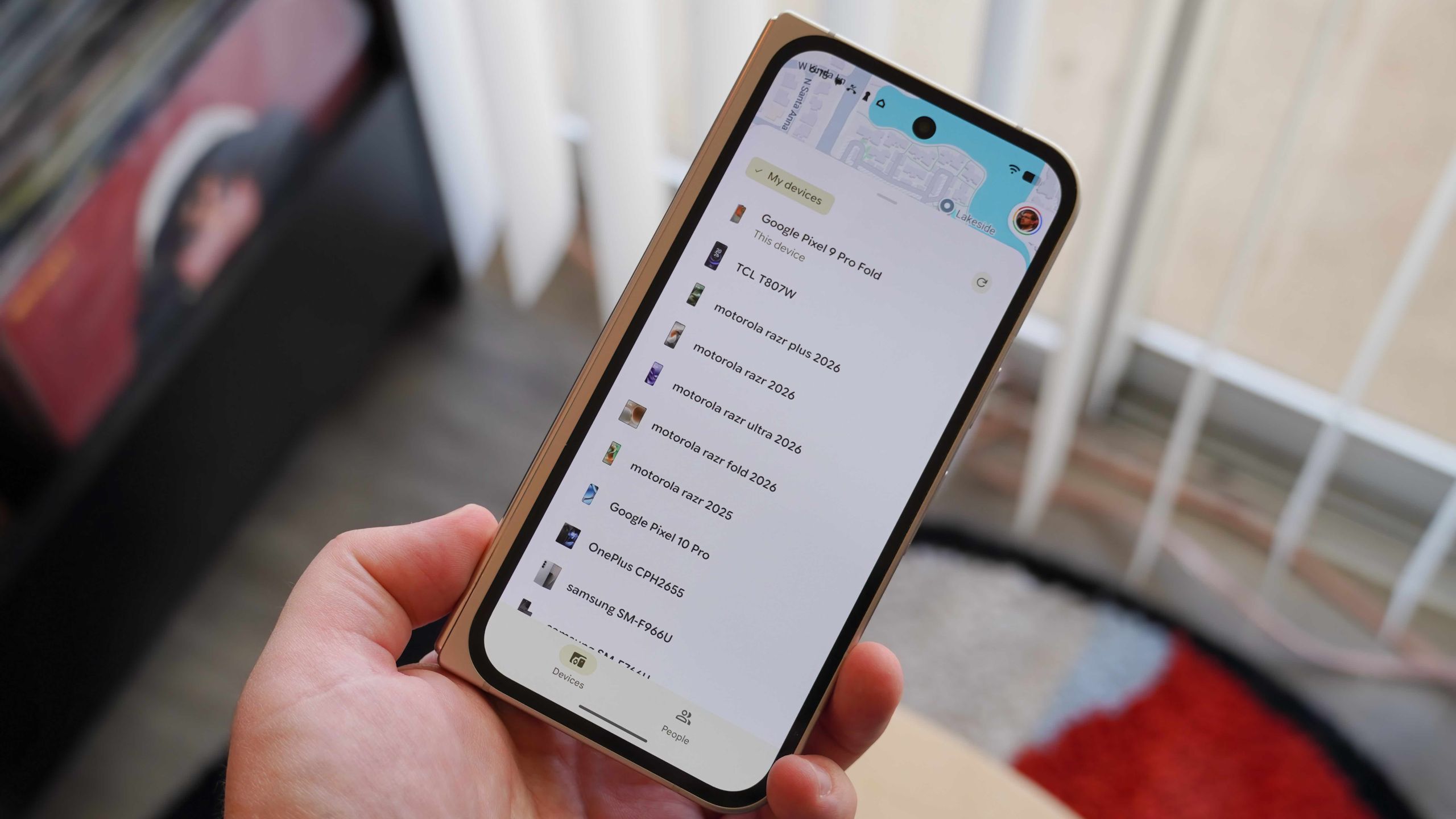
To access the new feature, users must navigate to the Find Hub app, select the specific Bluetooth tracker they wish to monitor, and enter the device’s individual settings menu. Within this interface, a new toggle for "Notify when left behind" should now be visible for compatible hardware. Once activated, the system operates in the background, utilizing low-energy Bluetooth protocols to minimize the impact on the battery life of both the smartphone and the tracking tag.
Strategic Parity and the Competitive Landscape
For years, Apple’s Find My network was considered the gold standard of consumer tracking technology, largely due to its "Separation Alerts." By finally integrating a similar mechanism, Google is closing a critical gap in the Android user experience. This is not just a matter of convenience; it is a strategic necessity as Google seeks to make the Android ecosystem more attractive to premium users who prioritize security and seamless hardware integration.
The delay in bringing this feature to Android can be attributed to the inherent complexity of the Android ecosystem. Unlike Apple, which maintains total control over its hardware and software stack, Google must ensure that its features work across thousands of different device models from dozens of manufacturers. Furthermore, Google spent a significant portion of the last year collaborating with Apple on a joint industry standard for unwanted tracking protections. This collaboration was designed to ensure that trackers from either company could not be used for surreptitious stalking, a move that was praised by privacy advocates but which necessitated a slower rollout of certain advanced tracking features.
Now that the safety foundations are firmly in place, Google is focusing on the "quality of life" features that define the daily user experience. The "Notify when left behind" feature represents the first of what many industry analysts expect to be a series of updates aimed at making the Find Hub more intuitive and automated.
Current Limitations and Future Potential
As it stands, the "Notify when left behind" feature is currently restricted to dedicated Bluetooth trackers like the Moto Tag and Chipolo Point. It does not yet appear to support other Bluetooth-enabled peripherals that are part of the Find Hub, such as compatible headphones or smartwatches. This limitation is likely due to the different ways these devices manage power and connectivity. Dedicated trackers are designed to be "always-on" beacons, whereas headphones often enter deep sleep modes or disconnect entirely when placed in a charging case, which could lead to false positive alerts.
 Mobile Device Management (MDM) & Mobile OS
Xreal One Pro Receives Significant Price Cut During Prime Big Deal Days as the Market for Wearable Displays Expands
The landscape of personal entertainment and mobile productivity is undergoing a quiet...
 Mobile Device Management (MDM) & Mobile OS
Xiaomi 18 Fold Review: A Masterclass in Hardware Engineering Shackled by Software Borders
The trajectory of the foldable smartphone market has, for several years, been...
 Mobile Device Management (MDM) & Mobile OS
Enhancing the Mobile Experience: The Essential Role of Affordable Audio Accessories in the Smartphone Era
The modern smartphone has undergone a radical transformation over the last decade,...







