

For several years, Apple’s presence in the smart home market has felt like a secondary priority, characterized by aging hardware and a voice assistant that many users felt had fallen behind the competition. The HomePod mini and the current Apple TV 4K, while reliable, are built on foundations that are now four to six years old—an eternity in the fast-moving world of consumer electronics. However, the tide appears to be turning. With the official unveiling of Apple Intelligence, the company is finally addressing the primary bottleneck that has reportedly held back its home hardware roadmap: the limitations of Siri.
Industry analysts and supply chain reports suggest that Apple is on the verge of a comprehensive product overhaul. The integration of advanced, on-device artificial intelligence requires significantly more powerful silicon than what is found in the current HomePod and Apple TV models. Now that the software framework for a smarter, more context-aware Siri is in place, Apple is expected to launch a wave of new devices designed to act as the primary interfaces for this new era of ambient computing.
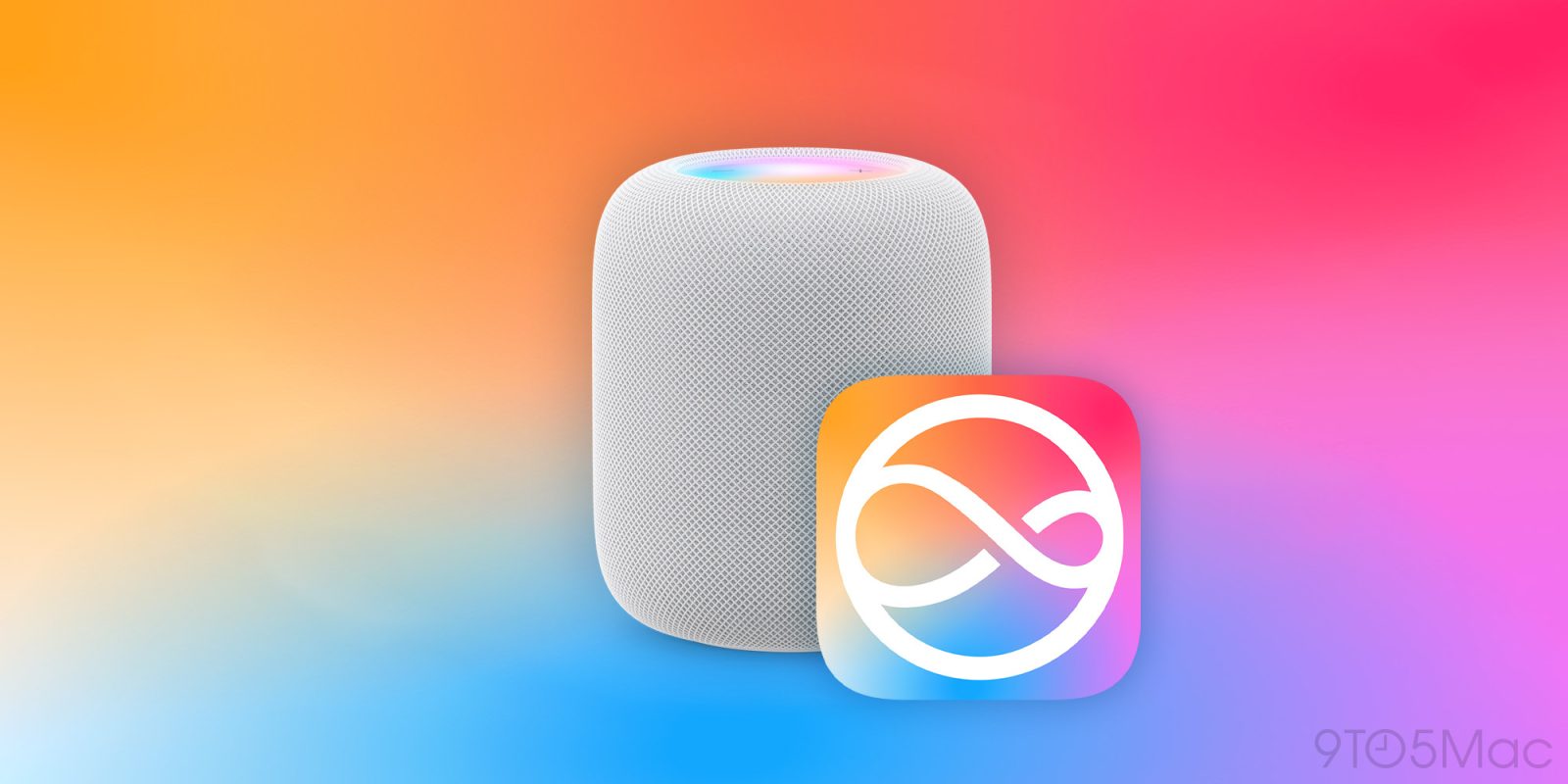
Imminent Hardware Refreshes: HomePod mini and Apple TV 4K
The first phase of this rollout is expected to arrive as early as this fall, focusing on the two pillars of Apple’s current home ecosystem. The HomePod mini, which has remained largely unchanged since its debut in 2020 aside from new color options, is slated for a significant internal upgrade.
The current HomePod mini relies on the S5 chip, the same processor that powered the Apple Watch Series 5. To support the more demanding requirements of Apple Intelligence, the next iteration is expected to jump to the S9 chip—the silicon found in the Apple Watch Series 9—or potentially even more capable hardware. While the external industrial design may remain familiar, the internal improvements will be substantial. Beyond the processor, rumors point to the inclusion of the N1 wireless chip, which debuted in the iPhone 15 series. This updated Ultra Wideband silicon would enhance Handoff capabilities and spatial awareness within the home. Coupled with modest audio engineering improvements and a fresh palette of colors, the new HomePod mini’s primary selling point will be its ability to serve as a high-speed, local gateway for Siri’s new AI capabilities.
Parallel to the audio updates, the Apple TV 4K is also due for a refresh. The current model utilizes the A15 Bionic chip, which remains powerful for streaming and light gaming but may struggle with the localized large language models (LLMs) that define Apple Intelligence. Reports indicate that the next Apple TV 4K will move to the A17 Pro. While some enthusiasts might find the choice of a three-year-old chip curious for a brand-new release, the A17 Pro represents the minimum threshold for running Apple Intelligence locally. This upgrade would allow the Apple TV to process complex home automation requests and personal context queries without relying entirely on the cloud, significantly reducing latency.
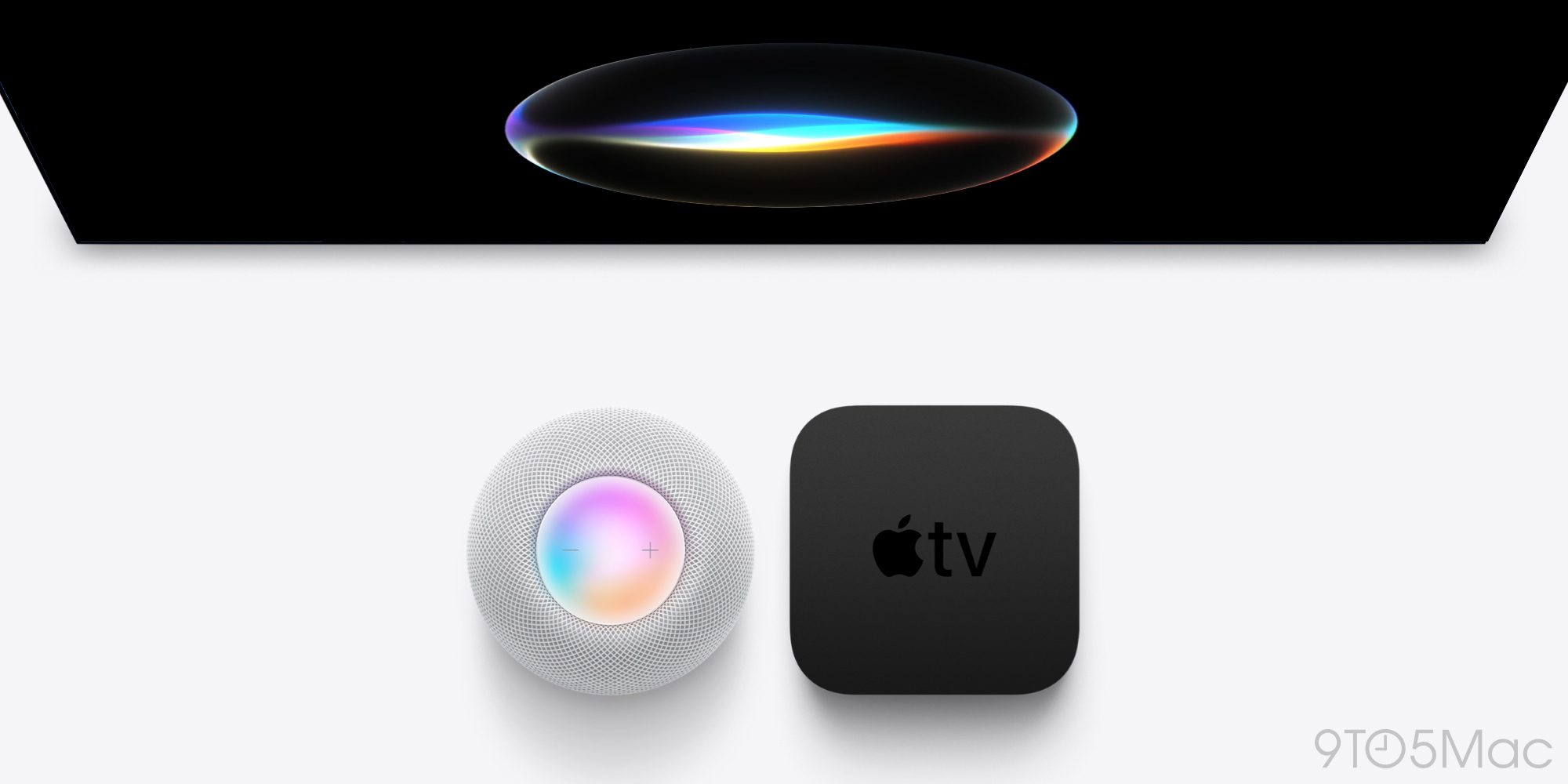
In addition to the internal specifications, there are indications of a tweaked Siri Remote design, potentially aimed at improving ergonomics or integrating find-my capabilities more deeply. Despite these hardware jumps, pricing is expected to remain consistent with Apple’s recent adjustments. The HomePod mini is projected to stay at the $129 price point, while the Apple TV 4K is expected to start at $199, maintaining their positions as the accessible entry points into the Apple home ecosystem.
The Emergence of the Smart Home Hub
While updates to existing products are welcome, the most significant shift in Apple’s strategy involves the introduction of an entirely new category: the dedicated smart home hub. For years, users have used iPads as makeshift wall-mounted controllers, but Apple is now reportedly finalizing a purpose-built device to fill this gap.
This new product, often referred to by insiders as the "HomePad," is expected to debut between October of this year and early 2025. According to development leaks, the device will be offered in two distinct configurations. The first is a minimalist version featuring a 7-inch square display designed to be mounted to walls via a magnetic system. This version would serve as a digital command center for the modern household. The second variant is expected to feature the same display but attached to a high-quality speaker base, positioning it as a direct competitor to the Google Nest Hub and Amazon Echo Show.
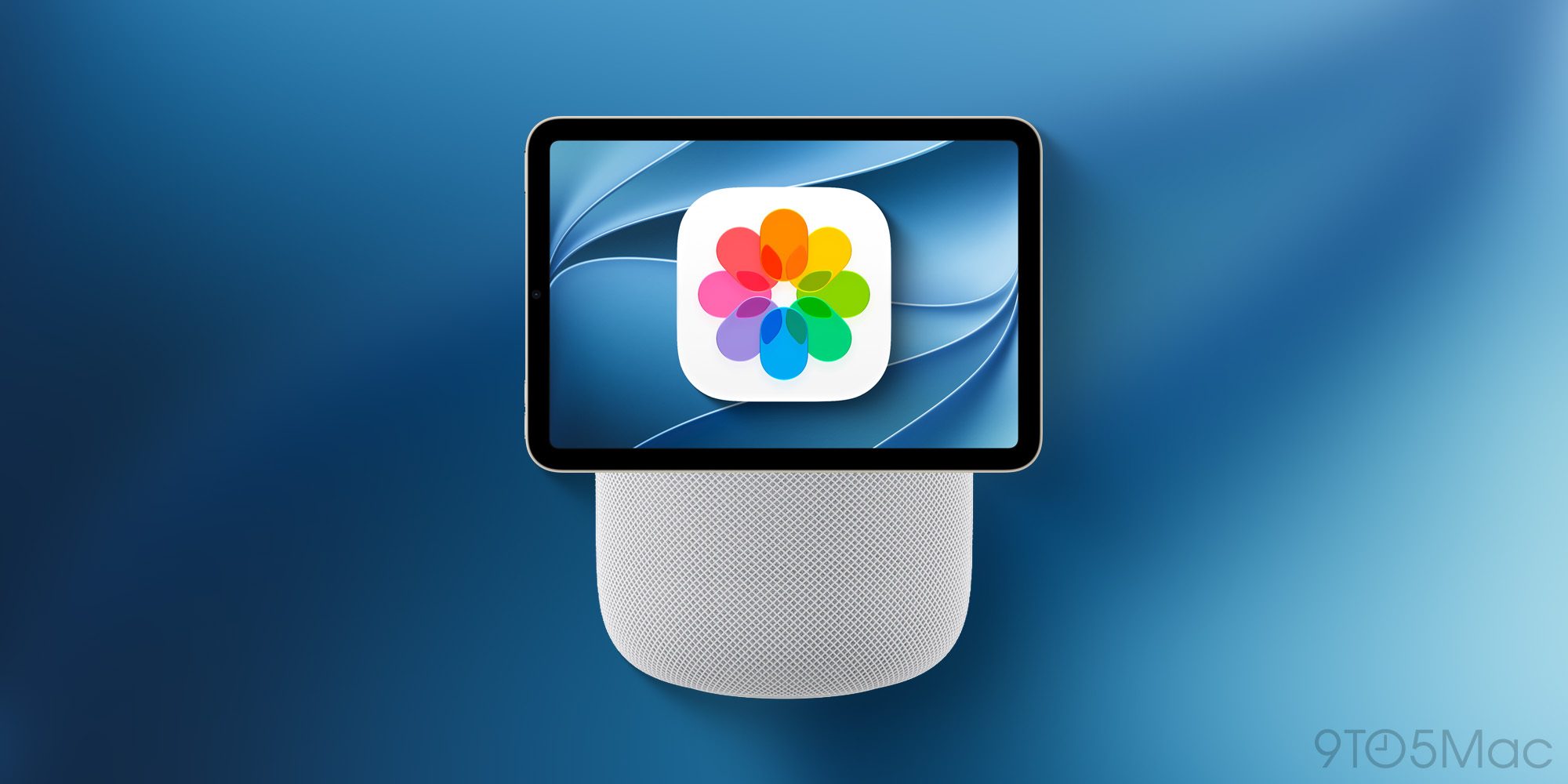
Powering this new category is an entirely new operating system, currently dubbed "homeOS." This software is designed from the ground up to prioritize home-specific tasks. It will feature a tailored interface for managing HomeKit-enabled devices, making FaceTime calls, and interacting with the revamped Siri. To ensure that this hub can handle the full suite of Apple Intelligence features, it is rumored to be powered by the A18 chip, the same silicon expected to lead Apple’s next generation of mobile devices. This would make the HomePad one of the most powerful smart home controllers on the market, capable of complex image recognition and natural language processing right on the kitchen counter or hallway wall.
Furthermore, the full-size HomePod is not being left behind. While the second-generation HomePod was released relatively recently, Bloomberg’s Mark Gurman has reported that a successor is already in development. The primary goal for this update is parity; Apple needs its flagship speaker to possess the same AI-processing power as its smaller siblings and the upcoming smart hub, ensuring a seamless Siri experience regardless of which device is listening.
Expanding the Ecosystem: Security and Robotics
Looking further ahead into late 2026 and 2027, Apple’s ambitions appear to extend beyond control hubs and speakers. For the first time, the company is reportedly planning to enter the smart home accessory market directly, rather than relying solely on third-party manufacturers through the HomeKit framework.
At the top of the list for this expansion are an Apple-branded security camera and a smart doorbell. While Apple currently offers the HomeKit Secure Video platform, which provides encrypted storage for third-party cameras, producing its own hardware would allow for tighter integration. An Apple security camera could leverage the company’s expertise in facial recognition and on-device processing to offer privacy-focused features that are difficult for competitors to replicate. By controlling both the hardware and the software, Apple can offer a "plug-and-play" security experience that fits perfectly within the existing ecosystem of iPhones, Macs, and Apple TVs.
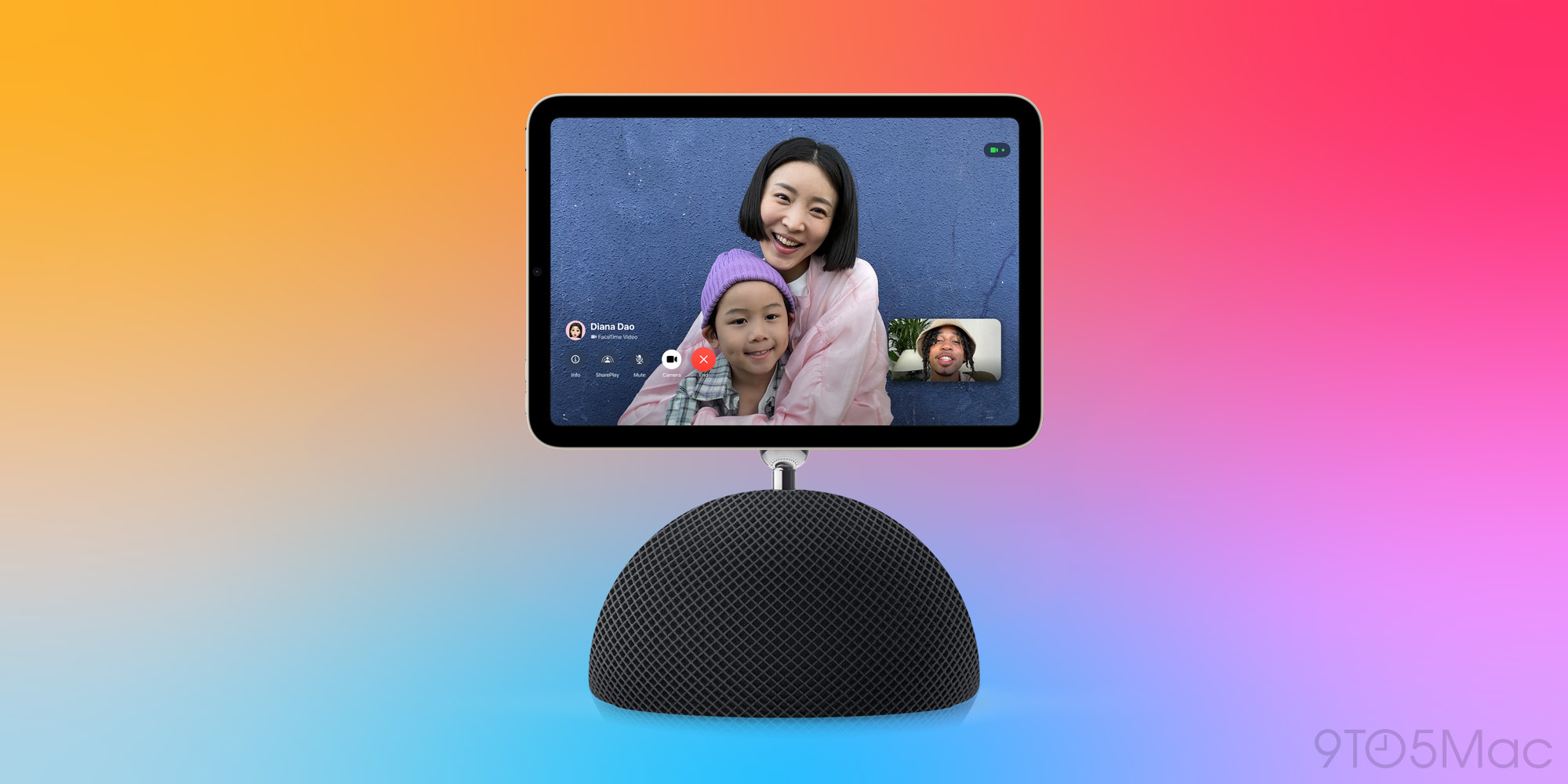
Perhaps the most ambitious project in the pipeline is a high-end version of the smart home hub that ventures into the realm of domestic robotics. This device is described as a tabletop robot, featuring a large 9-inch display mounted on a motorized, robotic arm. This arm would allow the screen to tilt, rotate, and follow a user around a room during a FaceTime call or while they are following a recipe in the kitchen.
This tabletop robot represents a significant pivot for Apple’s hardware engineering teams. Following the reported cancellation of the long-running "Apple Car" project, much of the expertise in sensors, actuators, and autonomous systems has been redirected toward home robotics. The goal is to create a device that feels less like a static computer and more like a proactive assistant that can physically react to its environment. While this product is still several years away, it signals Apple’s long-term commitment to making the home the next great frontier for personal technology.

A Unified Vision for the Home
The common thread across all these upcoming releases is the transition from a reactive home to an intelligent one. For years, the "smart home" has mostly meant being able to turn off a light with a phone or set a timer with a voice command. By bringing Apple Intelligence to the HomePod, Apple TV, and new hub devices, Apple is betting that the real value lies in a home that understands context.
With the A17 Pro, A18, and S9 chips distributed throughout the house, the ecosystem will finally have the local "brains" required to handle complex requests privately. Whether it is a security camera that can distinguish between a family member and a delivery person without sending video to the cloud, or a HomePod that can summarize a day’s worth of notifications, the hardware is finally catching up to the vision.
As the fall release window approaches, the focus remains on how effectively Apple can integrate these new AI capabilities into the daily lives of its users. After years of incremental updates and a relatively quiet home division, the combination of new silicon and Apple Intelligence appears ready to turn the house into the ultimate Apple accessory.
 Smart Home & IoT Solutions
Schlage Announces Launch Date for Sense Pro Smart Deadbolt, Bringing Ultra Wideband Precision to Apple Home Users
The landscape of residential security is undergoing a significant shift as traditional...
 Smart Home & IoT Solutions
Apple Home Ecosystem Evolves as iOS 26 Cycle Sets the Stage for Major Siri Overhaul
The smart home landscape is currently standing at a significant crossroads, positioned...
 Smart Home & IoT Solutions
Apple’s Smart Home Ambitions Expand with LG Partnership and Exclusive ‘Proximity Control’ Features
As the technology industry looks toward Apple’s upcoming "Welcome Home" special event...







