
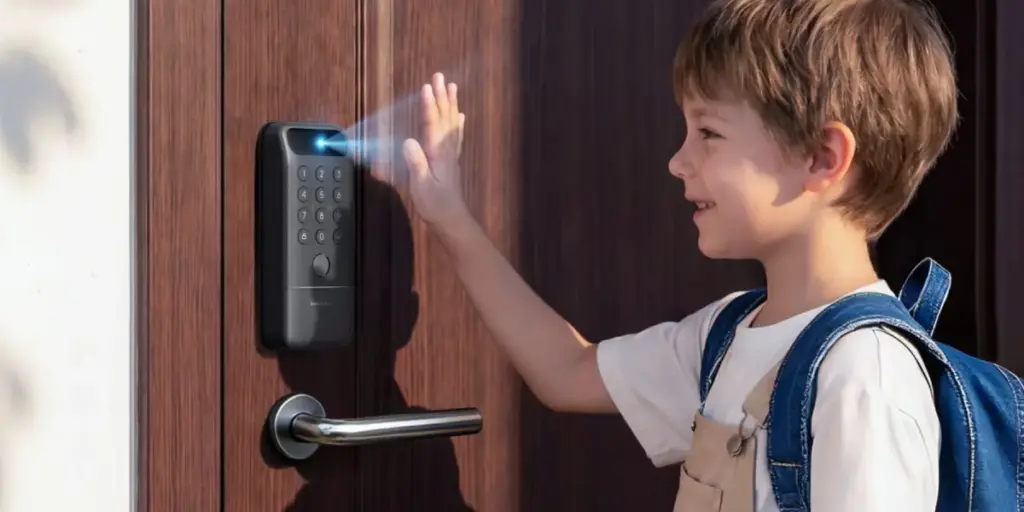
The smart home security market has seen a rapid transformation over the last several years, moving from simple keypad entries to sophisticated biometric systems that integrate deeply with broader home automation frameworks. In a significant move to capture a larger share of this evolving landscape, SwitchBot has officially announced the launch of its latest flagship security products: the SwitchBot Lock Vision and the SwitchBot Lock Vision Pro. These new entries represent a major technological leap for the company, moving beyond simple retrofitting solutions to offer a comprehensive, high-tech security suite that prioritizes both convenience and interoperability.
The headline feature for many potential buyers, particularly those within the Apple ecosystem, is the native support for Matter over Wi-Fi. This inclusion marks a pivotal shift in how SwitchBot devices interact with the Apple Home framework. Historically, many SwitchBot products required a proprietary hub to bridge the gap between the device’s local communication protocol and Apple’s HomeKit. With the Lock Vision series, this barrier has been removed. Users who own an Apple TV or a HomePod can now connect these locks directly to their smart home setup out of the box, simplifying the installation process and reducing the overall hardware footprint required for a functional smart home.
Advanced Biometrics and the Implementation of 3D Facial Recognition
At the heart of the Lock Vision series is a sophisticated biometric suite designed to provide seamless, hands-free entry. The primary innovation found in both models is the 3D facial recognition system. Unlike traditional 2D camera systems that can sometimes be deceived by high-resolution photographs or video screens, the SwitchBot Lock Vision utilizes an array of sensors to project over 20,000 infrared points onto a user’s face. This process creates a precise 3D depth map, ensuring that the person at the door is physically present and matches the stored profile.
SwitchBot has engineered this system for high-speed performance and versatility. The company claims the hardware can recognize and unlock the door in under one second. Furthermore, the 3D mapping technology is designed to be resilient against common changes in a user’s appearance. The system is capable of accurately identifying registered users even if they are wearing hats, glasses, or wigs, or if they have applied heavy makeup. This level of adaptability is crucial for a primary entry point, where environmental factors and personal style changes should not impede access.
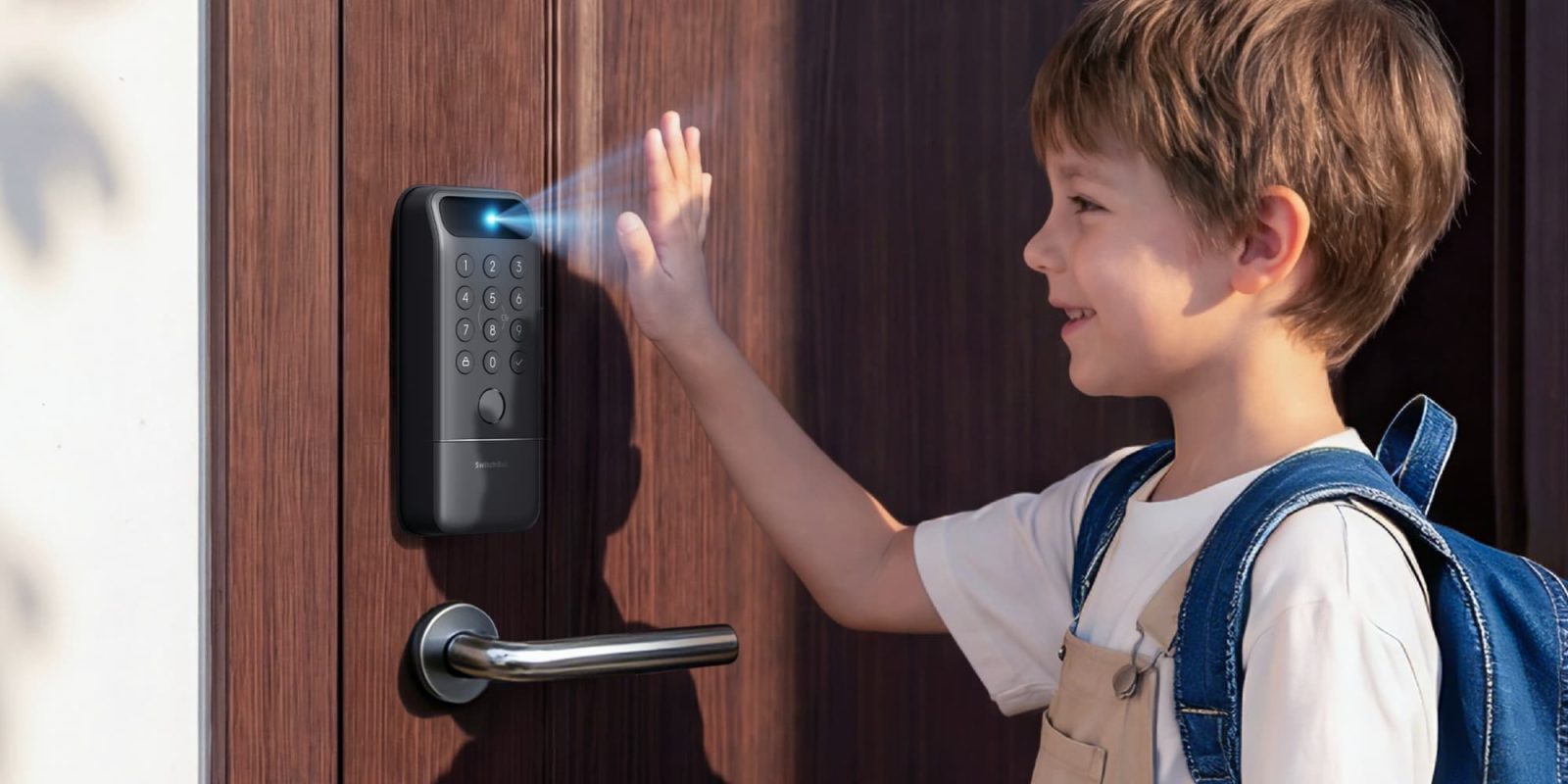
Privacy remains a central concern for consumers regarding facial recognition technology. To address this, SwitchBot has opted for a localized data architecture. All biometric information—including facial maps and fingerprint data—is stored locally on the device itself rather than in the cloud. This data is protected by AES-128 encryption, a standard intended to prevent unauthorized access and ensure that sensitive personal identifiers remain within the physical confines of the home.
For users seeking the absolute maximum in entry flexibility, the Lock Vision Pro model expands upon the standard facial recognition with additional biometric sensors. The Pro version incorporates semiconductor fingerprint recognition, a technology known for its speed and accuracy compared to older optical sensors. Additionally, the Pro model introduces a contactless palm vein scanner. This technology utilizes near-infrared sensing to read the unique vascular patterns beneath the skin of a user’s hand. Because palm vein patterns are internal and highly complex, they are nearly impossible to forge, offering an extra layer of high-security authentication that does not require the user to touch the hardware—a feature that may appeal to those concerned with hygiene or those living in colder climates where gloves might interfere with fingerprint sensors.
Power Management and the Integration of mmWave Radar
Reliability is the most critical metric for any smart lock, and power management is the primary hurdle for wireless security hardware. SwitchBot has addressed this by implementing a dual-power, dual-pack battery system. The primary source of energy is a high-capacity 10,000mAh rechargeable battery pack. Under typical usage conditions, SwitchBot estimates that this main battery can power the lock for up to 12 months on a single charge.
Recognizing that users may occasionally forget to recharge the primary pack, the company has included a secondary power system. A CR123A battery serves as an internal backup, remaining dormant until the primary pack is depleted. This secondary cell is capable of providing up to 500 emergency unlocks, ensuring that residents are not locked out of their homes due to a dead battery. In the unlikely event that both the primary and secondary batteries fail, the exterior hardware features a USB-C port. This allows a user to provide temporary "jump-start" power using a portable power bank, granting enough energy to authenticate and open the door.
To maximize the longevity of these batteries, SwitchBot has integrated mmWave radar technology into the Lock Vision series. Standard motion sensors often suffer from "false positives," triggering the device whenever a car drives by or a pet moves in the yard. The mmWave radar is significantly more precise, allowing the lock to sense when a person is physically approaching the door rather than just passing by. By using this radar to wake the biometric sensors only when necessary, the lock avoids the power drain associated with keeping the facial recognition cameras in a constant state of readiness.
Native Matter over Wi-Fi and Ecosystem Integration
The inclusion of Matter over Wi-Fi is a strategic decision that places the Lock Vision series at the forefront of the modern smart home movement. Matter is the industry-unifying standard designed to ensure that devices from different manufacturers can work together seamlessly across various platforms, including Apple Home, Google Home, Amazon Alexa, and Samsung SmartThings.
For Apple Home users, the "over Wi-Fi" aspect is particularly important. It allows the lock to maintain a stable, high-bandwidth connection to the local network without the latency issues sometimes associated with Bluetooth-only locks. While the lock integrates deeply with the Apple Home app for remote locking, unlocking, and automation, it should be noted that the series currently lacks support for Apple Home Key. Home Key is a specific Apple feature that allows users to tap their iPhone or Apple Watch against a lock to open it via NFC. While the Lock Vision does not support this specific protocol, it compensates with its wide array of other entry methods.
Beyond biometrics and smart home apps, the Lock Vision series offers a comprehensive list of alternative unlocking methods to ensure that every member of a household can find a method that suits them. This includes the use of NFC cards, customizable passcodes, and physical keys for those who prefer traditional methods. The lock also supports geo-fencing features, which can trigger an auto-unlock command as the user’s smartphone approaches the home, further streamlining the entry experience.
Comparing the Lock Vision and Lock Vision Pro
When deciding between the two models, consumers will find that the core technological foundation is identical. Both the standard Lock Vision and the Lock Vision Pro feature the same 10,000mAh battery system, the same mmWave radar for power efficiency, and the same 3D facial recognition hardware. They also share the same Matter over Wi-Fi connectivity and localized encryption standards.
The distinction lies entirely in the variety of biometric inputs. The Pro model is positioned as the ultimate "all-in-one" solution, adding the semiconductor fingerprint sensor and the palm vein scanner to the existing facial recognition suite. For users who want the redundancy of multiple biometric options—perhaps for family members who may have difficulty with facial recognition or for those who want a touch-based backup—the Pro model offers that additional versatility.

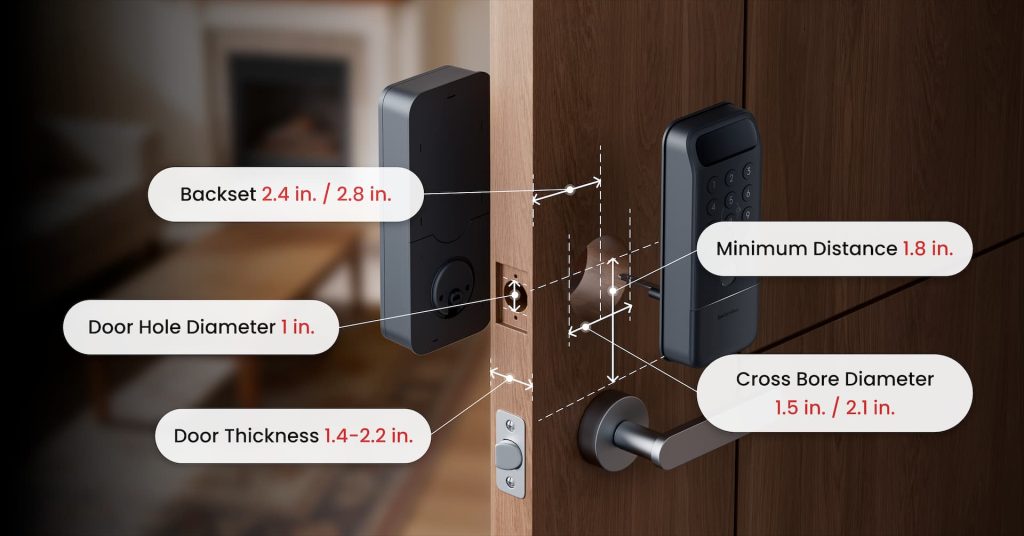
The physical design of both units follows a sleek, modern aesthetic intended to complement a wide range of door styles. The hardware is designed to be robust, standing up to the environmental rigors of exterior placement while maintaining the sophisticated look of a high-end electronics device.
Pricing and Market Availability
The SwitchBot Lock Vision and Lock Vision Pro are entering a competitive market, but their aggressive pricing and feature density make them compelling options for both early adopters and general consumers. The standard SwitchBot Lock Vision is priced at $169.99, positioning it as a highly competitive option for a lock featuring 3D facial recognition and Matter support. The upgraded Lock Vision Pro, with its expanded biometric suite, retails for $229.99.
Both models are officially available starting today through major retailers, including Amazon. As part of the product launch, SwitchBot is offering various deals for early purchasers, reflecting the company’s push to quickly establish the Lock Vision series as a staple in the smart home security category.
By combining the latest in 3D mapping technology with the emerging Matter standard and a thoughtful approach to power redundancy, SwitchBot has created a product line that addresses the primary pain points of the smart lock category: reliability, ease of use, and ecosystem compatibility. While the absence of Apple Home Key may be a point of consideration for some power users, the sheer variety of other high-tech entry methods and the convenience of hub-free Apple Home integration make the Lock Vision series a significant new contender in the home automation space.
 Smart Home & IoT Solutions
Abode Expands Home Security Perimeter with New Apple Home-Compatible Garage and Outdoor Sensors
In the rapidly evolving landscape of do-it-yourself home security, the focus has...
 Smart Home & IoT Solutions
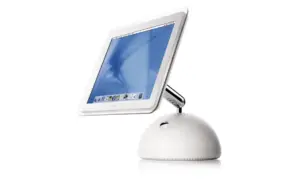
Apple Poised to Enter Smart Home Display Market with Design Inspired by Iconic iMac G4
In a move that signals a significant shift in its hardware strategy,...
 Smart Home & IoT Solutions
Apple Signals Major Smart Home Push with AI-Driven Home App Upgrades and 4K Video Support in iOS 27
As Apple prepares for its highly anticipated "Welcome Home" special event scheduled...







