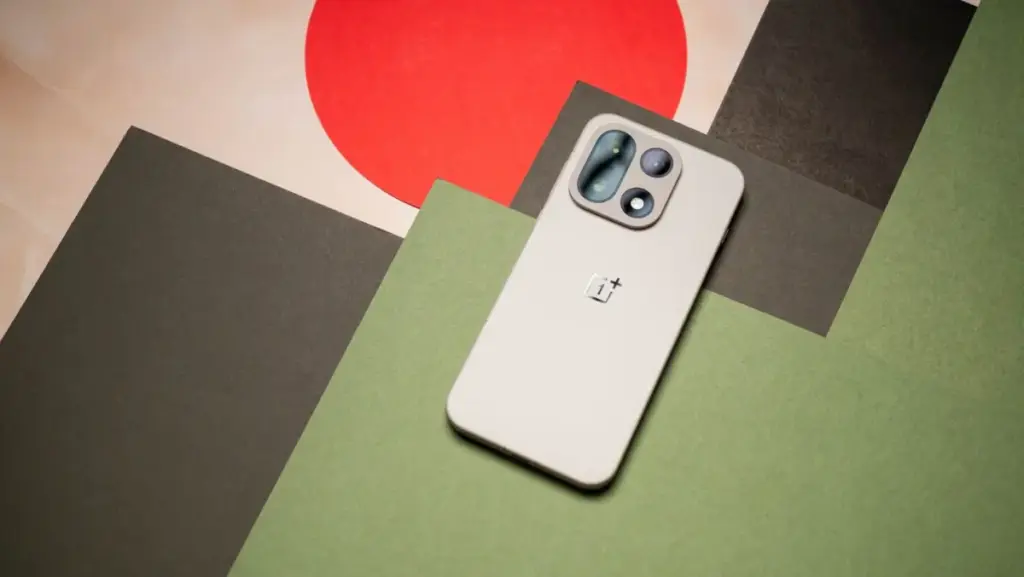
The Quick Settings panel has also seen a significant redesign. Recognizing that modern smartphones feature increasingly large displays, the new layout prioritizes reachability and customization. Users can now reorganize toggles with greater flexibility, and the visual language has been cleaned up to provide better legibility at a glance. This is complemented by an expanded array of customization options for the Always-On Display, lock screen clocks, and system-wide accent colors, allowing for a more personalized user experience.
Beyond the surface-level changes, ColorOS 17 introduces critical under-the-hood optimizations. OnePlus has highlighted improved background process management as a cornerstone of this update. By utilizing more sophisticated AI-driven algorithms, the system can more accurately predict user behavior, keeping frequently used apps in a "warm" state while aggressively suspending power-hungry processes that are not in active use. This is expected to yield tangible improvements in battery efficiency, particularly for the OnePlus 15, which is designed for power users who demand full-day longevity under heavy workloads.
Privacy and security remain central themes in the Android 17 era. ColorOS 17 incorporates updated privacy controls that give users a more granular view of how their data is being accessed. New indicators and a centralized privacy dashboard make it easier to manage microphone, camera, and location permissions, ensuring that transparency is maintained across both first-party and third-party applications.
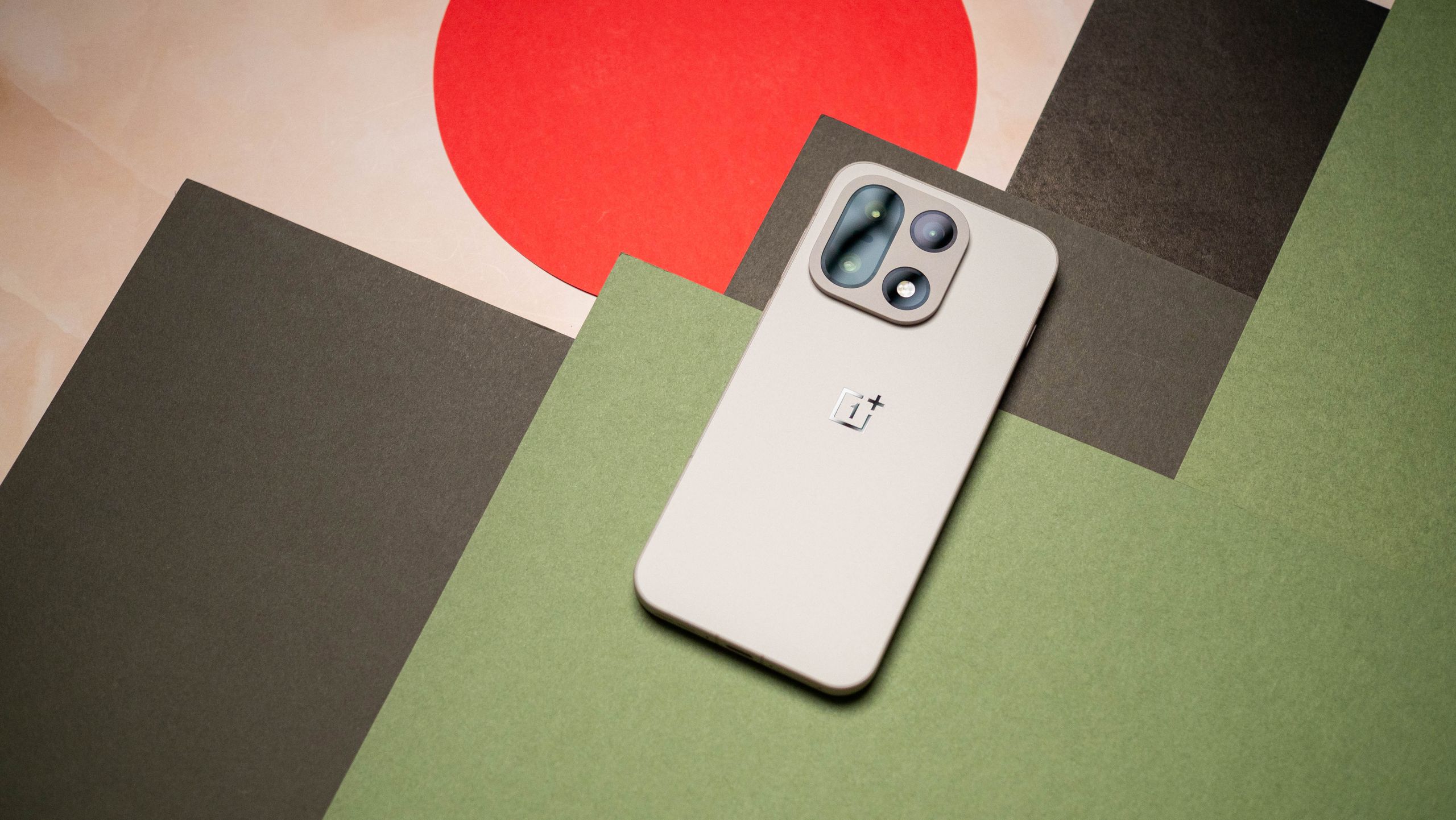
Navigating the Regional Rollout and User Choice
The rollout of ColorOS 17 is currently being managed in phases, a standard practice intended to mitigate the impact of any unforeseen bugs that might have slipped through the beta testing phase. According to an announcement on the OnePlus Community forums, the first group of users receiving the stable build are those who were previously enrolled in the open beta. This "beta-to-stable" path allows the company to monitor the performance of the final build on a controlled group of devices before initiating the wider push to the general public.
In an interesting move to address the concerns of enthusiasts, OnePlus has confirmed that eligible users will have a degree of choice in this transition. While the company is encouraging the move to ColorOS 17, it has acknowledged the loyalty of its OxygenOS user base. Those who choose to upgrade to the new ColorOS 17 environment will reportedly have the option to roll back to OxygenOS if the new experience does not meet their preferences.
However, this rollback process comes with caveats. OnePlus has not yet specified which versions of OxygenOS will be available for those looking to revert, nor has it detailed the long-term support cycle for OxygenOS in markets where the brand is pivoting its strategy. For many users, the "choice" may eventually become a matter of staying on an older, static version of OxygenOS or moving forward with the actively supported ColorOS ecosystem.
 Mobile Device Management (MDM) & Mobile OS
Google Surprises Users with Early Release of Android 17 QPR2, Introducing Granular Customization and Enhanced Privacy
In a move that caught many in the tech industry off guard,...
 Mobile Device Management (MDM) & Mobile OS
Samsung Galaxy Tab A11+ Sees Significant Price Cut as Amazon Offers Mid-Range Tablet for Under $200
Samsung has long maintained a dominant position in the global technology landscape,...
 Mobile Device Management (MDM) & Mobile OS
Google Photos Users Report Crippling App Freezes on Pixel Devices Following Latest AI Update
The Google Pixel ecosystem has long been celebrated for its seamless integration...