
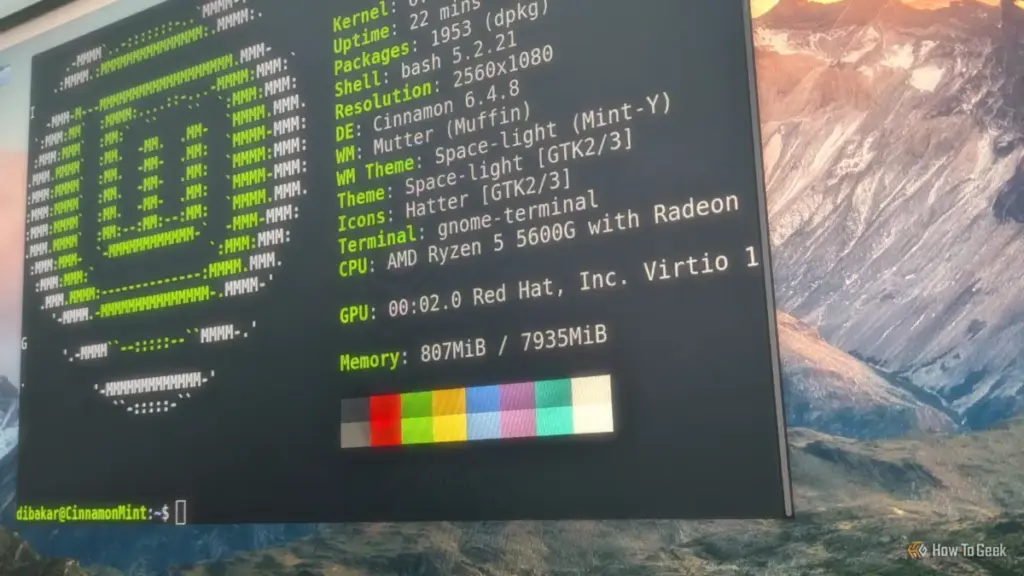
For many veteran technology enthusiasts, the journey through the landscape of Unix-like operating systems is often a long and winding road. For David Delony, a journalist and tech historian whose roots in the ecosystem trace back to the mid-2000s during the transition of Mac OS X, the evolution of Linux has been a constant point of fascination. Having spent the better part of two decades immersed in the structured environments of Ubuntu and the rock-solid stability of Debian, the name "Linux Mint" was always present in the periphery—a derivative known for its user-friendliness, yet one that many seasoned users often overlook in favor of more "hardcore" distributions.
However, a recent deep dive into the latest iteration of Linux Mint has revealed a startling truth: in an era where operating systems are increasingly cluttered with telemetry, forced updates, and radical interface overhauls, Mint’s commitment to being "refreshingly boring" is perhaps its greatest strength. By prioritizing familiarity and ease of use over experimental design, Linux Mint has carved out a unique niche as the most logical destination for those looking to escape the complexities of modern proprietary platforms.
A Departure from the Technical Hurdles of the Past
There was a time in the history of personal computing when installing a Linux distribution was considered a rite of passage—a feat that required a deep understanding of partition tables, X11 configurations, and kernel modules. During the early 2000s, "live" distributions like Knoppix gained legendary status because they allowed users to bypass the often-perilous installation process entirely, running a full operating system from a CD-ROM.

In his recent exploration of Linux Mint, Delony noted how far the industry has come. While the concept of the "live environment" remains a staple—allowing users to test-drive the OS before committing their hardware—the actual installation process has been refined into a frictionless experience. Opting for the Xfce edition, a version of Mint known for its lightweight footprint and efficiency in virtualized environments, the installation proved to be a masterclass in accessible design.
The modern Mint installer manages to strike a difficult balance. It guides the novice through the daunting tasks of disk partitioning and user creation using plain, non-technical language, while simultaneously providing the "hooks" and granular controls that a Linux veteran expects. This "installation without tears" approach ensures that the barrier to entry is no longer a technical one, but merely a matter of choice. As hardware detection has become nearly instantaneous, the days of hunting for obscure drivers just to get a Wi-Fi card or a sound chip working are largely a relic of the past.
The Philosophy of the "Boring" Desktop
One of the most persistent criticisms of the Linux desktop is that it often tries too hard to be different. From the unique workflow of GNOME to the hyper-customizability of KDE Plasma, many distributions demand that the user learn a new way of interacting with their computer. Linux Mint, conversely, leans into the familiar.
Delony describes the Mint experience as "refreshingly boring," a term that serves as high praise in a world of disruptive software updates. For the vast majority of computer users, the operating system is not the destination; it is the vehicle. They want to browse the web, write documents, and manage their media without having to navigate a steep learning curve.
 Tech Tutorials & How-To Guides
The Best Documentaries and Docuseries to Stream: September 2026’s Top Picks
The landscape of streaming television continues to be heavily influenced by the...
 Tech Tutorials & How-To Guides
Smart Solutions for Rising Utility Bills: How Specialized Tech Identifies and Reduces Residential Energy Waste
As global energy markets remain volatile and utility costs continue a steady...
 Tech Tutorials & How-To Guides
Amazon Retires Fire Tablet Brand in Favor of New Alexa Tablet Line with Google Play Support
In a sweeping transformation of its mobile hardware strategy, Amazon has announced...







