
Linux Mint famously offers an "opt-in" for these codecs during the installation process. This "batteries included" philosophy is a significant factor in Mint’s enduring popularity. Even in an age where web-based streaming dominates, the ability to play local media files without a secondary search for obscure plugins is vital. By handling the "messy" side of licensing and proprietary formats on behalf of the user, Mint removes one of the most common points of frustration that leads people to abandon Linux and return to Windows or macOS.
Maintenance Without the Headache
In the current computing climate, "updates" have become a source of anxiety for many users. Windows Update, in particular, has gained a reputation for intrusive reboots and unexpected changes to system settings. Linux Mint offers a counter-narrative through its Update Manager, which provides clear, categorized information about what is being updated and why.
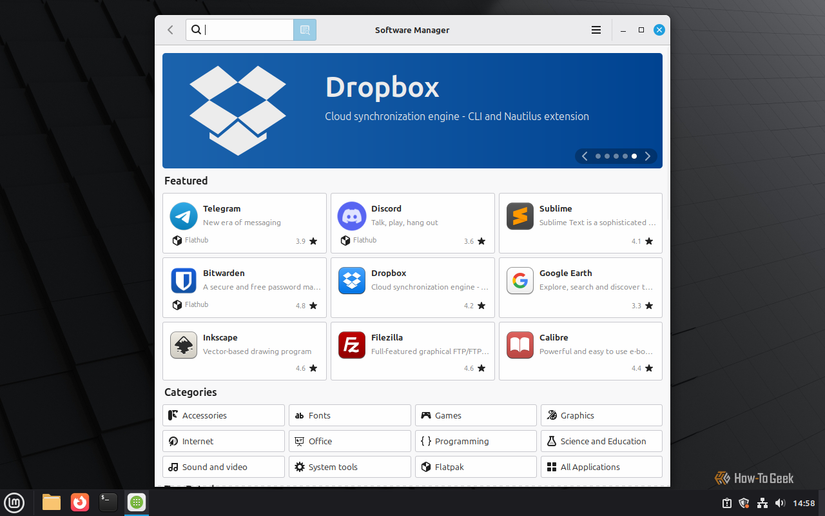
Right from the first boot, the system encourages the user to perform an initial update, ensuring that security patches and the latest driver improvements are in place. Despite the "lightweight" nature of the Xfce desktop, the system is comprehensive. A fresh installation, once fully updated, can occupy upwards of 15GB of disk space. While this might seem significant compared to the tiny Linux distros of yesteryear, it reflects the reality of a modern, feature-complete operating system that includes everything from printing stacks to complex graphics libraries.
The update process in Mint is designed to be non-intrusive. It doesn’t hijack the user’s workflow or force a restart at an inconvenient time. Instead, it empowers the user to maintain their system on their own terms, providing a level of agency that is increasingly rare in the tech world.
A Solid Foundation for the Future
As David Delony concluded his exploration of Linux Mint, the sentiment was clear: this is a distribution that understands its audience. It is not trying to reinvent the wheel or push the boundaries of experimental computing. Instead, it is focused on providing a stable, reliable, and comfortable home for users who simply want their computers to work.
For those considering a move away from the traditional tech giants, Linux Mint serves as a gentle introduction to the world of Linux. It offers a hand-holding experience that is rare in the open-source community, making it perhaps the most pleasant desktop experience available today. Whether for a retrocomputing enthusiast looking for a modern daily driver or a professional writer seeking a distraction-free environment, Mint proves that sometimes, being "boring" is the most innovative thing a piece of software can be.
 Tech Tutorials & How-To Guides
The Fragile Alliance: Why Windows Continues to Disrupt Dual-Boot Linux Environments
For many technology enthusiasts and professionals, the ideal computing environment involves a...
 Tech Tutorials & How-To Guides
Netflix Expands October Streaming Lineup With High-Stakes Sports Dramas and Darkly Humorous Animation
As the autumn chill settles in and the evening air turns crisp,...
 Tech Tutorials & How-To Guides
The Great Big-Box Battle: Evaluating the Power Tool Ecosystems of Ryobi, Craftsman, and Hyper Tough
For the modern homeowner or the burgeoning DIY enthusiast, the walk down...






