
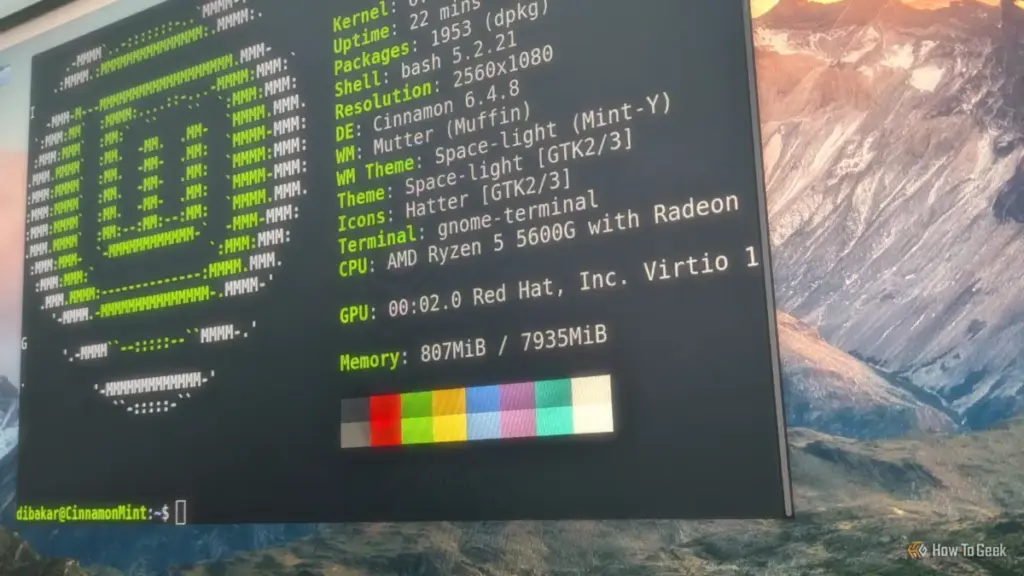

Because Windows remains the dominant force in the desktop market, Linux Mint’s developers have made the pragmatic decision to emulate its most successful UI paradigms. In the Xfce variant, the main panel is positioned at the bottom of the screen, serving as a functional analog to the Windows taskbar. This design choice is not a lack of creativity; it is an exercise in empathy for the user. By providing a "Start"-style menu and a recognizable window management system, Mint allows users to get straight to work. The interface effectively disappears into the background, which is arguably the highest achievement any user interface can reach.
Bridging the Gap with Familiar Applications
The transition from a proprietary ecosystem to an open-source one often falters at the "software wall." New users frequently ask, "Where is my Microsoft Office?" or "Can I run my favorite music app?" Linux Mint addresses these concerns through a Software Center that prioritizes utility over ideological purity.
While the system comes pre-loaded with staples like Firefox for web browsing and LibreOffice for productivity, it is the Software Center’s inclusion of popular proprietary applications that truly sets it apart. In many "pure" Linux circles, the inclusion of closed-source software like Spotify or Steam is a point of contention. However, Mint recognizes that for a desktop to be viable for the average person, it must meet them where they are.
The inclusion of Spotify is a perfect example of this pragmatism. While open-source advocates might prefer users to utilize DRM-free local files and open players, the reality of modern music consumption is rooted in streaming services governed by complex copyright regimes. By making these apps available with a single click, Mint ensures that the user’s transition is not defined by what they’ve lost, but by what they’ve gained in stability and privacy.
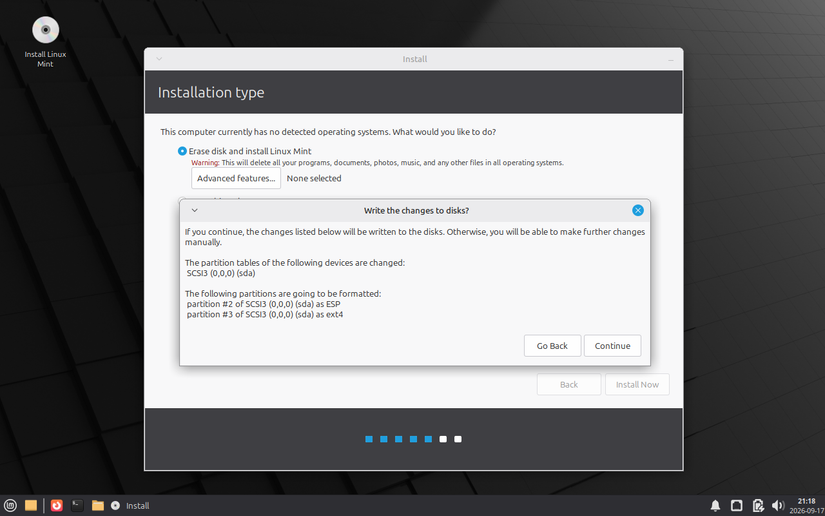
Furthermore, the productivity suite remains a highlight. While LibreOffice is distinct from Microsoft Word, its high level of compatibility remains impressive. Delony recounts his own experience as a freelance writer, submitting documents created in LibreOffice to clients who insisted on .doc formats. The compatibility was so seamless that the clients never realized the files hadn’t originated in a Microsoft environment—a testament to the maturity of the open-source office ecosystem.
The "Batteries Included" Approach to Multimedia
One of the historic pain points for Linux newcomers has been the handling of multimedia codecs. Due to licensing restrictions, many distributions—particularly those following strict Free Software guidelines—ship without the ability to play common video and audio formats like MP3, H.264, or AAC.
 Tech Tutorials & How-To Guides
Amazon Unveils Comprehensive 2026 Kindle Overhaul Featuring First Color Scribe and Thinner Designs
Amazon has officially announced a sweeping transformation of its entire Kindle ecosystem,...
 Tech Tutorials & How-To Guides
Asustor Lockerstor 2 Gen2+ NAS Review: A High-Security Storage Solution for Power Users and Small Businesses
In the rapidly evolving landscape of network-attached storage (NAS), the market is...
 Tech Tutorials & How-To Guides
The Case for the Cathode Ray Tube: Why Your Old Monitor is a Treasure, Not Trash
In an era defined by ultra-thin OLED panels, 4K resolutions, and refresh...






