
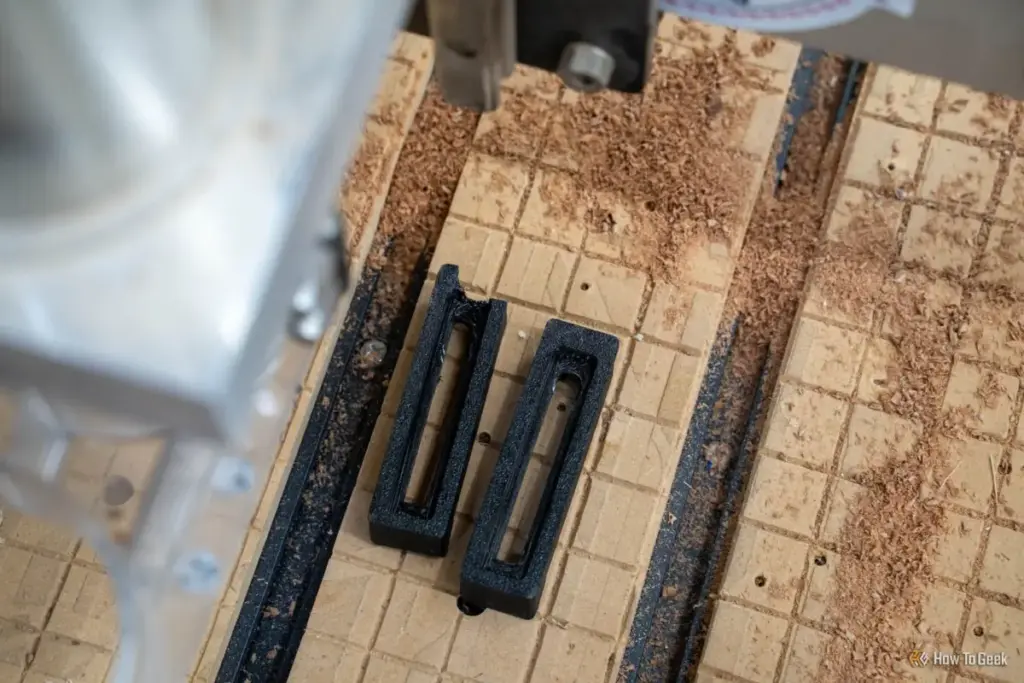
In the modern landscape of additive manufacturing, the primary narrative often revolves around the creation of permanent objects—durable tools, intricate aesthetic models, or long-lasting consumer products. However, for veteran technology journalist and maker Patrick Campanale, the true value of a 3D printer lies not in what it preserves, but in what it allows him to destroy. After more than a decade covering the intersection of gaming, hardware, and small-business manufacturing, Campanale has found that his most essential 3D-printed contribution to his workshop is a simple, sacrificial plastic clamp.
This shift in perspective highlights a growing trend among hobbyists and professional makers alike: the use of 3D printing to create "sacrificial" or "throwaway" components that protect more expensive machinery. In Campanale’s case, the integration of 3D printing into his woodworking and CNC (Computer Numerical Control) machining workflow has solved a persistent and costly problem that has plagued woodworkers for generations.
The Conflict of Precision: Why Metal and CNC Machining Often Clash
To understand the utility of a 3D-printed clamp, one must first understand the delicate and often violent environment of a CNC workshop. CNC machines are high-precision robots that use spinning cutting tools, known as bits or end mills, to carve designs into various materials. While Campanale’s machine is capable of handling metal, his primary passion lies in woodworking—a hobby he has refined alongside a career that began in 2010 within the Palm/webOS ecosystem and evolved through years of high-end custom PC manufacturing.
The challenge in CNC machining is "workholding"—the process of securing a piece of wood so firmly that it does not move under the immense pressure of a bit spinning at 20,000 RPM. Traditionally, this is done using metal clamps or by screwing the workpiece directly into the "spoilboard" (the sacrificial base of the machine). However, these traditional methods carry a significant risk. If there is a mistake in the software code or a slight error in the machine’s "zeroing" process, the spinning bit may collide with the clamp.
When a high-speed carbide or steel bit hits a metal clamp, the result is almost always catastrophic for the tool. The bit, which can cost anywhere from twenty to over a hundred dollars, typically snaps or becomes instantly dull. This not only incurs a direct financial loss but also halts production, requiring the operator to recalibrate the entire machine. For Campanale, who manages a high-output workflow that includes YouTube video production and custom builds, these interruptions were more than just an annoyance; they were a systemic inefficiency.
The Evolution of the Sacrificial Part
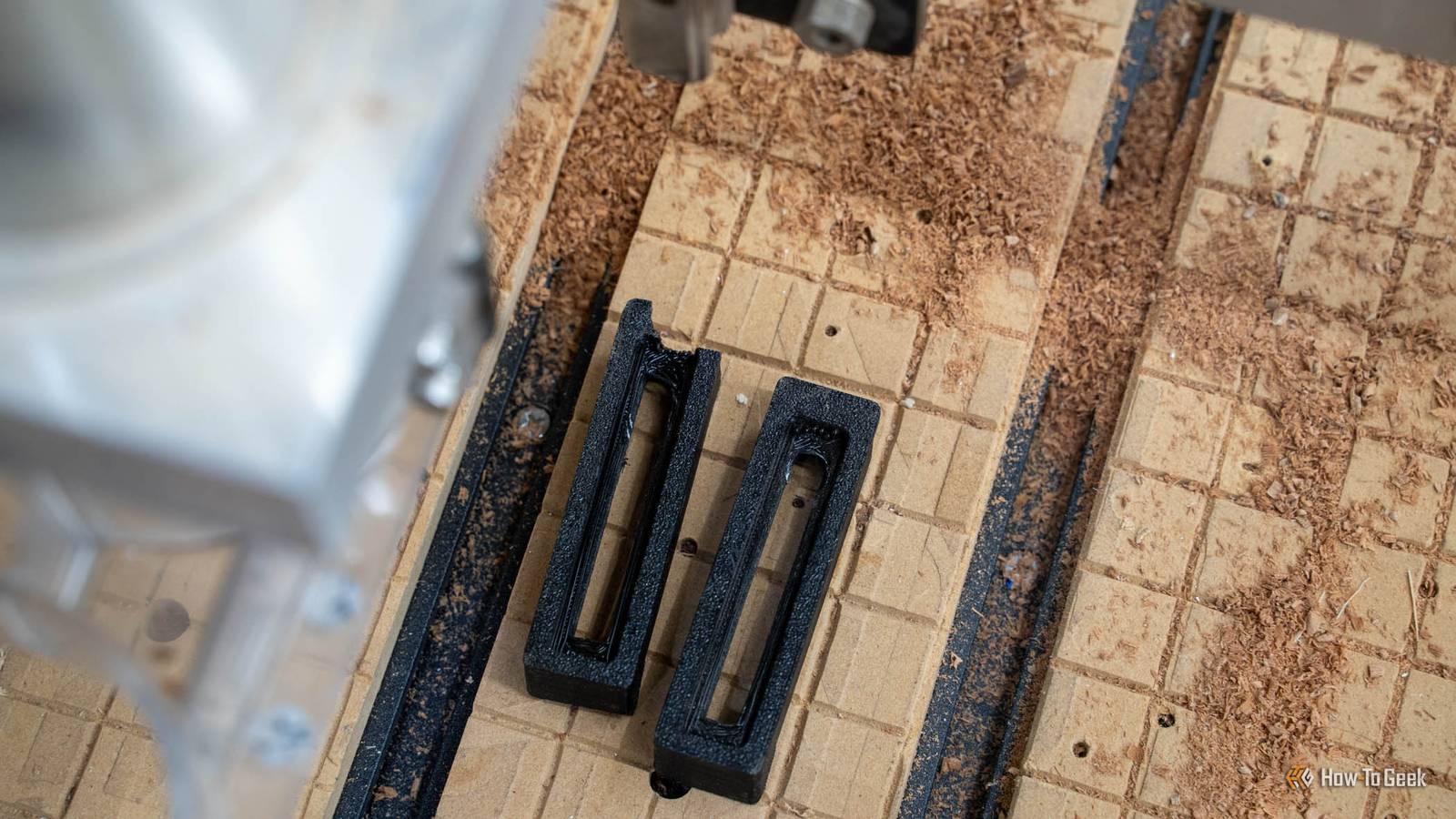
The realization that metal was the enemy of his precision tools led Campanale to explore plastic alternatives years ago. The logic was simple: if a CNC bit strikes a plastic clamp, the bit—being significantly harder than the plastic—will simply cut through the clamp without sustaining damage. The clamp is ruined, but the expensive bit and the machine’s calibration remain intact.
Initially, Campanale relied on commercially available injection-molded plastic clamps. While these served the primary purpose of protecting his end mills, they introduced a new set of logistical and financial hurdles. Despite being "cheap" in a relative sense, the cost of constantly replacing injection-molded parts began to add up. Furthermore, relying on retail availability meant that a particularly bad day in the shop could exhaust his supply of clamps, forcing him to wait for shipping before he could resume work.
 Tech Tutorials & How-To Guides
Streaming Giants and Broadcast Legends: The Top Five Shows to Watch This Weekend
As the final weekend of October 2026 approaches, the digital landscape of...
 Tech Tutorials & How-To Guides
Bridging the Gap: Caldera Music Brings the Premium Plexamp Experience to the Big Screen
For enthusiasts of self-hosted media, the Plex ecosystem has long been the...
 Tech Tutorials & How-To Guides
Weekend Maker Project: Exploring the Potential and Limits of DIY Tracking with the ESP32-C3
In the rapidly evolving landscape of the "maker" movement, the accessibility of...







