
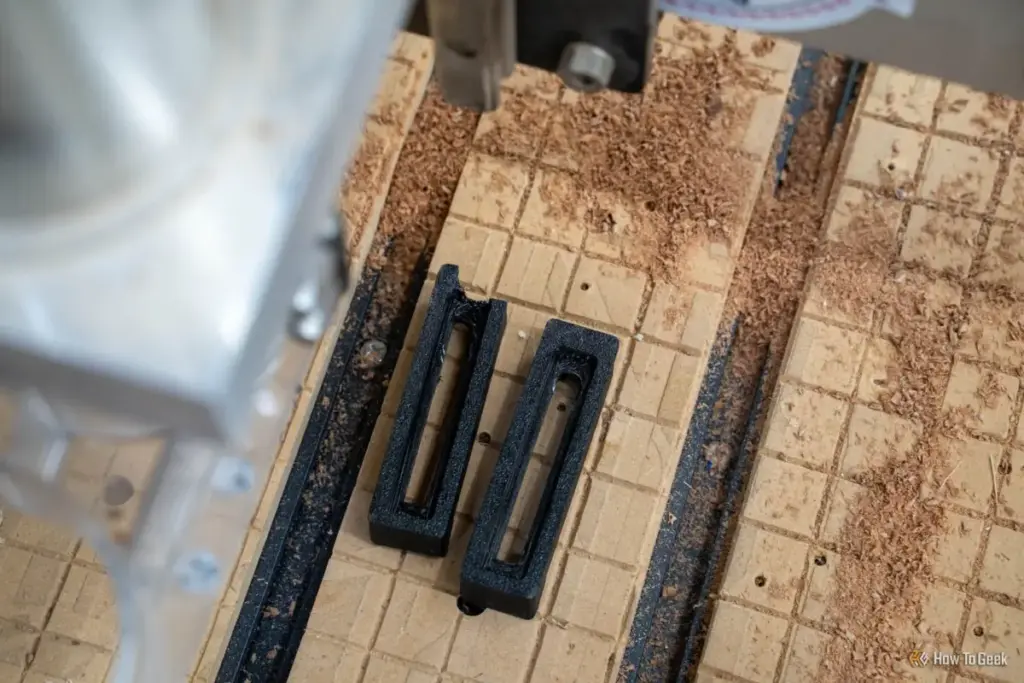
"I’m no longer limited by what’s available on Amazon," Campanale said. This autonomy allows him to experiment with different workholding philosophies. If a project requires a unique edge-clamp or a specialized hold-down for an irregular shape, he can design it in CAD (Computer-Aided Design) software and have a physical prototype ready for testing within the hour. If the design fails or is uncomfortable to use, the loss is inconsequential—just a few cents of extruded plastic.
This iterative freedom is a hallmark of the "Maker Movement," where the barrier between an idea and a functional tool has been almost entirely eroded. For Campanale, the 3D printer has evolved from a device used to create "toys and gadgets" into a critical piece of industrial infrastructure that supports his larger woodworking projects.
A Holistic Approach to the Modern Workshop
The story of the sacrificial CNC clamp is a microcosm of Patrick Campanale’s broader philosophy regarding technology and craftsmanship. With a background that spans from the early days of mobile app development to high-end PC overclocking, he views tools not as isolated objects but as part of an integrated ecosystem.
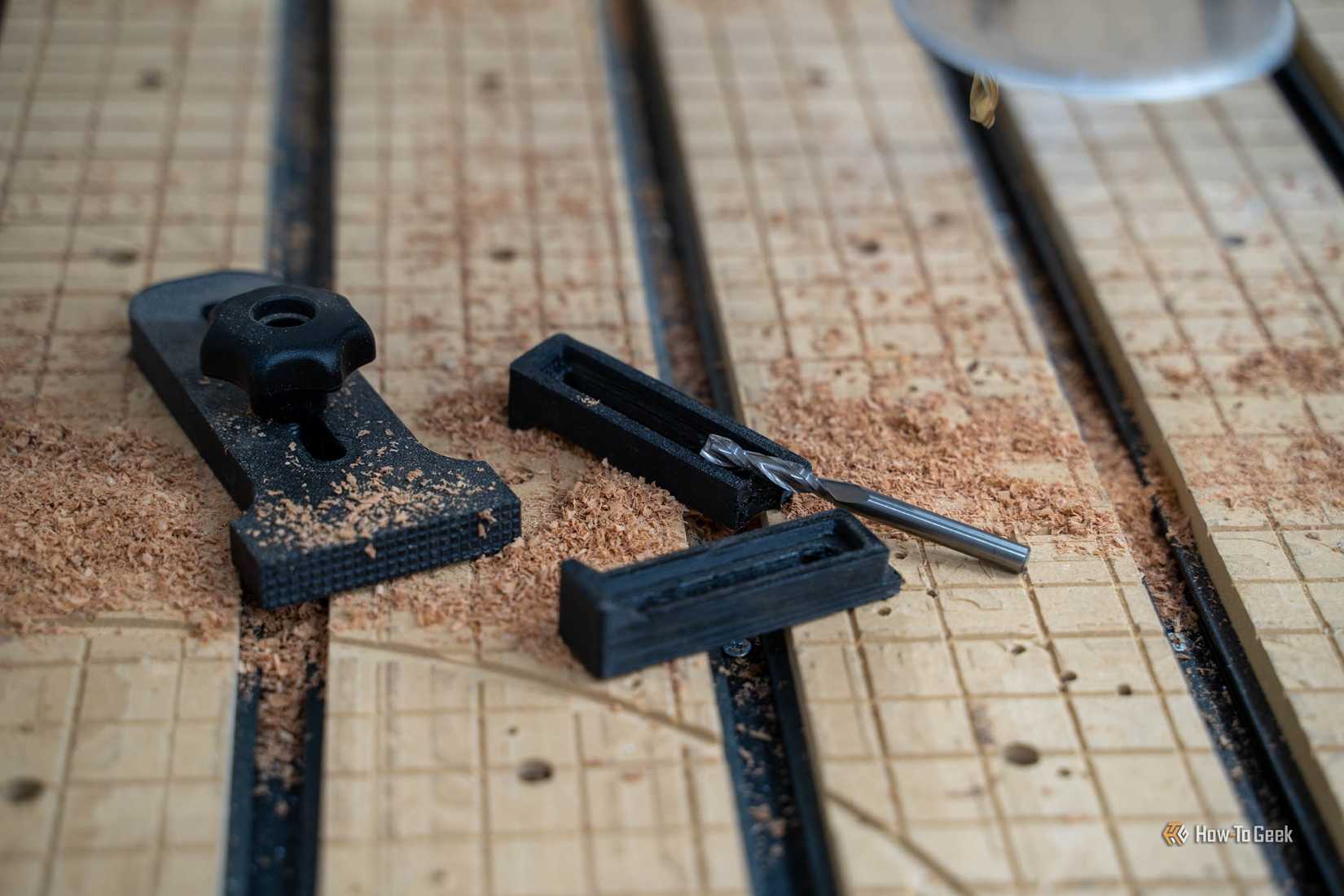
In his workshop, robots assist in the creation of organic wooden projects. CNCs and lasers provide the precision, while the 3D printer provides the support structures that make that precision possible. It is a synergy that reflects his decade-plus journey through the tech space—a journey that began with the Palm/webOS ecosystem and has led to the publication of over 14,000 articles on the latest technological advancements.
Ultimately, the most "useful" 3D print in Campanale’s arsenal is a testament to the practical side of innovation. It isn’t a complex mechanism or a flashy display piece; it is a simple, humble block of plastic that exists solely to be destroyed. By embracing the "sacrificial" nature of 3D printing, he has created a more resilient, cost-effective, and creative environment for his craft.
As 3D printing technology continues to become more accessible and materials become more specialized, the trend of printing functional, disposable shop aids is likely to grow. For makers like Campanale, the true power of the technology is found in the ability to fail cheaply, iterate quickly, and keep the more expensive "bits" of life spinning without interruption.
 Tech Tutorials & How-To Guides
Haiku OS R1/Beta 6: A Compelling Case for Breathing New Life into Aging Hardware
For years, the standard recommendation for any computer deemed too slow for...
 Tech Tutorials & How-To Guides
Garmin’s vívoactive 5 Hits Record Low Price in Significant Amazon Discount Event
In a move that signals aggressive pricing within the wearable technology sector,...
 Tech Tutorials & How-To Guides
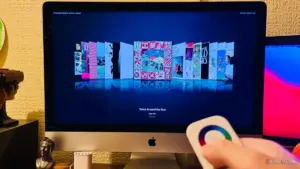
The DIY iPod: How a Forgotten Smart Home Remote Resurrected Apple’s Iconic Cover Flow
In the annals of personal technology, few interfaces have evoked as much...







