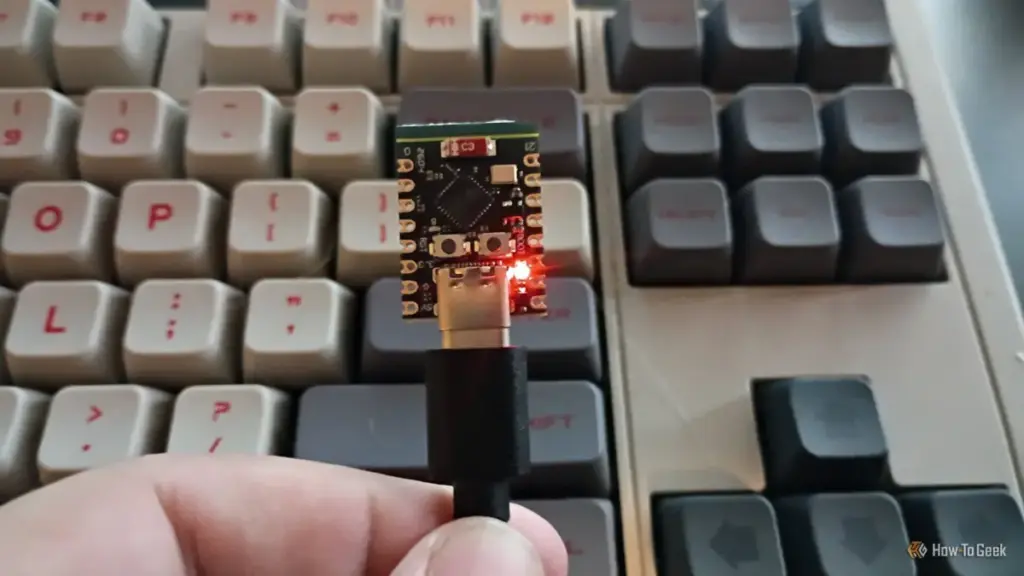
In the rapidly evolving landscape of the "maker" movement, the accessibility of powerful, low-cost microcontrollers has turned complex engineering concepts into feasible weekend projects for hobbyists and home lab enthusiasts. One such project recently undertaken by researcher and musician David Buck highlights the intersection of hardware experimentation and the practical challenges of modern tracking technology. By utilizing the versatile ESP32-C3 Supermini development board, Buck set out to determine whether a custom-built Bluetooth Low Energy (BLE) beacon could serve as a functional alternative to commercial tracking devices like the Apple AirTag or Tile.
The experiment serves as a window into the world of micro-electronics, where the barrier to entry is lower than ever, yet the nuances of firmware, signal strength, and network ecosystems remain significant hurdles. For Buck, a veteran of the media industry and a dedicated researcher of "offbeat" tech, the project was less about replacing a consumer product and more about deconstructing the mechanics of how we keep tabs on our physical world.
The Foundation of the Project: Choosing the Right Hardware
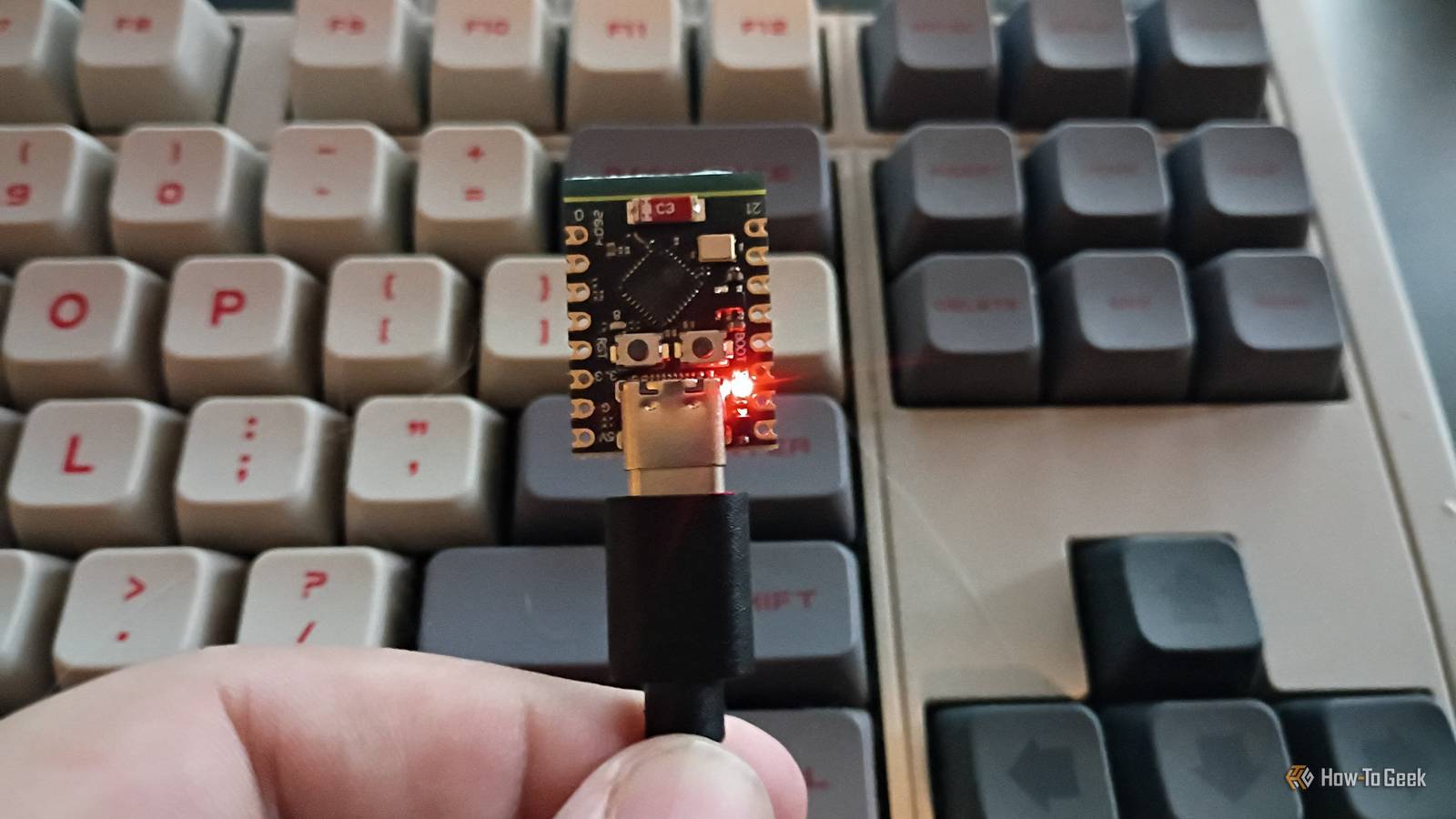
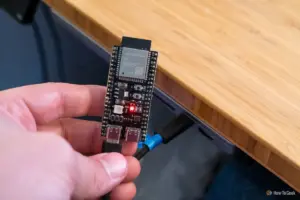
Every successful hardware project begins with a clear inventory of components. For this specific experiment, the choice of the ESP32-C3 Supermini was deliberate. The ESP32 family, developed by Espressif Systems, has become a staple in the Internet of Things (IoT) community due to its integrated Wi-Fi and Bluetooth capabilities, low power consumption, and extremely small form factor. The "Supermini" variant is particularly well-suited for a tracking tag project, as it is barely larger than a postage stamp, making it easy to conceal or attach to various objects.
Buck noted that while software is often readily available through open-source repositories, the physical hardware is the true gatekeeper of a project. "Whenever you begin a ‘maker’ type of project, you should always make sure you have the hardware you need," he observed. "Software is usually pretty easy to access, but not having the chips or boards you need can stop a project dead in its tracks."
Alongside the ESP32 boards, the project required a central hub for monitoring—in this case, a dedicated Android device. Buck utilized a "de-bloated" Motorola Moto G 2025, a choice that reflects a growing trend among tech enthusiasts to strip mobile devices of unnecessary manufacturer software to maximize performance and privacy. This combination of a minimalist Android interface and a tiny, powerful microcontroller provided the perfect sandbox for testing Bluetooth beacon technology.
Navigating the Nuances of Firmware and Bootloaders
The transition from a raw piece of hardware to a functional tracking tag requires the installation of specific firmware. The goal was to program the ESP32 to function as a BLE beacon—a device that constantly broadcasts a signal that can be picked up by a smartphone. While there are several ways to approach this, including browser-based web flashers, Buck opted for a more hands-on method using the Arduino Integrated Development Environment (IDE).
The process of preparing the board for programming is a delicate one, often involving physical manipulation of the hardware that requires a steady hand. On the ESP32-C3 Supermini, this involves engaging a "boot" button to put the device into hardware bootloader mode. "There’s a teeny, tiny boot button on the board," Buck described. "I didn’t have to use a magnifying glass to find the right one, but it’s pretty small."

The sequence of operations is specific: holding the boot button while connecting the device via USB, then tapping the reset (RST) button to ensure the computer recognizes the device. This manual interaction with the hardware is a hallmark of the maker experience, bridging the gap between digital code and physical circuitry. Once the board was successfully recognized by his Linux-based system, the next challenge lay in the syntax of the code itself.
 Tech Tutorials & How-To Guides
Paramount+ Thriller Spotlight: From Gritty Action Franchises to Luc Besson’s Reimagined Dracula
As the calendar turns deeper into October, the shift in atmosphere is...
 Tech Tutorials & How-To Guides
The Raspberry Pi Returns to Its Maker Roots: Three Innovative Hardware Projects for the Modern Tinkerer
As the technology landscape continues to evolve in 2026, the role of...
 Tech Tutorials & How-To Guides
The Intelligent Workshop: How DIY Enthusiasts Are Using ESP32 Microcontrollers to Revolutionize Traditional Power Tools
For decades, the evolution of power tools followed a predictable trajectory: they...