
Overcoming Technical Hurdles through Collaboration
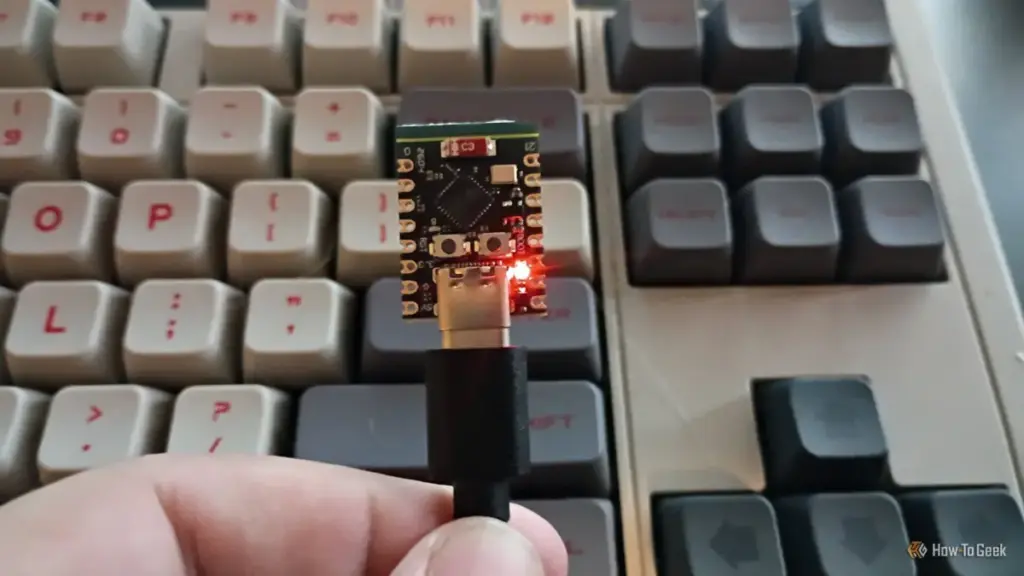
Even for experienced hobbyists, the path to a working prototype is rarely linear. Buck initially encountered difficulties when attempting to write the custom firmware. Programming a BLE beacon involves precise syntax to ensure the Bluetooth radio broadcasts the correct identification packets. When his initial script threw errors, Buck reached out to the wider tech community for assistance.
This collaborative aspect is a core component of the home lab culture. A friend assisted in fine-tuning the script, identifying syntax errors that were preventing the code from compiling. After correcting these issues and ensuring his user profile was added to the Linux "dialout" group—a necessary step for a computer to communicate with external serial devices—the script was successfully flashed to the ESP32.
The board was now no longer just a chip; it was a beacon, broadcasting its presence to the world under a custom name: "MauvePorpoise." This naming convention, while whimsical, serves a practical purpose in identifying specific devices within a crowded radio frequency environment.
Real-World Testing: Measuring Signal and Range
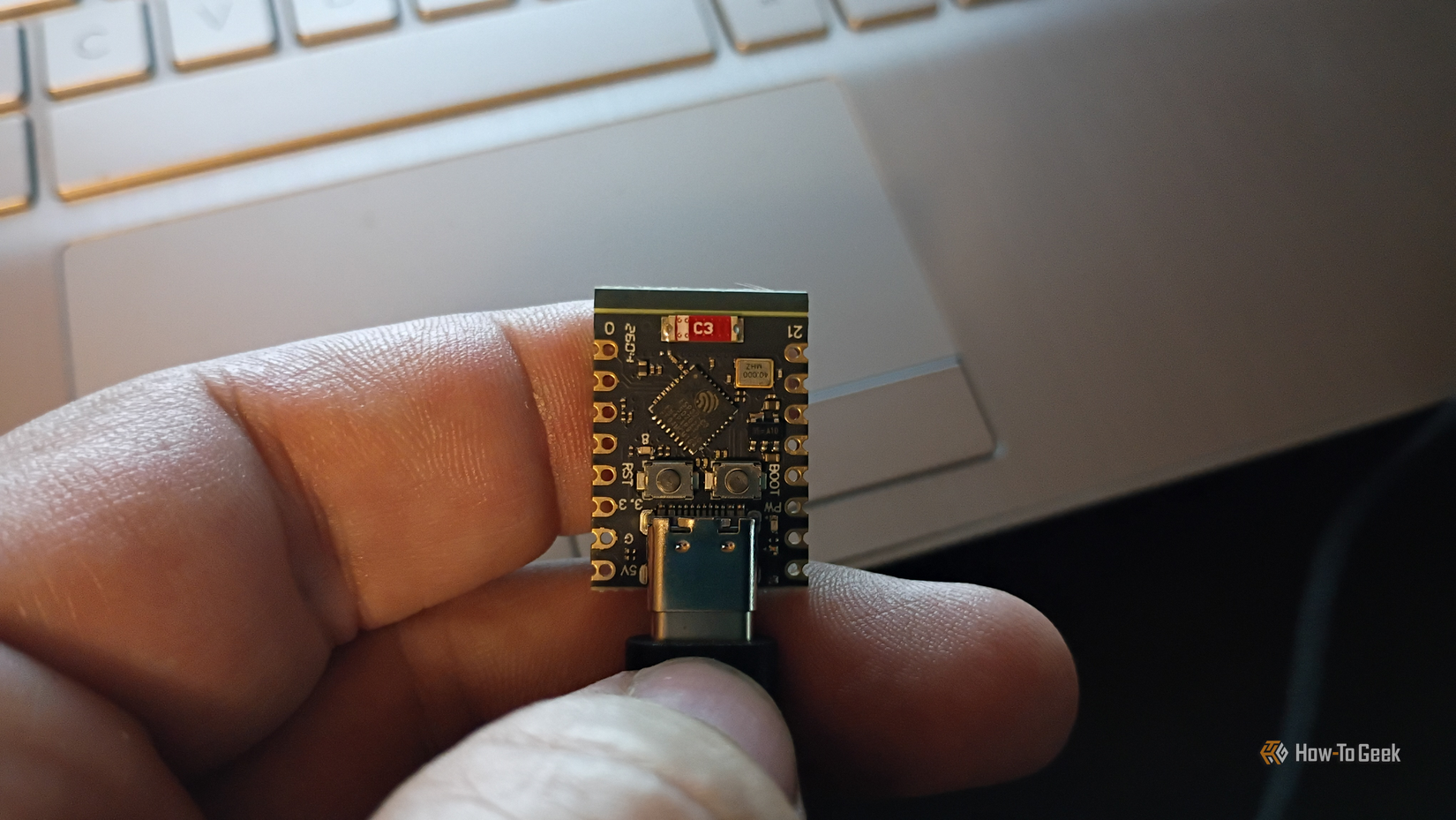
With the "MauvePorpoise" tag active, the focus shifted to the "tracking" phase of the experiment. To monitor the signal, Buck used nRF Connect for Mobile, a powerful tool developed by Nordic Semiconductor that allows users to scan for BLE devices and analyze their signal strength, measured in decibel-milliwatts (dBm).
It is important to distinguish this type of tracking from the sophisticated GPS-based systems found in smartphones or the global mesh networks used by Apple. This DIY tag functions on proximity. It does not "know" where it is in the world; it only knows how far it is from the receiver based on the strength of its signal.
During testing, Buck observed the fluctuations in dBm as the tag moved through his home. "It started at -67 dBm when it was right next to me," he noted. Interestingly, the signal actually appeared to strengthen momentarily as he moved through the house—a common phenomenon caused by radio waves reflecting off walls and surfaces, known as multi-path interference.
To test the true limits of the Supermini’s internal antenna, Buck conducted a range test outdoors. Powered by a portable power pack, the tag was carried into the garage and across the yard while the signal was monitored from his home lab. The connection eventually dropped out at approximately -90 to -98 dBm. Buck estimated the effective range to be about 40 feet.
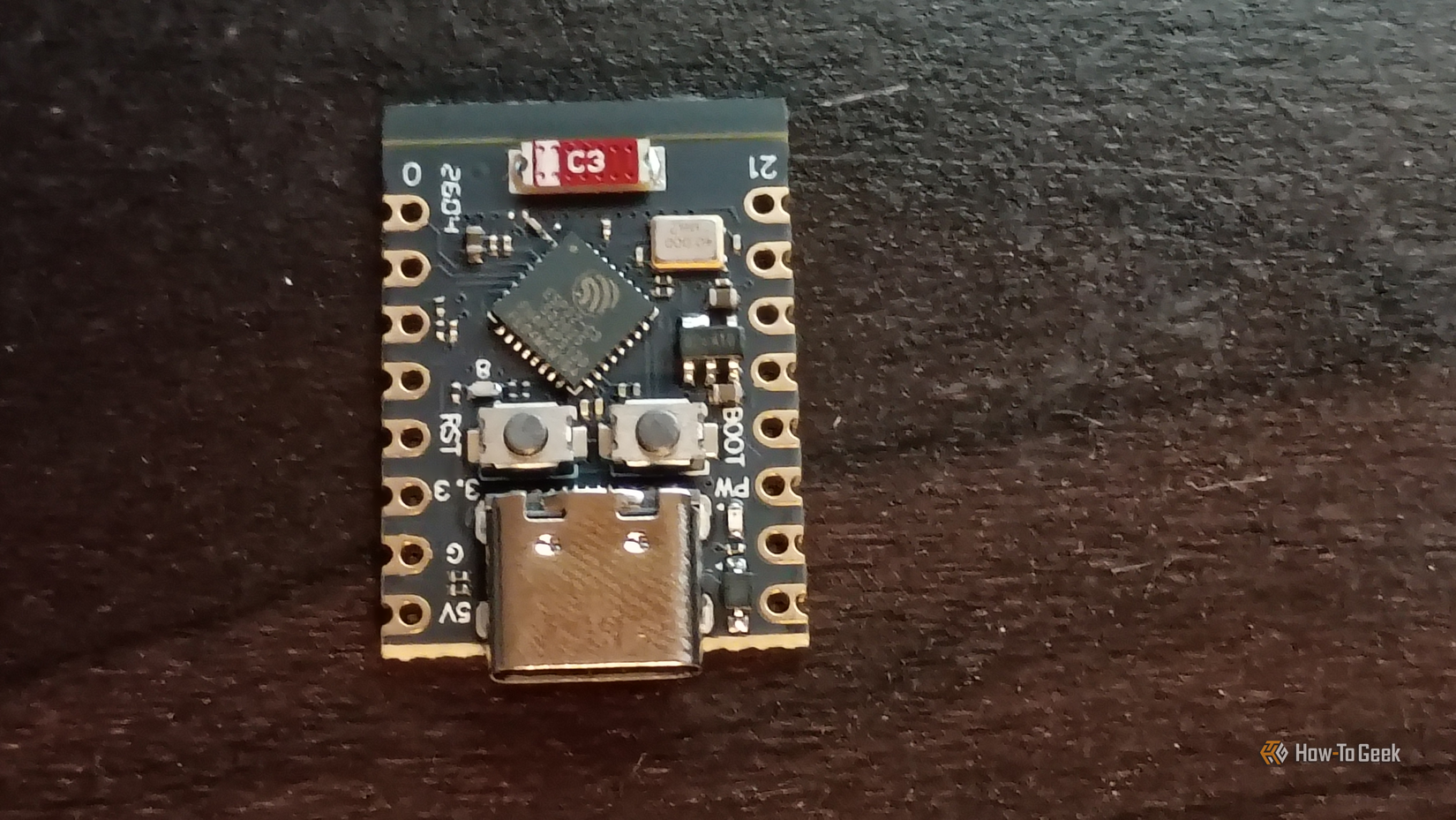
"That’s pretty close to the range of a standard AirTag," he observed. "Not bad for a tiny board with a built-in antenna."
 Tech Tutorials & How-To Guides
Essential Roadside Resilience: Why Modern Drivers are Turning to Portable Battery-Powered Solutions
The modern driving experience is often defined by a sense of seamless...
 Tech Tutorials & How-To Guides
Microsoft Security Reports Highlight Growing Need for Advanced Windows 11 Protection Measures
The landscape of digital security is undergoing a fundamental shift as cybercriminals...
 Tech Tutorials & How-To Guides
Haiku OS R1/Beta 6: A Compelling Case for Breathing New Life into Aging Hardware
For years, the standard recommendation for any computer deemed too slow for...







