
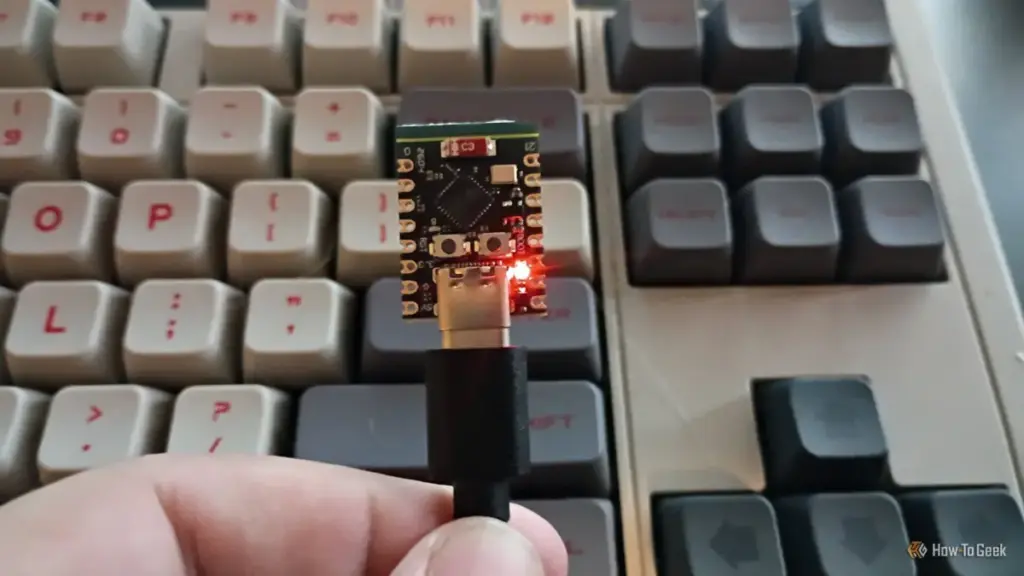
In the rapidly evolving landscape of the "maker" movement, the accessibility of powerful, low-cost microcontrollers has turned complex engineering concepts into feasible weekend projects for hobbyists and home lab enthusiasts. One such project recently undertaken by researcher and musician David Buck highlights the intersection of hardware experimentation and the practical challenges of modern tracking technology. By utilizing the versatile ESP32-C3 Supermini development board, Buck set out to determine whether a custom-built Bluetooth Low Energy (BLE) beacon could serve as a functional alternative to commercial tracking devices like the Apple AirTag or Tile.
The experiment serves as a window into the world of micro-electronics, where the barrier to entry is lower than ever, yet the nuances of firmware, signal strength, and network ecosystems remain significant hurdles. For Buck, a veteran of the media industry and a dedicated researcher of "offbeat" tech, the project was less about replacing a consumer product and more about deconstructing the mechanics of how we keep tabs on our physical world.
The Foundation of the Project: Choosing the Right Hardware
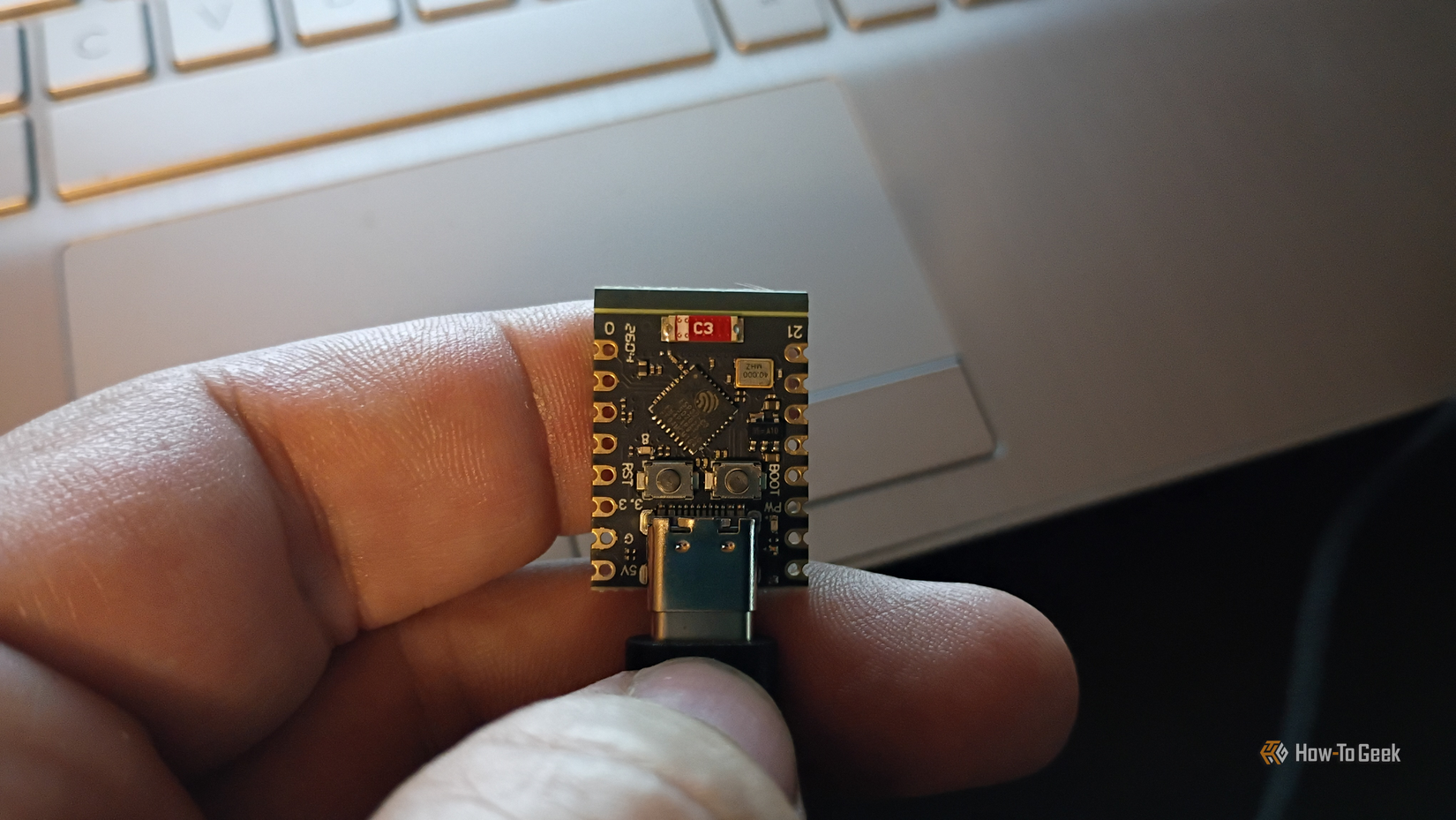
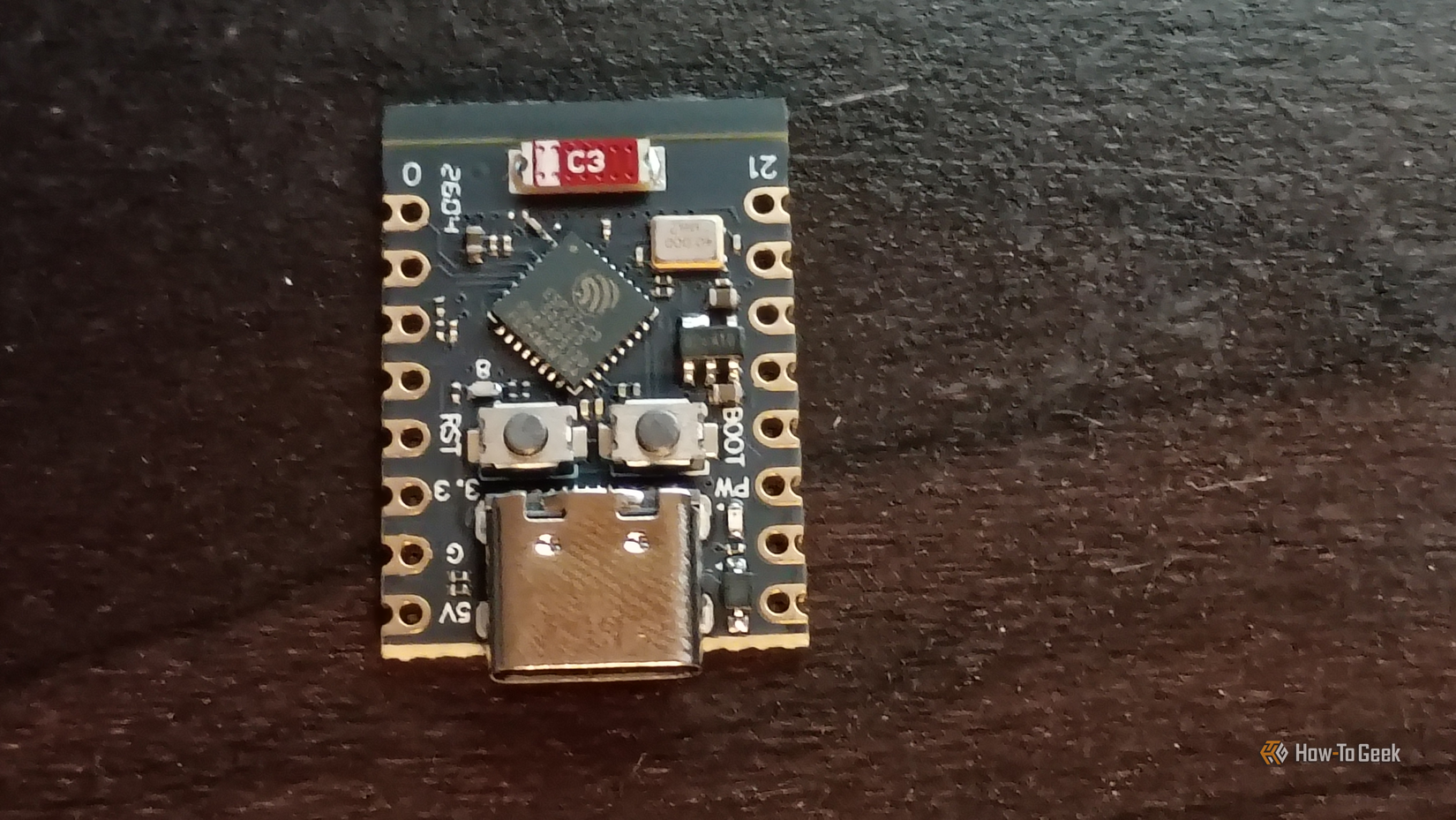
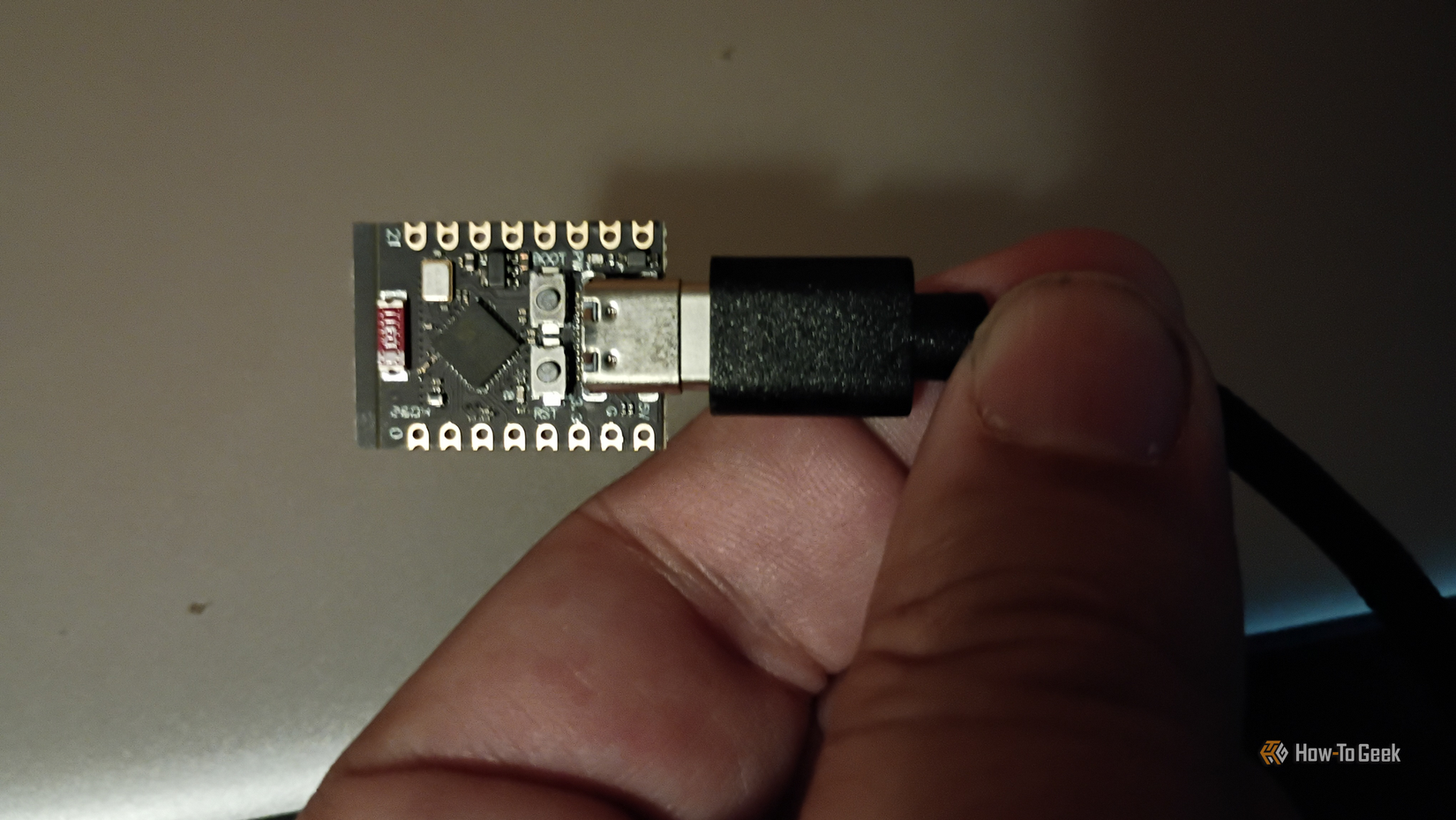
Every successful hardware project begins with a clear inventory of components. For this specific experiment, the choice of the ESP32-C3 Supermini was deliberate. The ESP32 family, developed by Espressif Systems, has become a staple in the Internet of Things (IoT) community due to its integrated Wi-Fi and Bluetooth capabilities, low power consumption, and extremely small form factor. The "Supermini" variant is particularly well-suited for a tracking tag project, as it is barely larger than a postage stamp, making it easy to conceal or attach to various objects.
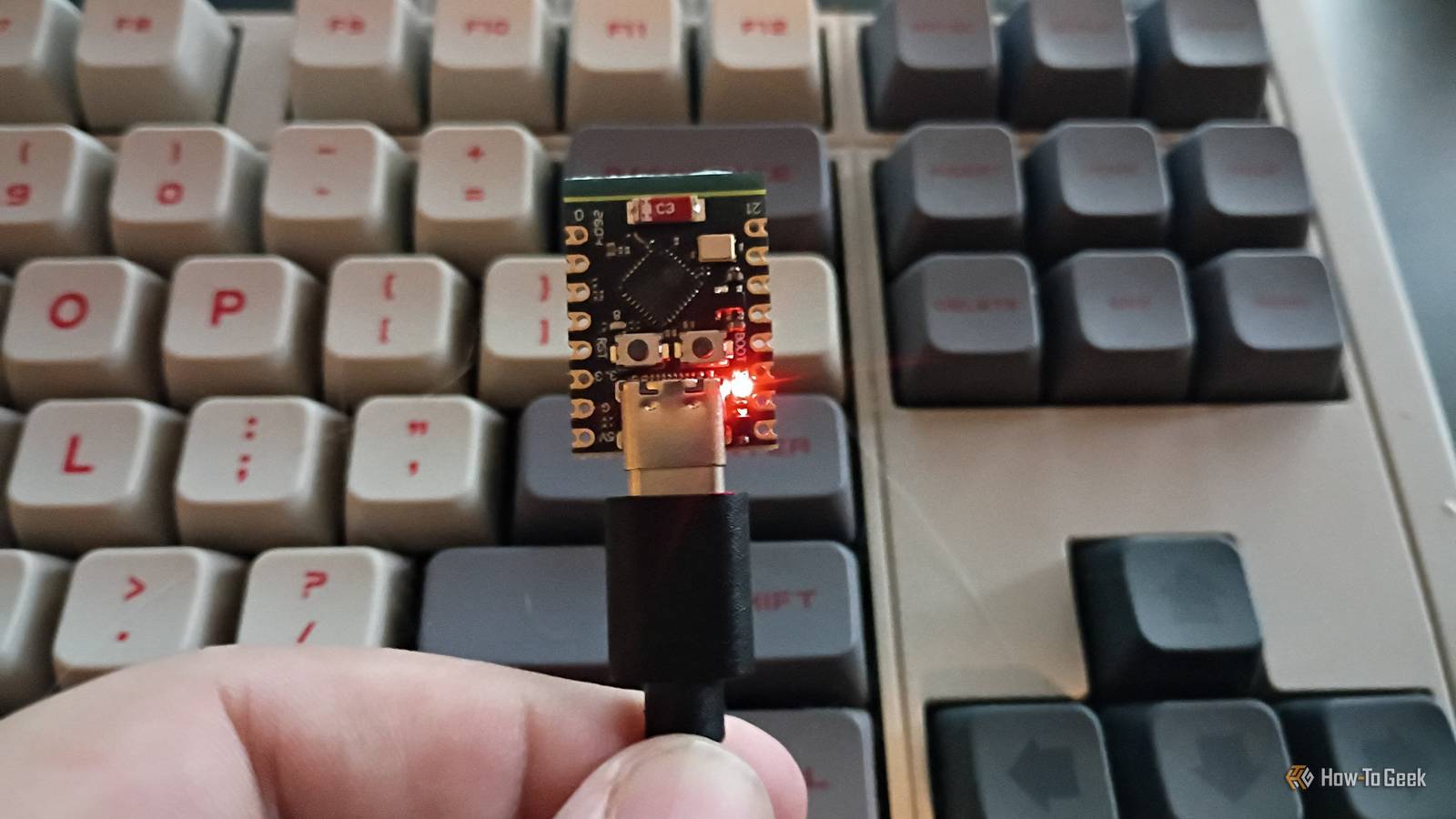
Buck noted that while software is often readily available through open-source repositories, the physical hardware is the true gatekeeper of a project. "Whenever you begin a ‘maker’ type of project, you should always make sure you have the hardware you need," he observed. "Software is usually pretty easy to access, but not having the chips or boards you need can stop a project dead in its tracks."
Alongside the ESP32 boards, the project required a central hub for monitoring—in this case, a dedicated Android device. Buck utilized a "de-bloated" Motorola Moto G 2025, a choice that reflects a growing trend among tech enthusiasts to strip mobile devices of unnecessary manufacturer software to maximize performance and privacy. This combination of a minimalist Android interface and a tiny, powerful microcontroller provided the perfect sandbox for testing Bluetooth beacon technology.
Navigating the Nuances of Firmware and Bootloaders
The transition from a raw piece of hardware to a functional tracking tag requires the installation of specific firmware. The goal was to program the ESP32 to function as a BLE beacon—a device that constantly broadcasts a signal that can be picked up by a smartphone. While there are several ways to approach this, including browser-based web flashers, Buck opted for a more hands-on method using the Arduino Integrated Development Environment (IDE).
The process of preparing the board for programming is a delicate one, often involving physical manipulation of the hardware that requires a steady hand. On the ESP32-C3 Supermini, this involves engaging a "boot" button to put the device into hardware bootloader mode. "There’s a teeny, tiny boot button on the board," Buck described. "I didn’t have to use a magnifying glass to find the right one, but it’s pretty small."

The sequence of operations is specific: holding the boot button while connecting the device via USB, then tapping the reset (RST) button to ensure the computer recognizes the device. This manual interaction with the hardware is a hallmark of the maker experience, bridging the gap between digital code and physical circuitry. Once the board was successfully recognized by his Linux-based system, the next challenge lay in the syntax of the code itself.
Overcoming Technical Hurdles through Collaboration
Even for experienced hobbyists, the path to a working prototype is rarely linear. Buck initially encountered difficulties when attempting to write the custom firmware. Programming a BLE beacon involves precise syntax to ensure the Bluetooth radio broadcasts the correct identification packets. When his initial script threw errors, Buck reached out to the wider tech community for assistance.
This collaborative aspect is a core component of the home lab culture. A friend assisted in fine-tuning the script, identifying syntax errors that were preventing the code from compiling. After correcting these issues and ensuring his user profile was added to the Linux "dialout" group—a necessary step for a computer to communicate with external serial devices—the script was successfully flashed to the ESP32.
The board was now no longer just a chip; it was a beacon, broadcasting its presence to the world under a custom name: "MauvePorpoise." This naming convention, while whimsical, serves a practical purpose in identifying specific devices within a crowded radio frequency environment.
Real-World Testing: Measuring Signal and Range
With the "MauvePorpoise" tag active, the focus shifted to the "tracking" phase of the experiment. To monitor the signal, Buck used nRF Connect for Mobile, a powerful tool developed by Nordic Semiconductor that allows users to scan for BLE devices and analyze their signal strength, measured in decibel-milliwatts (dBm).
It is important to distinguish this type of tracking from the sophisticated GPS-based systems found in smartphones or the global mesh networks used by Apple. This DIY tag functions on proximity. It does not "know" where it is in the world; it only knows how far it is from the receiver based on the strength of its signal.
During testing, Buck observed the fluctuations in dBm as the tag moved through his home. "It started at -67 dBm when it was right next to me," he noted. Interestingly, the signal actually appeared to strengthen momentarily as he moved through the house—a common phenomenon caused by radio waves reflecting off walls and surfaces, known as multi-path interference.
To test the true limits of the Supermini’s internal antenna, Buck conducted a range test outdoors. Powered by a portable power pack, the tag was carried into the garage and across the yard while the signal was monitored from his home lab. The connection eventually dropped out at approximately -90 to -98 dBm. Buck estimated the effective range to be about 40 feet.
"That’s pretty close to the range of a standard AirTag," he observed. "Not bad for a tiny board with a built-in antenna."
The Verdict: Learning Project vs. Useful Tool
While the experiment successfully proved that a low-cost ESP32 board can mimic the proximity-sensing capabilities of a commercial tracker, it also highlighted the vast gap between a standalone beacon and a global tracking ecosystem.
The primary limitation of the DIY tag is the lack of a "find my" network. Commercial trackers like the AirTag leverage millions of iPhones to relay the location of a lost item back to its owner, even if the owner is miles away. In contrast, Buck’s ESP32 tag only works when it is within 40 feet of his specific Motorola phone.
"My board just tells me when something is near me or gone entirely," Buck explained. "It isn’t going to tell me where it went, which firmly ranks it as a ‘fun learning project’ rather than a ‘useful tool for tracking long-term.’"
However, the project is not without practical applications. With the addition of a small battery or power pack, such a device could serve as a highly effective "left behind" alert system. If a user were to leave a bag containing the tag at a cafe, their phone could trigger a notification the moment the BLE signal drops below a certain threshold. It is a niche, localized solution that offers a degree of utility without the need for a corporate cloud infrastructure.
Reflections on the Maker Experience
For David Buck, the weekend spent with the ESP32-C3 was a reminder of the inherent value in the process of creation. While the resulting "tracker" may not replace his daily-use gadgets, the journey through hardware configuration, firmware debugging, and signal testing provided a deeper understanding of the technologies that permeate modern life.
The project also underscored the versatility of the ESP32 platform, which Buck intends to continue exploring alongside his work with Raspberry Pi microcomputers. Whether mapping Wi-Fi dead zones or building custom BLE beacons, these small-scale experiments contribute to a broader mastery of the digital tools that define the modern world.
As the maker community continues to grow, projects like these demonstrate that with a few dollars’ worth of hardware and a bit of persistence, anyone can pull back the curtain on "magic" consumer technology and build something uniquely their own. In the end, the "MauvePorpoise" was more than just a beacon; it was a testament to the enduring appeal of the weekend experiment.
 Tech Tutorials & How-To Guides
High-Octane Streaming: Four Netflix Miniseries to Transform Your Cardio Routine
The psychological challenge of the treadmill is a familiar hurdle for fitness...
 Tech Tutorials & How-To Guides
The Great Big-Box Battle: Evaluating the Power Tool Ecosystems of Ryobi, Craftsman, and Hyper Tough
For the modern homeowner or the burgeoning DIY enthusiast, the walk down...
 Tech Tutorials & How-To Guides
Paramount+ Strengthens Its Streaming Position with a Curation of Definitive Modern Film Epics
In the increasingly crowded landscape of digital streaming, the competition for subscriber...







