
The Verdict: Learning Project vs. Useful Tool
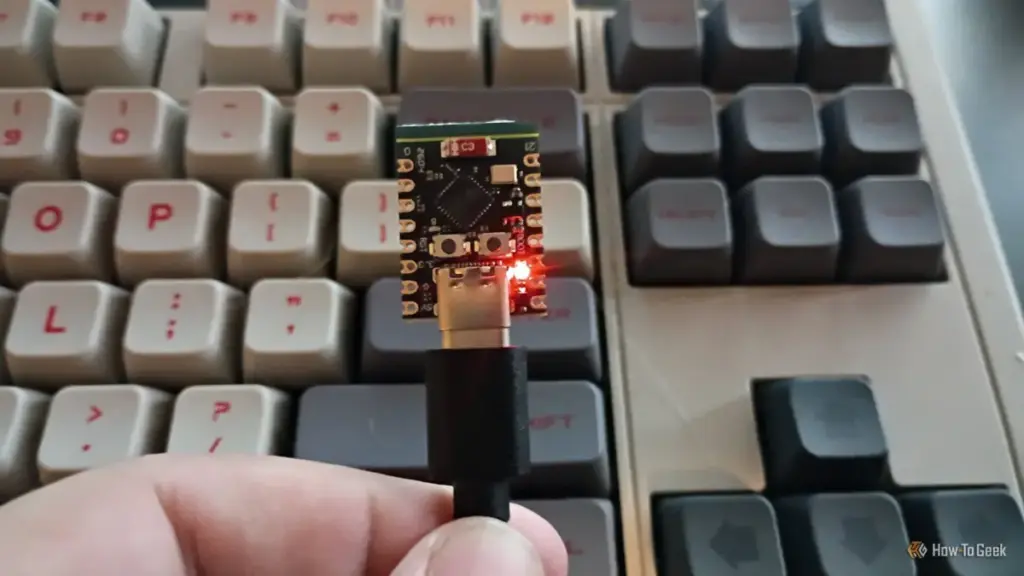
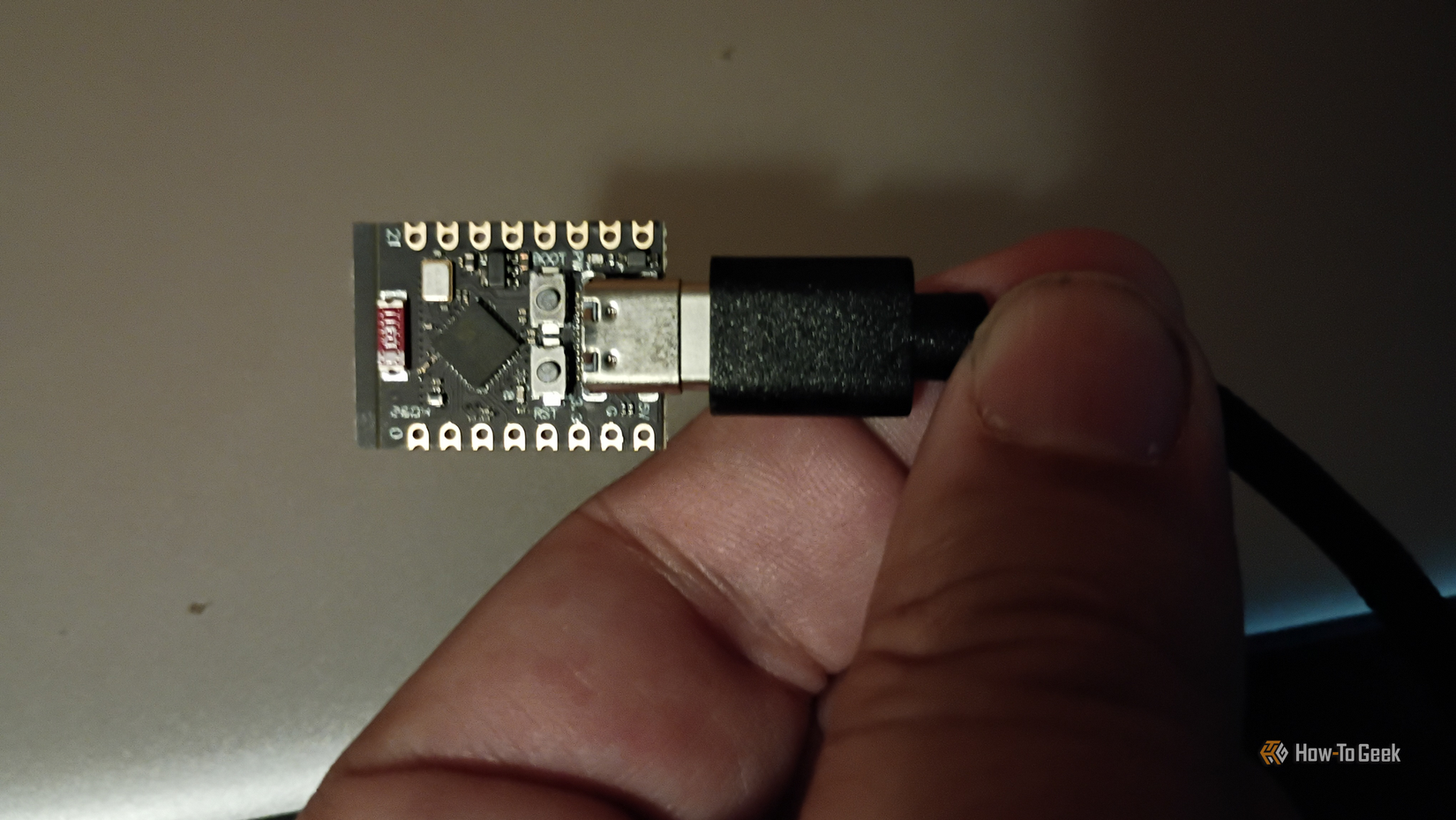
While the experiment successfully proved that a low-cost ESP32 board can mimic the proximity-sensing capabilities of a commercial tracker, it also highlighted the vast gap between a standalone beacon and a global tracking ecosystem.
The primary limitation of the DIY tag is the lack of a "find my" network. Commercial trackers like the AirTag leverage millions of iPhones to relay the location of a lost item back to its owner, even if the owner is miles away. In contrast, Buck’s ESP32 tag only works when it is within 40 feet of his specific Motorola phone.
"My board just tells me when something is near me or gone entirely," Buck explained. "It isn’t going to tell me where it went, which firmly ranks it as a ‘fun learning project’ rather than a ‘useful tool for tracking long-term.’"
However, the project is not without practical applications. With the addition of a small battery or power pack, such a device could serve as a highly effective "left behind" alert system. If a user were to leave a bag containing the tag at a cafe, their phone could trigger a notification the moment the BLE signal drops below a certain threshold. It is a niche, localized solution that offers a degree of utility without the need for a corporate cloud infrastructure.
Reflections on the Maker Experience
For David Buck, the weekend spent with the ESP32-C3 was a reminder of the inherent value in the process of creation. While the resulting "tracker" may not replace his daily-use gadgets, the journey through hardware configuration, firmware debugging, and signal testing provided a deeper understanding of the technologies that permeate modern life.
The project also underscored the versatility of the ESP32 platform, which Buck intends to continue exploring alongside his work with Raspberry Pi microcomputers. Whether mapping Wi-Fi dead zones or building custom BLE beacons, these small-scale experiments contribute to a broader mastery of the digital tools that define the modern world.
As the maker community continues to grow, projects like these demonstrate that with a few dollars’ worth of hardware and a bit of persistence, anyone can pull back the curtain on "magic" consumer technology and build something uniquely their own. In the end, the "MauvePorpoise" was more than just a beacon; it was a testament to the enduring appeal of the weekend experiment.
 Tech Tutorials & How-To Guides
From E-Waste to New Passions: How Repurposed Technology is Fueling a New Era of Accessible Geek Hobbies
For many technology enthusiasts, the "junk drawer" is a common household fixture—a...
 Tech Tutorials & How-To Guides
The Fragile Alliance: Why Windows Continues to Disrupt Dual-Boot Linux Environments
For many technology enthusiasts and professionals, the ideal computing environment involves a...
 Tech Tutorials & How-To Guides
Navigating the Modern Desktop: Why the ‘This PC’ Icon Remains a Staple for Windows Users
For nearly three decades, the "My Computer" icon served as the digital...







