
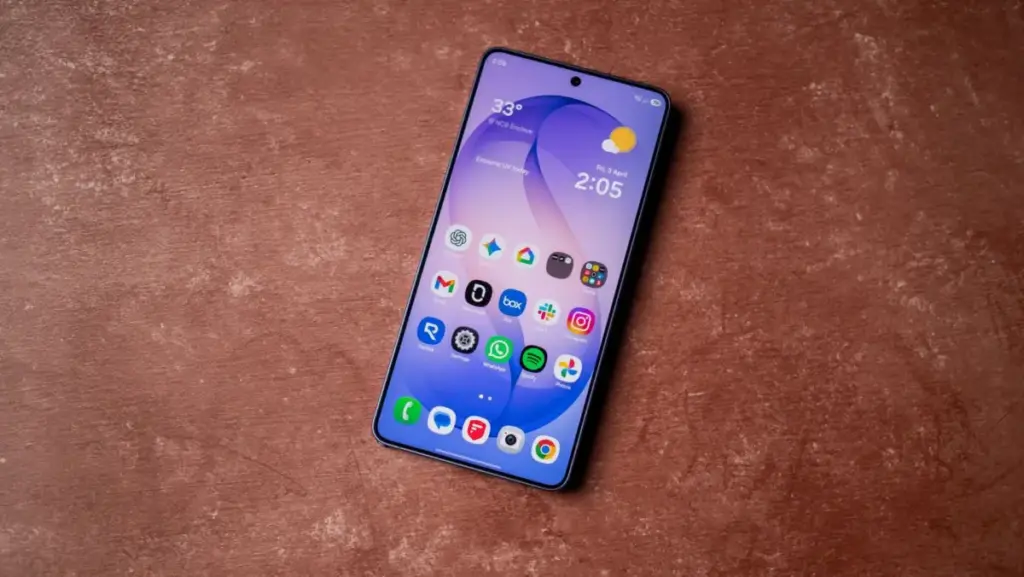
The arrival of a major Android operating system update is typically a moment of celebration for smartphone enthusiasts. It promises a refreshed interface, enhanced security protocols, and a suite of new features designed to make the daily mobile experience more fluid and capable. However, for a growing number of Samsung Galaxy S26 Ultra owners, the transition to One UI 9—Samsung’s implementation of Android 17—has turned from a moment of excitement into a technical nightmare.
Reports have begun to surface regarding a critical software bug that effectively "bricks" the user experience, leaving some of Samsung’s most expensive and powerful hardware stuck in a state of digital limbo. The issue, which appears to manifest during or immediately after the initial setup process of the new update, has prompted an official acknowledgement from the South Korean tech giant, alongside a series of temporary workarounds as engineers scramble to find a permanent resolution.
The Critical Startup Failure: Black Screens and Error Messages
The trouble began to gain public attention following a series of distressed posts on Samsung’s official community forums in South Korea. One particularly prominent report, highlighted by the community and later corroborated by technical outlets such as SammyFans, detailed a scenario where the Galaxy S26 Ultra becomes unresponsive during the boot-up phase.
According to the machine-translated report from a forum user, the device fails to reach the home screen after installing the One UI 9 update. Instead, the user is met with a persistent black screen or a cryptic error message. "Since the UI 9.0 update, this keeps appearing on my phone screen," the user wrote. "The screen is black and the home screen isn’t appearing either."
The error message in question specifically states, "The webpage is unavailable… for the following reasons," followed by a failure to load the standard Samsung account login or the initial setup wizard. This effectively prevents the user from accessing their apps, data, or any of the phone’s primary functions. For a device marketed as the pinnacle of mobile productivity and performance, such a fundamental failure in the software stack is a significant blow to user confidence.
Samsung’s development team was quick to investigate the report and has since identified the likely culprit. According to the company, the issue is not necessarily a total corruption of the OS, but rather a specific failure involving the "Android System WebView." In a statement responding to the forum reports, Samsung explained, "The development team has confirmed that this issue occurs when using an unstable system WebView on certain networks. We kindly ask that you follow the troubleshooting guide."
The Android System WebView is a critical system component powered by Chrome that allows Android apps to display web content without opening a separate browser. Because the modern One UI setup process and various system login screens are essentially web-based wrappers, a failure in the WebView component can halt the entire system’s ability to render the user interface, resulting in the "black screen" or "webpage unavailable" errors reported by users.
 Mobile Device Management (MDM) & Mobile OS
Google Rolls Out Major November Update for Googlebook to Optimize AI Memory and System Stability
Google has officially begun the deployment of its November system update for...
 Mobile Device Management (MDM) & Mobile OS
Samsung Reportedly Developing ‘Galaxy Studio’ Over-Ear Headphones to Challenge Apple and Sony
The landscape of the premium audio market has long been defined by...
 Mobile Device Management (MDM) & Mobile OS
Early Black Friday Deals Bring Significant Savings to the Oura Ring 5 as the Wearable Market Shifts Toward Discreet Health Monitoring
The landscape of wearable technology has undergone a significant transformation over the...







