
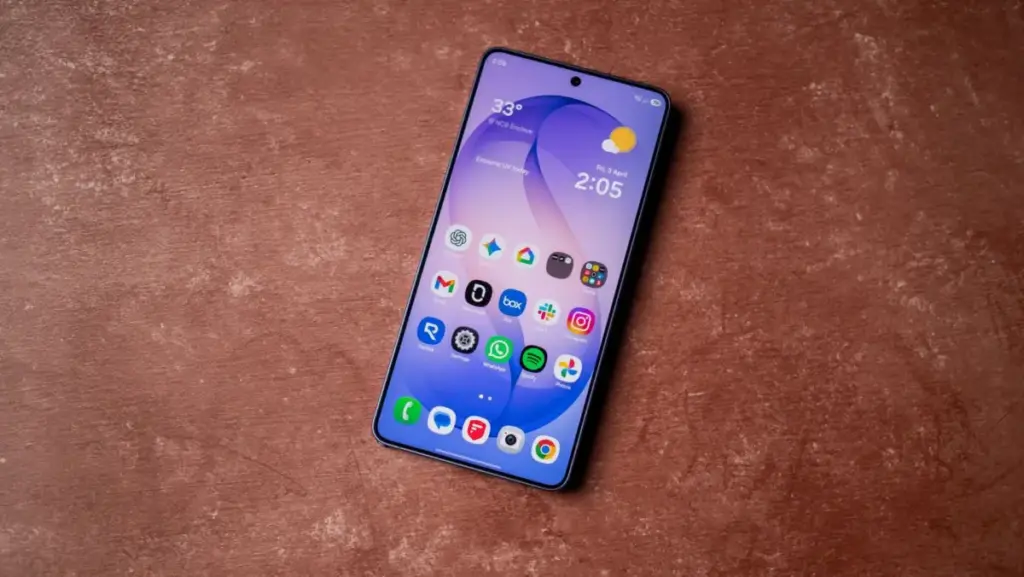
The rollout finally began in earnest in late September, with T-Mobile customers in the United States being among the first to receive the massive 4GB download for the Galaxy S26 series. It was soon followed by releases for Verizon, AT&T, and unlocked variants. As the update has reached a wider audience—including those on budget-friendly hardware—the sheer diversity of network environments and user configurations has likely exposed these underlying instabilities that were missed during the beta testing phase.
Analysis: The Cost of Complexity in the Modern Mobile Era
The situation surrounding the Galaxy S26 Ultra and One UI 9 serves as a stark reminder of the immense complexity inherent in modern mobile operating systems. As Samsung continues to integrate more features—ranging from advanced AI processing to deep cloud integration—the number of potential failure points grows exponentially.
From a journalistic perspective, these issues raise serious questions about Samsung’s current quality assurance pipeline. When a consumer invests in a flagship "Ultra" device, there is an implicit contract that the hardware will be supported by stable, reliable software. To have the flagship of the fleet crippled by a component as fundamental as the System WebView suggests a disconnect between the development of new features and the maintenance of core system stability.
The irony of the situation is not lost on the community: the very delays that were supposed to ensure a "bug-free" experience may have contributed to a rushed final deployment as the company felt the pressure to meet a late-year release window. For many users, the frustration stems not just from the bug itself, but from the feeling that the premium "Galaxy experience" is being diluted by software that feels unpolished.
There is also the matter of communication. While Samsung’s response on the Korean forums was relatively swift, the lack of a global, high-profile advisory has left many users in other regions scouring the internet for answers. In the absence of a clear, centralized message from the manufacturer, misinformation can spread, and users may resort to "fixes" that could potentially void warranties or cause further data loss.
Looking ahead, it is almost certain that Samsung will release a "hotfix" or a secondary maintenance update to address the WebView and XML errors. Historically, the company is efficient at patching high-priority bugs once they have been identified in the wild. However, for those currently staring at a black screen on their $1,300 smartphone, the promise of a future patch is cold comfort.
As the One UI 9 rollout continues to reach more devices and more regions, the tech world will be watching closely to see if Samsung can stabilize its software platform. For now, the advice for Galaxy S26 Ultra owners who have not yet updated remains cautious: ensure your data is backed up, update your apps (especially Chrome) beforehand, and if possible, perform the update while connected to a reliable Wi-Fi network to minimize the risk of a system-halting error.
 Mobile Device Management (MDM) & Mobile OS
Samsung Reportedly Shifting Strategy for Galaxy S27 Series with New ‘Pro’ Model and Premium-Heavy Production Goals
As the global smartphone market continues to gravitate toward high-end, feature-rich devices,...
 Mobile Device Management (MDM) & Mobile OS
Samsung One UI 9 Update Reportedly Linked to Severe Battery Drain and Setup Errors Across Galaxy Flagships
Samsung has maintained an aggressive pace in its software deployment cycle throughout...
 Mobile Device Management (MDM) & Mobile OS
Xiaomi 18 Fold Review: A Masterclass in Hardware Engineering Shackled by Software Borders
The trajectory of the foldable smartphone market has, for several years, been...







