The technology industry has a tendency to operate within a vacuum, often populated by enthusiasts, early adopters, and those who find genuine joy in the granular details of hardware specifications and software configurations. For these "geeks," the smart home has been a playground for decades. From the early days of X10 industry standards to the more recent proliferation of Wi-Fi-enabled peripherals, the ability to control one’s environment through digital interfaces has become second nature. However, it is easy for those immersed in this world to forget that they live in a tech bubble, disconnected from the frustrations and hesitations of the average consumer.
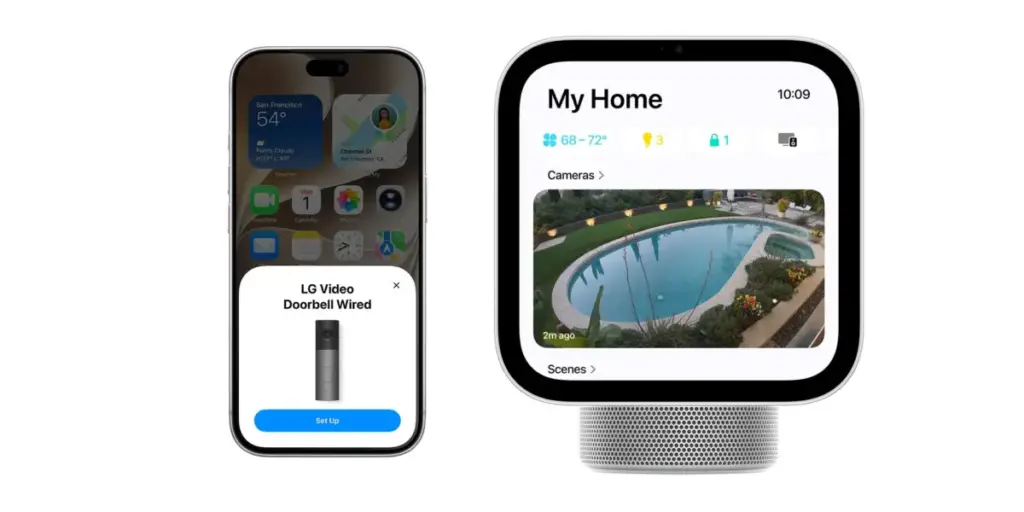
Recently, the unveiling of the Apple Home Collection—a suite of smart home accessories developed in collaboration with industry giants like LG and Schneider Electric—has been met with a degree of skepticism from the enthusiast community. The prevailing critique suggests that these devices offer little in the way of "new" functionality while carrying significantly higher price tags than existing alternatives. Yet, this perspective may be missing the forest for the trees. By focusing on the "what" of the devices, critics are overlooking the "how." For the mass market, the barrier to entry has never been a lack of features; it has been the overwhelming friction of setup and maintenance.
HomeKit was a start, but not enough
To understand why the Apple Home Collection is a significant strategic move, one must look back at the trajectory of the smart home industry. In its infancy, automating a house was a hobbyist’s endeavor that required a working knowledge of electrical engineering and computer programming. Soldering irons and custom scripts were the tools of the trade. As the technology matured, it became more accessible through wireless protocols and smartphone integration, but it remained far from "plug-and-play."
Apple’s first major attempt to bring order to this fragmented landscape was the introduction of HomeKit. The vision was ambitious: a centralized framework where every device, regardless of the manufacturer, could be managed through a single "Home" app. HomeKit promised a layer of security and privacy that was often lacking in third-party ecosystems, and it brought the convenience of Siri voice control to the masses. The HomeKit label on a box was intended to be a seal of approval, guaranteeing that a device would work seamlessly within the Apple ecosystem.
However, the reality of HomeKit often fell short of its lofty promises. While it did consolidate control, the initial setup process remained a significant hurdle. Users frequently found themselves caught in a loop of downloading third-party "bridge" apps to perform firmware updates or initial configurations before a device would even appear in Apple’s Home app. For the average user, setting up a smart plug or a security camera often felt like an unpaid internship as a network engineer. Troubleshooting connectivity issues, managing different hubs, and navigating complex pairing processes meant that smart home technology remained a niche interest.
Furthermore, Apple’s strict hardware authentication requirements in the early years led to a slower rate of adoption among manufacturers. While Amazon’s Alexa and Google Home ecosystems expanded rapidly by prioritizing quantity and low cost, HomeKit remained a smaller, albeit more secure, garden. The convenience of buying a cheap, off-the-shelf bulb that "just worked" with a voice assistant often outweighed the privacy-centric but more cumbersome HomeKit experience.
 Smart Home & IoT Solutions
Apple now sells Aqara Adaptive Temperature thermostat and seven more accessories
The inclusion of these products in the Apple Store is more than...
 Smart Home & IoT Solutions
Apple Partners with LG for Major Smart Home Expansion Featuring New Cameras, Locks, and Thermostats
In a significant strategic shift for its domestic technology ecosystem, Apple is...
 Smart Home & IoT Solutions
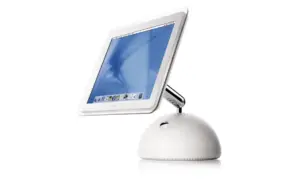
Apple Poised to Enter Smart Home Display Market with Design Inspired by Iconic iMac G4
In a move that signals a significant shift in its hardware strategy,...