
Matter and Thread helped
The industry recognized this friction, leading to the development and launch of the Matter and Thread standards. Matter, an interoperability protocol backed by Apple, Google, Amazon, and the Connectivity Standards Alliance (CSA), was designed to ensure that smart home devices could work across different platforms without the need for proprietary bridges. Thread, a low-power mesh networking protocol, aimed to solve the reliability issues that often plagued Wi-Fi and Bluetooth-based devices.
These standards represented a massive leap forward for the industry. For the first time, a manufacturer could build a single device that was natively compatible with every major smart home ecosystem. For the consumer, Matter enabled a simpler setup process, typically involving the scanning of a QR code to bring a device online. This was a significant improvement, and it certainly helped move the needle toward mass-market accessibility.
Despite these advancements, the practical impact on the "non-geek" population was still somewhat limited. Even with Matter, the user experience could vary wildly between brands. The underlying complexity of home networking—routers, signal strength, and account linking—remained a ghost in the machine, ready to haunt users who just wanted their porch light to turn on at sunset. The industry had improved the "plumbing" of the smart home, but it had yet to perfect the user interface of the physical installation.
Apple Home Collection
This historical context brings us to the Apple Home Collection. The criticism that these devices do not represent "new" product categories is technically accurate. There are already dozens of smart doorbells, thermostats, and lighting systems on the market, many of which cost a fraction of the Apple-branded versions. However, this line of reasoning assumes that the average consumer makes purchasing decisions based on a feature-per-dollar spreadsheet.
For the "normie"—the person who wants the benefits of a smart home but has no interest in troubleshooting a mesh network—the Apple Home Collection offers a feature that is more valuable than any hardware spec: the elimination of friction.
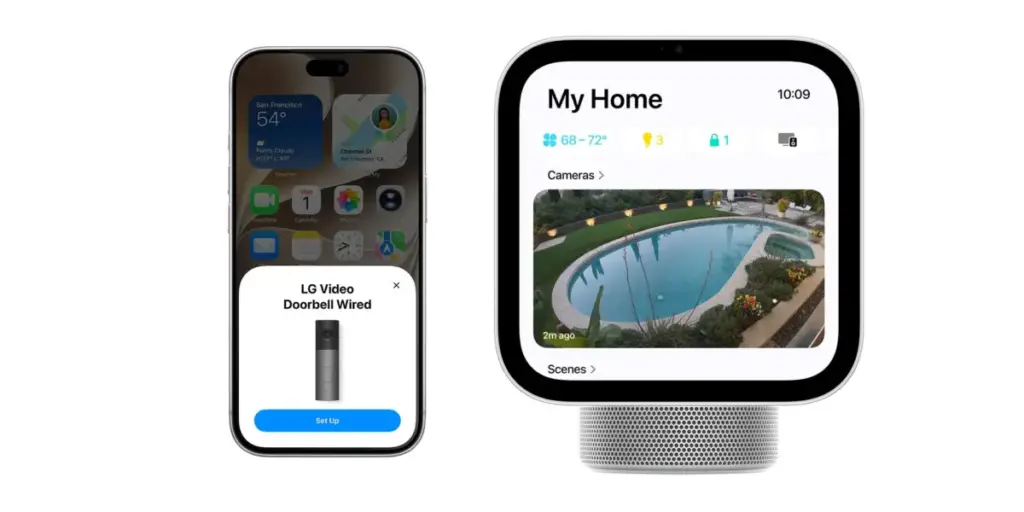
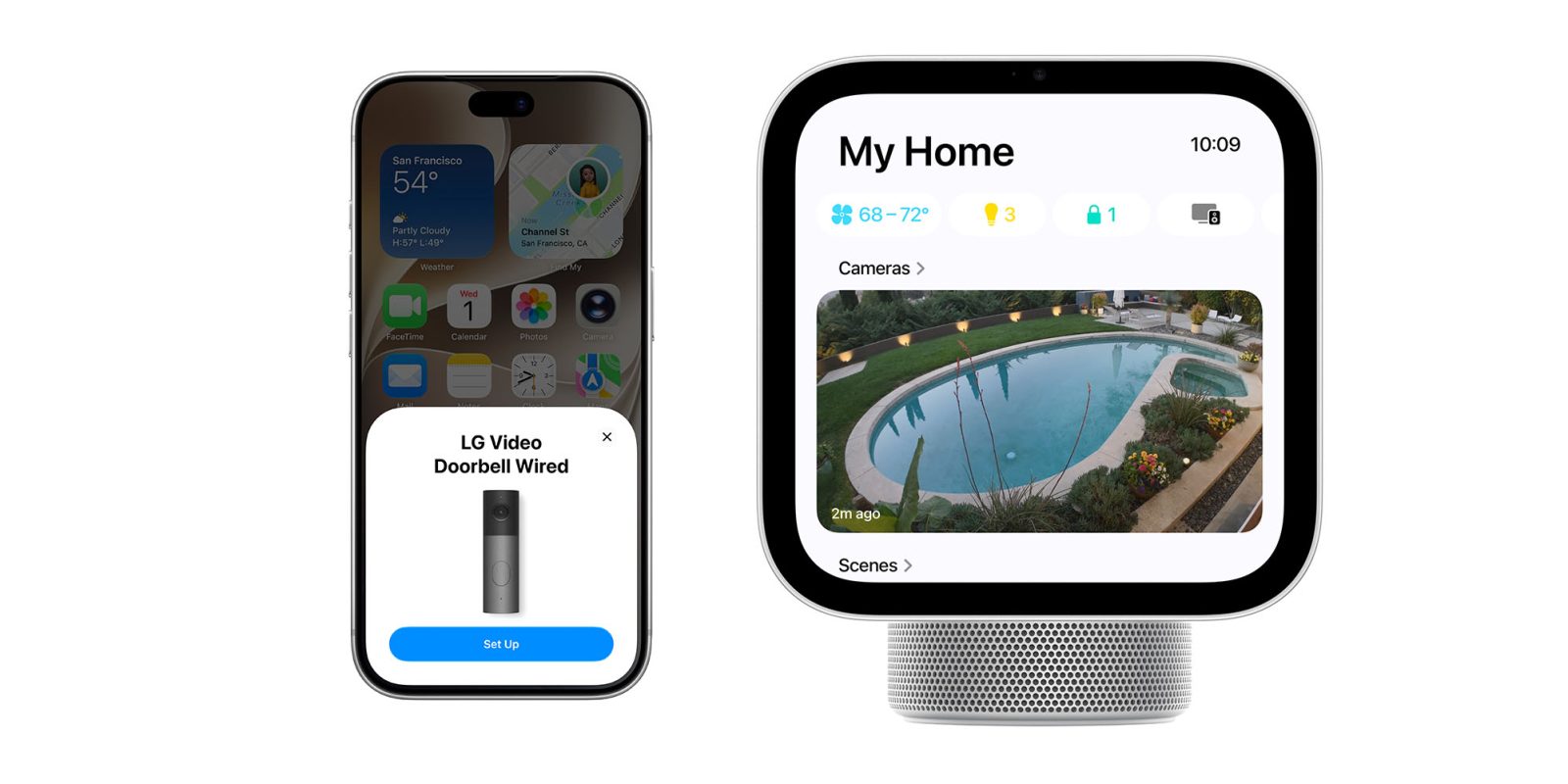
The defining characteristic of the Apple Home Collection is a setup process that mimics the "magic" of AirPods. Since the introduction of the W1 chip, Apple has mastered the art of proximity pairing. When a user opens a new pair of AirPods near their iPhone, a card automatically slides up, asking if they would like to connect. There are no menus to navigate, no Bluetooth settings to toggle, and no codes to enter. It is an intuitive, delightful experience that has set the standard for consumer electronics.
 Smart Home & IoT Solutions
Apple Poised for Major Smart Home Overhaul as Apple Intelligence Breathes New Life into Stagnant Product Line
For several years, Apple’s presence in the smart home market has felt...
 Smart Home & IoT Solutions
SwitchBot Unveils Lock Vision Series Featuring Matter Integration and Advanced 3D Biometric Recognition
In a significant expansion of its smart home security portfolio, SwitchBot has...
 Smart Home & IoT Solutions
Apple Expands Smart Home Ecosystem with New Third-Party Accessories and Aqara Matter Integration
In a strategic update to its retail and online storefronts this week,...







