
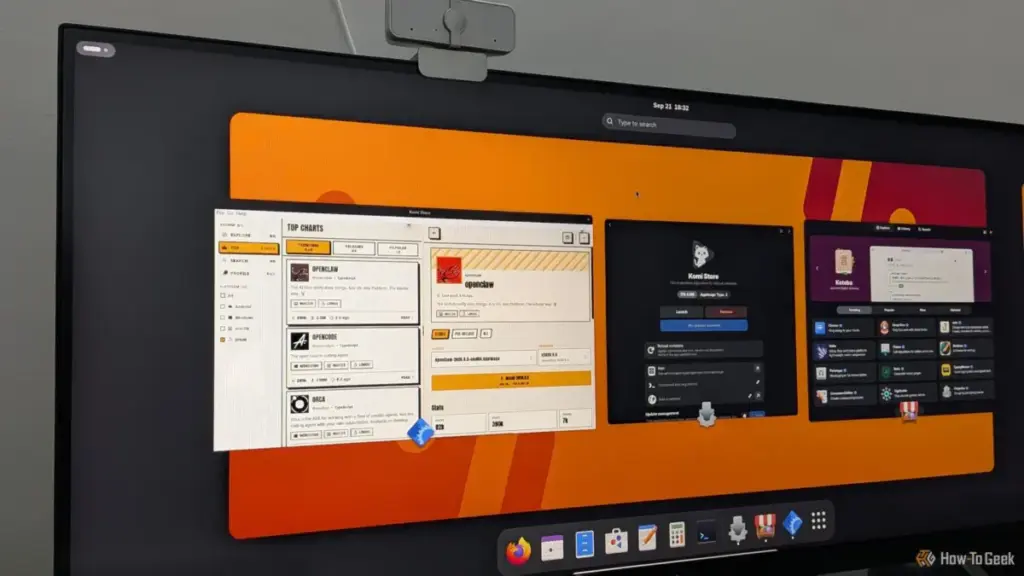
Fedora has long occupied a prestigious, if somewhat contradictory, position within the Linux ecosystem. It is frequently hailed as the distribution that "gets things right first," serving as a high-speed laboratory for the technologies that eventually define the enterprise-grade Red Hat Enterprise Linux (RHEL). For developers, sysadmins, and open-source purists, Fedora represents the cutting edge of what a free operating system can be. It is fast, modern, and uncompromising in its commitment to free software principles.
However, for the average user—or even the seasoned professional looking for a seamless "out of the box" experience—a different picture often emerges. Beyond the initial polish of its clean GNOME interface lies a system that frequently expects the user to finish the installation process themselves. While the base system is undeniably robust, the "Workstation" experience is often marred by a series of friction points, from missing media support to an ideological aversion to proprietary drivers that can leave hardware underperforming. Despite the significant hype surrounding each new release, Fedora remains a distribution that provides an excellent foundation but leaves the final assembly to the end-user.
The Missing Pieces: Codecs, Drivers, and Default Settings
The primary source of frustration for many Fedora newcomers is not found in what the distribution includes, but rather in what it refuses to ship. Because the Fedora Project is based in the United States and adheres strictly to a policy of excluding patent-encumbered and proprietary software, a fresh installation is functionally hobbled when it comes to modern media consumption.
Since the release of Fedora 37, the project has disabled hardware-accelerated decoding for H.264 and HEVC within the Mesa graphics drivers. While video content will still play on most systems, the heavy lifting is shifted from the dedicated GPU to the CPU. For laptop users, the consequences are immediate and detrimental: increased heat, louder fan noise, and significantly reduced battery life.
Addressing this requires a multi-step intervention. A user must know to enable the third-party RPM Fusion repositories, swap out the default Mesa drivers for the "freeworld" versions, and install the full FFmpeg suite. While these commands are well-documented in community forums, the default setup provides no indication that the system is running in a degraded state or that these steps are necessary to unlock the hardware’s full potential.
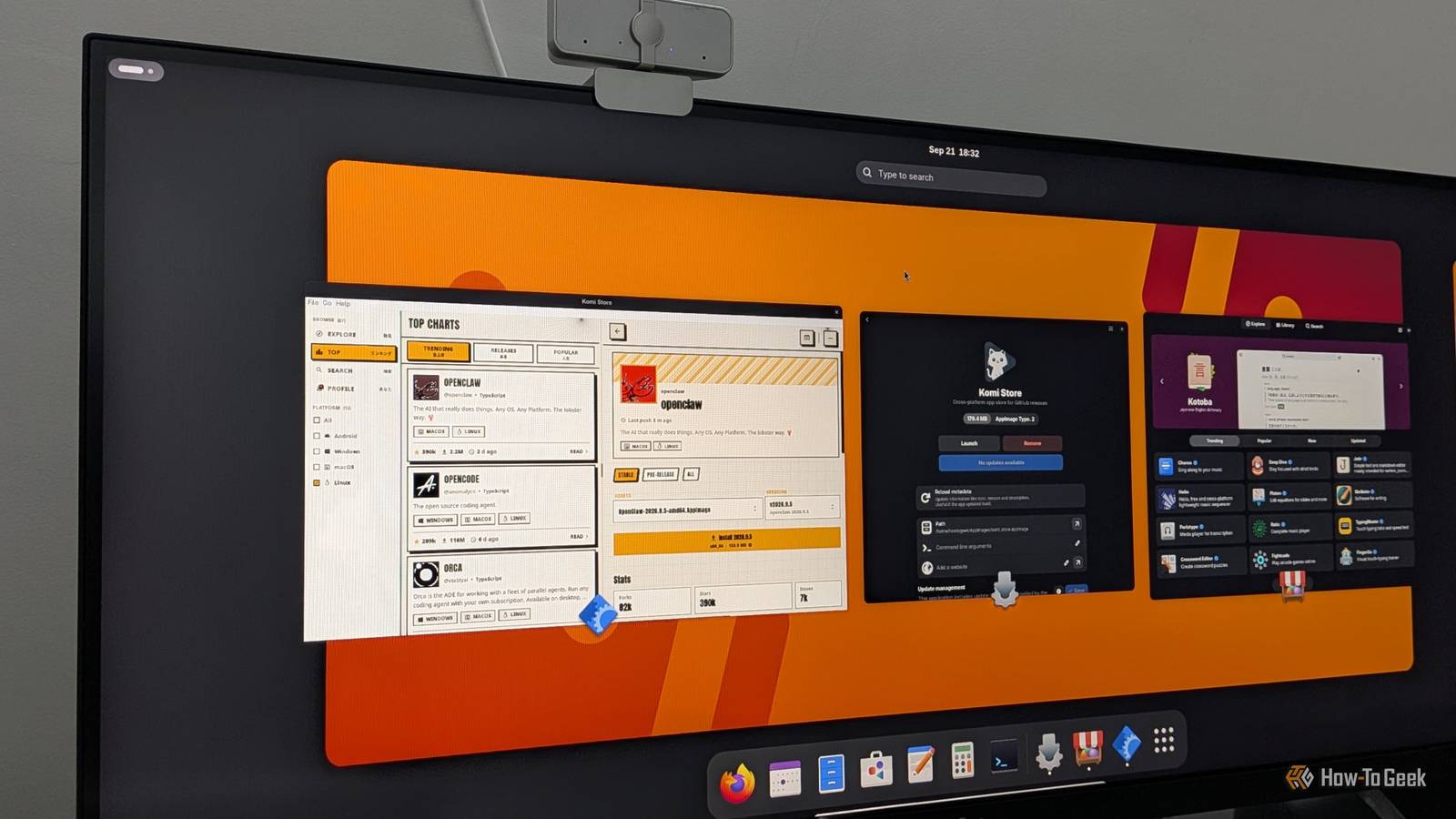
The experience for Nvidia hardware owners is similarly fraught. Because the proprietary Nvidia driver cannot be included in Fedora’s official repositories, users must rely on RPM Fusion and a local build process managed by "akmods." On systems where Secure Boot is enabled—which includes almost every modern laptop and pre-built desktop—the process becomes even more opaque. Users must manually enroll a signing key (MOK) at the BIOS/UEFI level, or the driver simply will not load. A user unaware of this requirement may find themselves trapped in a low-resolution environment with software rendering, wondering why their powerful dedicated graphics card is being ignored by the OS.
The desktop environment itself, while aesthetically pleasing, adheres so closely to "upstream" GNOME defaults that it often feels utilitarian to a fault. Fedora Workstation ships with windows that feature only a close button, omitting the minimize and maximize controls that have been standard in computing for decades. Furthermore, the lack of native support for system tray icons means that essential applications—such as Dropbox, Steam, or Discord—do not behave as expected unless the user discovers and installs third-party GNOME extensions. For a distribution marketed as a polished workstation, these "rough edges" require a level of manual configuration that many other modern distributions have long since automated.
Software Friction and the Quest for Stability
The software delivery model in Fedora has also faced recent scrutiny, particularly regarding the handling of Flatpaks. Fedora maintains its own Flatpak remote, which it prioritizes over the industry-standard Flathub. In early 2025, this led to a public and heated dispute with the developers of OBS Studio. Users were installing a Fedora-packaged version of OBS that was broken, assuming it was the official build. The developers of OBS eventually had to clarify that the Fedora version was not supported by them, highlighting a significant disconnect between Fedora’s packaging philosophy and the needs of software maintainers.
 Tech Tutorials & How-To Guides
The Case for the Cathode Ray Tube: Why Your Old Monitor is a Treasure, Not Trash
In an era defined by ultra-thin OLED panels, 4K resolutions, and refresh...
 Tech Tutorials & How-To Guides
The Great Big-Box Battle: Evaluating the Power Tool Ecosystems of Ryobi, Craftsman, and Hyper Tough
For the modern homeowner or the burgeoning DIY enthusiast, the walk down...
 Tech Tutorials & How-To Guides
The Hidden Hazards of Pausing 3D Prints: Why Glitter and Sand Can Devastate Your Hardware
The ability to pause a 3D print mid-operation has long been celebrated...







