
Exploring the Alternatives: Who Finishes the Job?
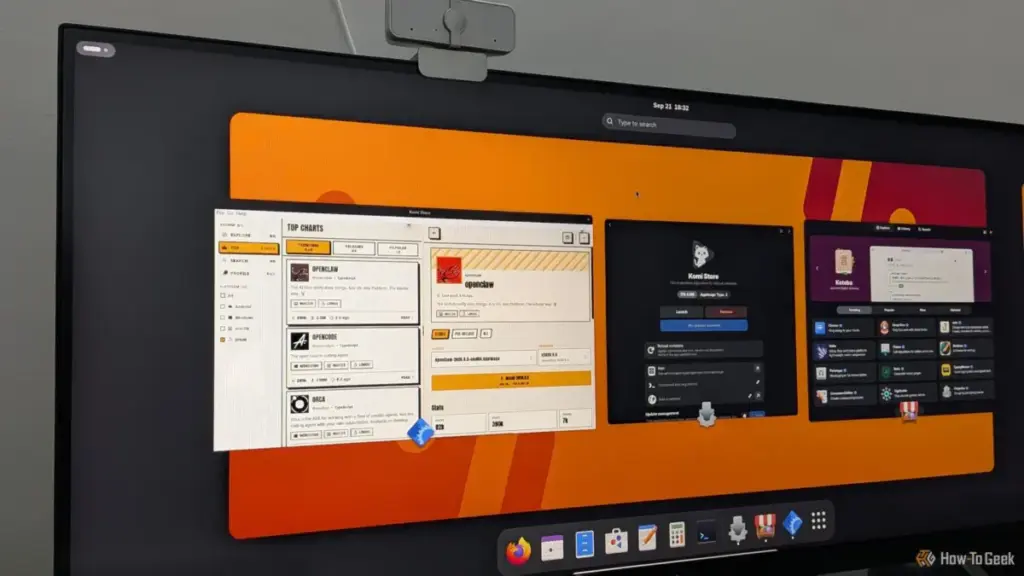
For those who find Fedora’s "to-do list" approach exhausting, the Linux landscape offers several alternatives that take Fedora’s excellent foundation and add the necessary finishing touches. Many of these are actually built directly on top of Fedora, proving that the base system is not the problem, but rather the default configuration.
The Universal Blue project has gained significant traction with "Bazzite" and "Aurora." These are "Atomic" versions of Fedora that come pre-configured with codecs, Nvidia drivers, and sensible desktop tweaks. Bazzite is specifically tailored for gaming and handheld PCs like the Steam Deck, while Aurora provides a polished KDE Plasma experience designed for productivity. For users who prefer a traditional package-based system, Nobara—maintained by prominent Linux developer GloriousEggroll—offers a version of Fedora specifically optimized for gaming and media production, including custom kernel patches that Fedora’s main branch avoids.
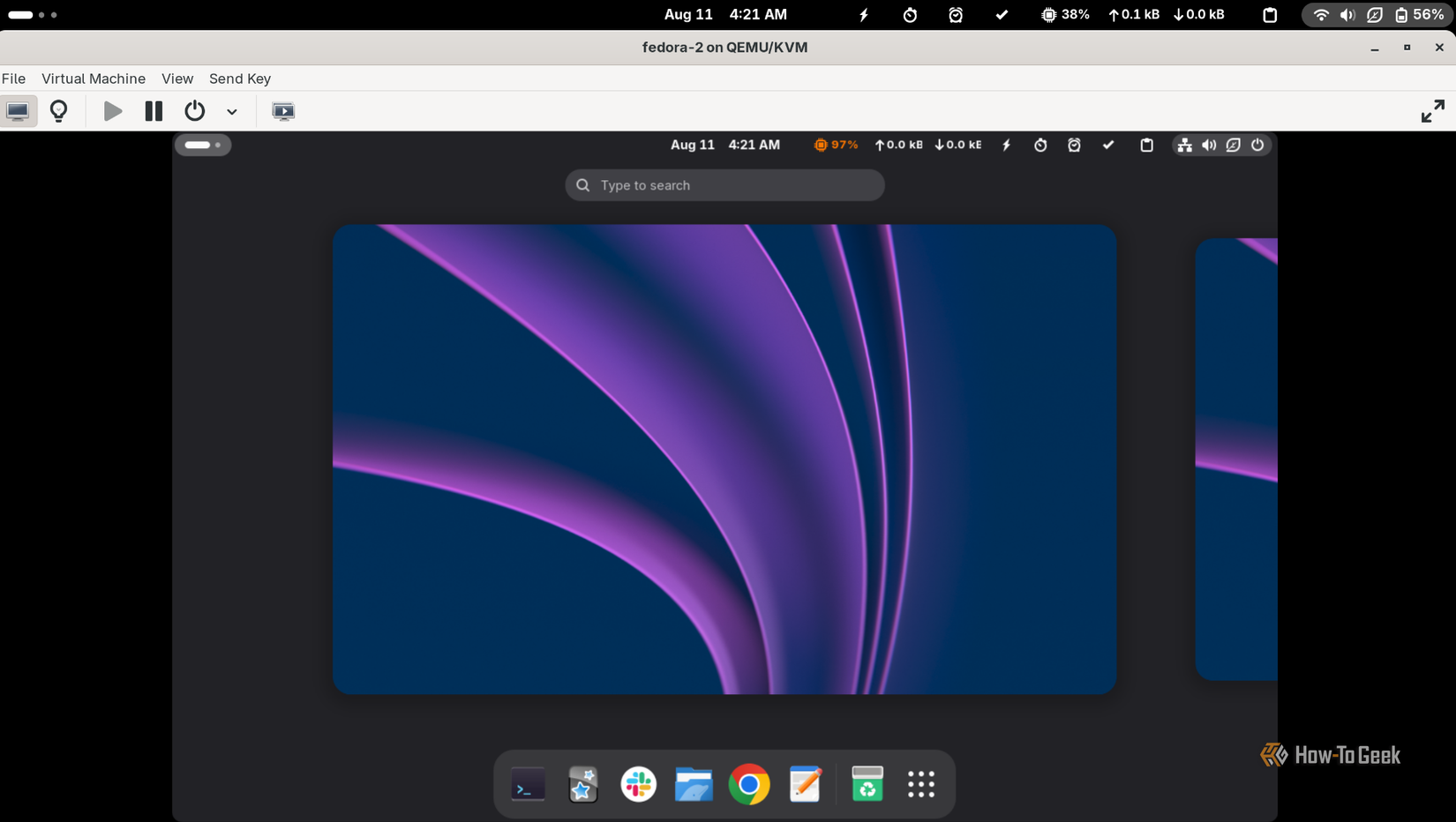
Outside of the Fedora family, the competition remains fierce. Ubuntu 26.04 LTS continues to be the benchmark for "just works" Linux, offering a mature driver manager and five years of guaranteed support. While its "Snap-first" approach remains a point of contention for some, its ease of use is undeniable. Linux Mint, based on Ubuntu’s stable foundation, remains the gold standard for users transitioning from Windows, offering a familiar Cinnamon desktop and an installer that handles media codecs with a single checkbox.
For Nvidia users, Pop!_OS by System76 remains a standout choice. By shipping a dedicated ISO with Nvidia drivers pre-baked into the live environment, they eliminate the most common point of failure for Linux newcomers. Furthermore, their new COSMIC desktop, written in Rust, represents one of the most exciting developments in the Linux space, offering a modern alternative to the GNOME/KDE duopoly.
Finally, for those who value Fedora’s "freshness" but want more built-in tooling, openSUSE Tumbleweed offers a compelling middle ground. As a rolling release, it provides the latest software versions but uses the sophisticated OpenQA testing system to ensure stability, complemented by "Snapper" snapshots that allow users to trivially roll back their entire system if an update goes wrong.
A Powerful Core in Search of a Better Interface
Ultimately, Fedora is an excellent operating system that is frequently let down by its own commitment to a "pure" upstream experience. Its core is fast, its security model is forward-thinking, and it remains the primary driver of innovation in the Linux world. However, as long as it continues to hand new users a checklist of manual configurations to perform after the first boot, it will struggle to move beyond its niche as a "distro for people who already know how to fix it."
Fedora doesn’t need to change its soul to succeed; it simply needs to stop pretending that the needs of the modern desktop user—codecs, drivers, and a functional UI—are problems that don’t exist. Until the project embraces smarter defaults and clearer guidance, the best way to experience Fedora might just be through the various "spins" and community projects that are willing to finish the job that Fedora starts.
 Tech Tutorials & How-To Guides
The Raspberry Pi Returns to Its Maker Roots: Three Innovative Hardware Projects for the Modern Tinkerer
As the technology landscape continues to evolve in 2026, the role of...
 Tech Tutorials & How-To Guides
The Hidden Cost of DLSS: Why NVIDIA’s Software Lead No Longer Justifies the GeForce Price Premium
For over a decade, NVIDIA has cultivated a nearly impenetrable software ecosystem...
 Tech Tutorials & How-To Guides
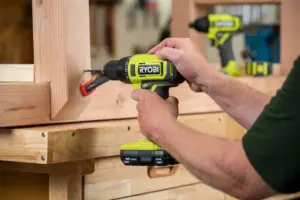
The Great Big-Box Battle: Evaluating the Power Tool Ecosystems of Ryobi, Craftsman, and Hyper Tough
For the modern homeowner or the burgeoning DIY enthusiast, the walk down...







