
In an era where digital identity is under constant siege from sophisticated phishing schemes and credential stuffing attacks, the move toward passwordless authentication has transitioned from a niche tech enthusiast’s dream to a mainstream security necessity. For years, the industry gold standard for this transition has been the hardware security key—most notably the YubiKey. However, for many users, the $30 to $50 entry price for a single USB dongle remains a psychological and financial barrier. I found myself in this exact position: deeply curious about the security benefits of hardware-backed passkeys, yet hesitant to pull the trigger on a dedicated device.
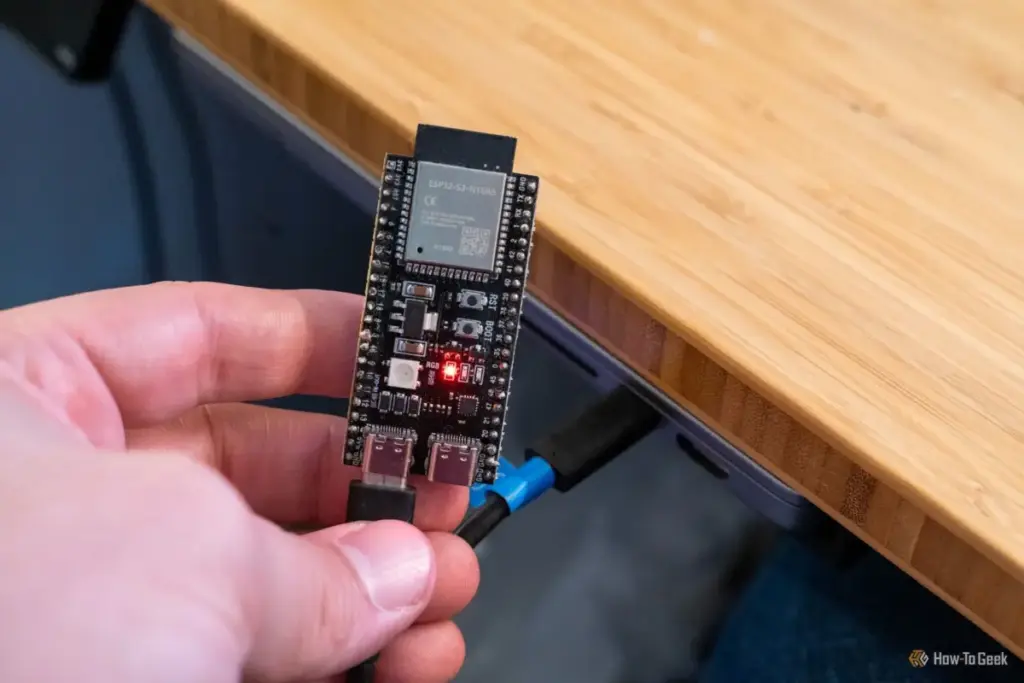
Instead of reaching for my wallet, I reached into my desk drawer. There, I found a $6 ESP32 microcontroller, a versatile piece of hardware I had originally purchased for a different project. I set out to see if I could replicate the core functionality of a high-end security key using this affordable, hobbyist-grade silicon. To my surprise, the process was not only successful but remarkably straightforward, offering a fascinating glimpse into how accessible high-level security can be for those willing to experiment with DIY solutions.
What is an ESP32, and How Does It Replace a YubiKey?
To understand how a hobbyist board can mimic a professional security tool, one must first understand the architecture of the ESP32. Designed by Espressif Systems, the ESP32 is a low-cost, low-power system-on-a-chip (SoC) with integrated Wi-Fi and dual-mode Bluetooth. While it is commonly found at the heart of smart home devices, sensors, and robotics projects, its utility extends far beyond simple automation.
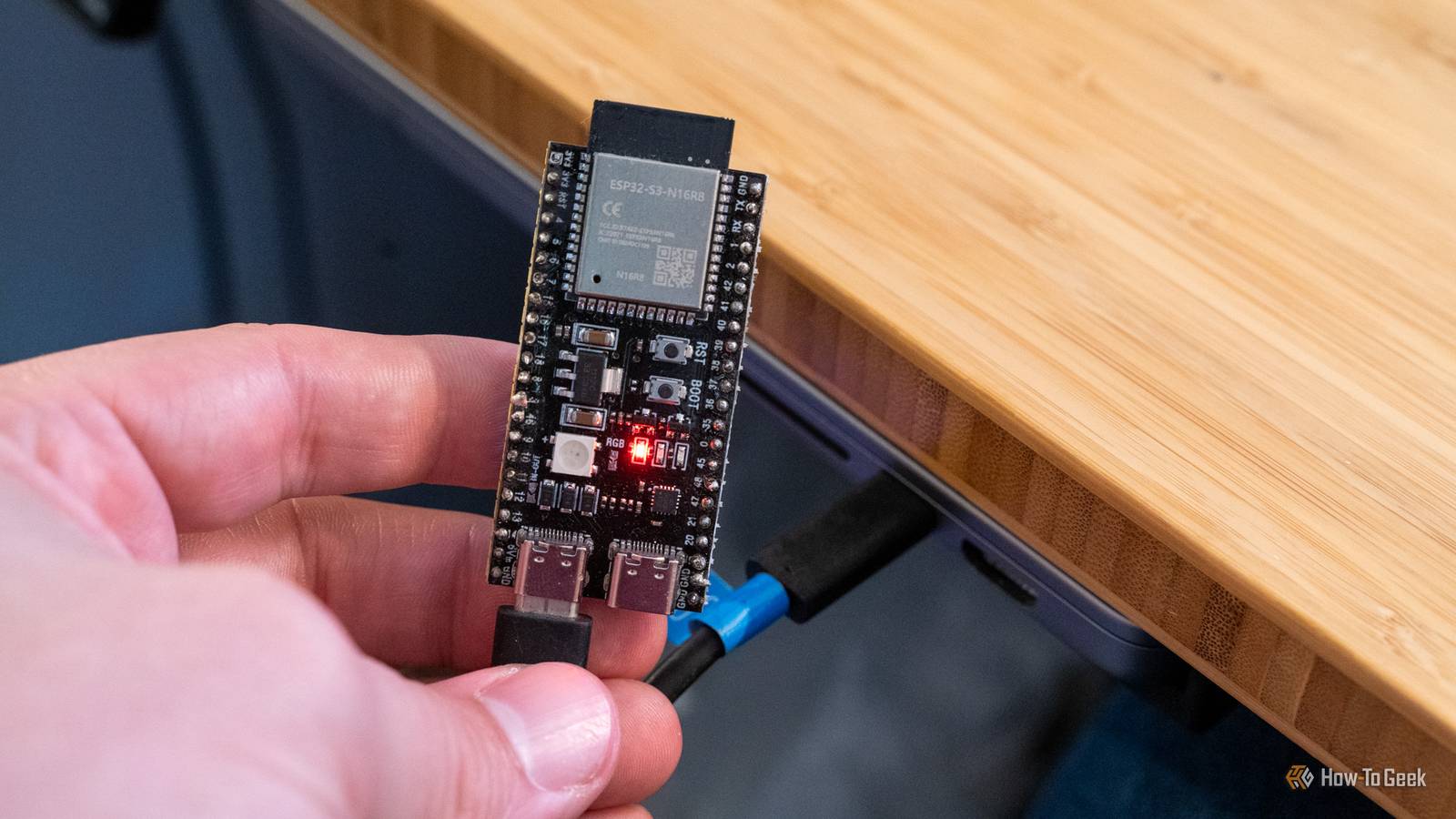
The specific variant I utilized for this project was the ESP32-S3N16R8. This particular model is a powerhouse in the microcontroller world, featuring 16MB of flash memory and 8MB of PSRAM. The "S3" series is particularly crucial for this application because it includes native USB support. Unlike older microcontrollers that required a secondary chip to communicate with a computer’s serial port, the ESP32-S3 can natively emulate various USB devices.
This capability is the secret sauce of the project. By programming the ESP32-S3 to act as a Human Interface Device (HID), it can appear to a computer as a keyboard, a mouse, or, in this case, a FIDO2-compliant security key. Essentially, the hardware provides the physical platform, and the software provides the cryptographic logic necessary to satisfy the requirements of modern passwordless login protocols.
What is a YubiKey?
To appreciate what the DIY version accomplishes, it is important to define the role of the commercial product it seeks to emulate. A YubiKey is a hardware authentication device manufactured by Yubico that supports multiple protocols, including FIDO2, WebAuthn, and U2F. Its primary purpose is to act as a physical "something you have" factor in multi-factor authentication (MFA) or as a standalone passkey for passwordless logins.
 Tech Tutorials & How-To Guides
The Great Big-Box Battle: Evaluating the Power Tool Ecosystems of Ryobi, Craftsman, and Hyper Tough
For the modern homeowner or the burgeoning DIY enthusiast, the walk down...
 Tech Tutorials & How-To Guides
Open-Source Innovation: Transforming Modern Living Through Versatile ESP32-Based Smart Home Integrations
The landscape of the modern smart home is often dominated by a...
 Tech Tutorials & How-To Guides
Netflix Expands October Streaming Lineup With High-Stakes Sports Dramas and Darkly Humorous Animation
As the autumn chill settles in and the evening air turns crisp,...







