
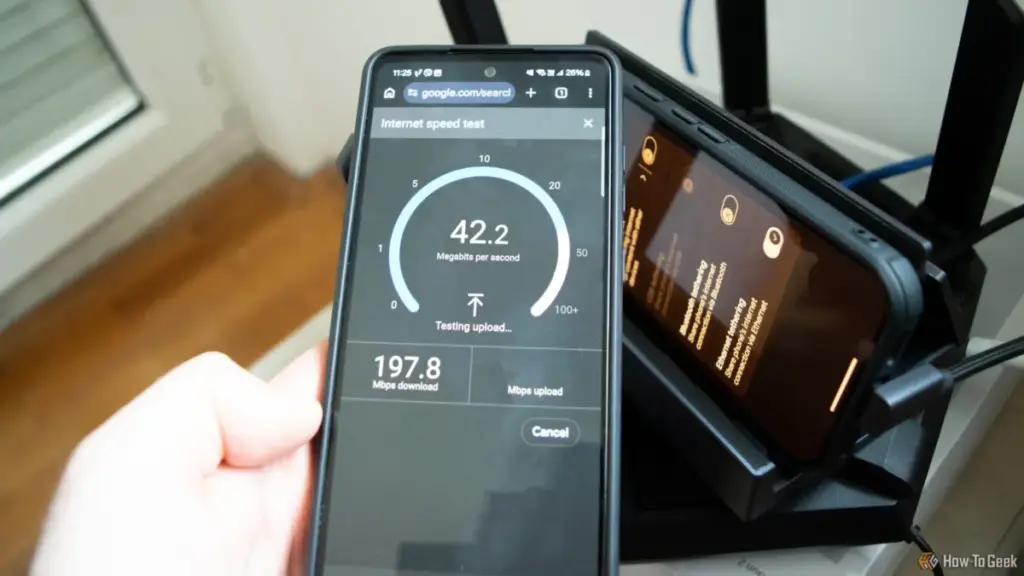
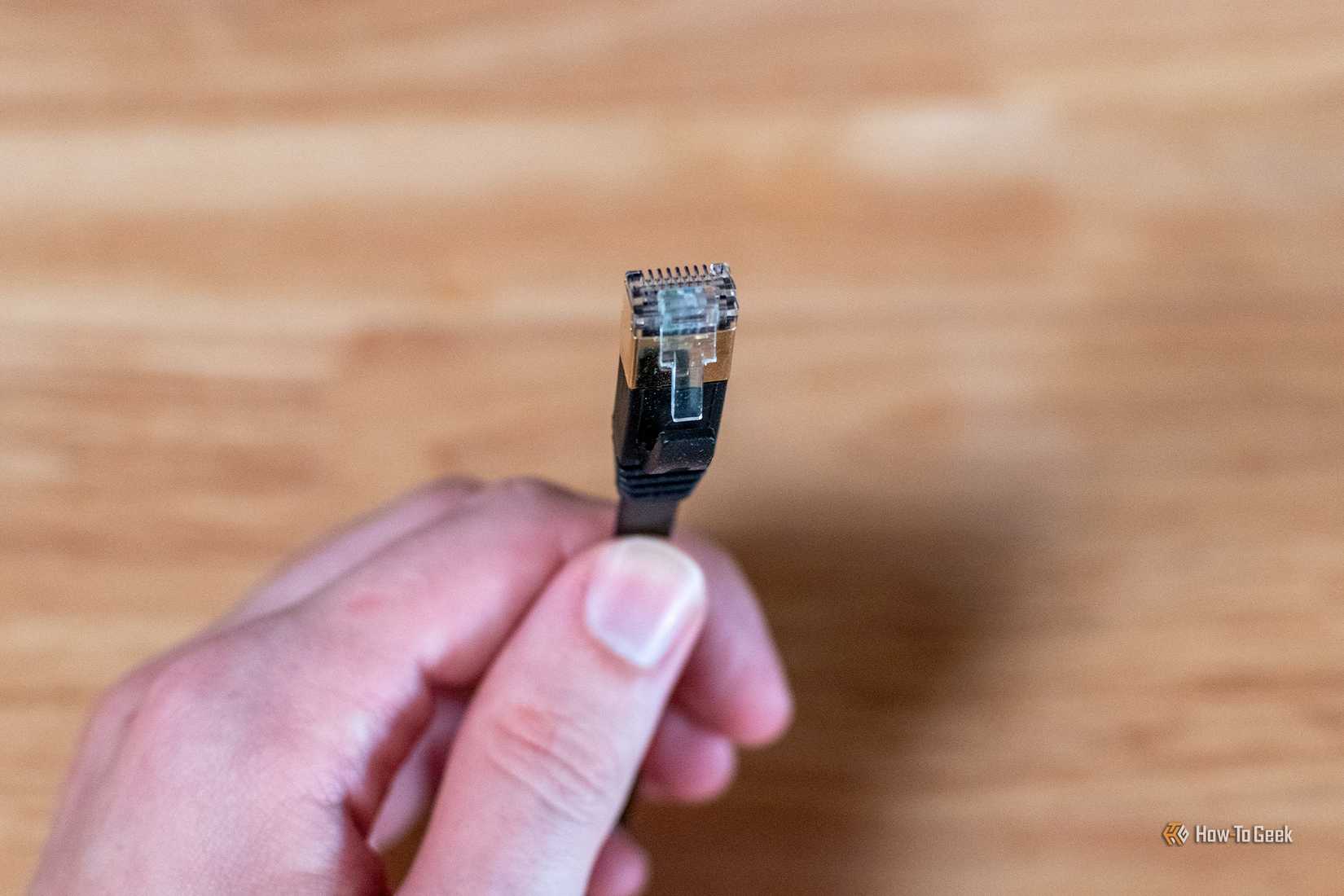
When a test finally points toward a cable issue, the solution is often simpler than the diagnosis. The most effective troubleshooting method remains the "swap test." By replacing a suspected long-run cable with a known-good, short factory-made cable, a user can instantly see if their performance improves. This is particularly relevant for long cable runs; Ethernet has a theoretical limit of 100 meters (328 feet), but poor-quality cables or those subjected to environmental stress can see signal degradation much sooner.
For those who manage a significant amount of wiring, a basic hardware cable tester—often available for a nominal price—is a worthwhile investment. These devices use a series of LED lights to verify that all eight wires are making contact and are mapped to the correct pins on both ends. While they won’t detect subtle issues like electromagnetic interference, they are perfect for catching broken wires or poorly crimped connectors.

When it comes to replacing faulty hardware, the market is often flooded with marketing jargon regarding cable categories. While Cat5e is technically capable of Gigabit speeds, Cat6 has become the recommended baseline for modern homes due to its better internal shielding and tighter twists, which allow for more reliable data transmission over longer distances.
Interestingly, tech experts often advise against the "panic-buying" of high-category cables like Cat8 for standard residential use. While Cat8 is designed for data centers and massive bandwidth, its benefits are virtually non-existent in a home environment where the hardware doesn’t support those speeds. In many cases, a well-made Cat6 cable is more than sufficient for the next decade of home networking.
A Holistic Approach to Connectivity
The takeaway for the modern consumer is that a speed test is not a universal diagnostic tool; it is a specific measurement of a specific service. It answers the question, "Is my ISP doing its job?" but it fails to answer, "Is my house doing its job?"
As internet plans continue to climb toward and beyond the Gigabit mark, the "masking" effect of slow internet plans will begin to disappear. Users with 1Gbps or 2Gbps fiber connections will notice a faulty Ethernet cable immediately because their speed tests will suddenly hit a hard wall at 100Mbps. But for the millions of users still on sub-Gigabit plans, the responsibility of monitoring hardware health remains a manual task.
By occasionally checking link speeds and utilizing local bandwidth tools like iPerf3, users can ensure that their hardware isn’t quietly sabotaging their experience. In an era where work, education, and entertainment all rely on the stability of a home network, understanding the difference between a service problem and a hardware failure is the key to maintaining a truly seamless digital life. The internet may be wireless for our phones and tablets, but for the devices that matter most, the copper wires hidden behind our desks remain the foundation—and even the strongest foundation eventually needs an inspection.
 Tech Tutorials & How-To Guides
The Great Big-Box Battle: Evaluating the Power Tool Ecosystems of Ryobi, Craftsman, and Hyper Tough
For the modern homeowner or the burgeoning DIY enthusiast, the walk down...
 Tech Tutorials & How-To Guides
Microsoft Security Reports Highlight Growing Need for Advanced Windows 11 Protection Measures
The landscape of digital security is undergoing a fundamental shift as cybercriminals...
 Tech Tutorials & How-To Guides
Unlocking the Hidden Diagnostic Power of Amazon Fire TV: A Deep Dive into Developer Tools and System Transparency
The Amazon Fire TV ecosystem has evolved from a simple portal for...






