
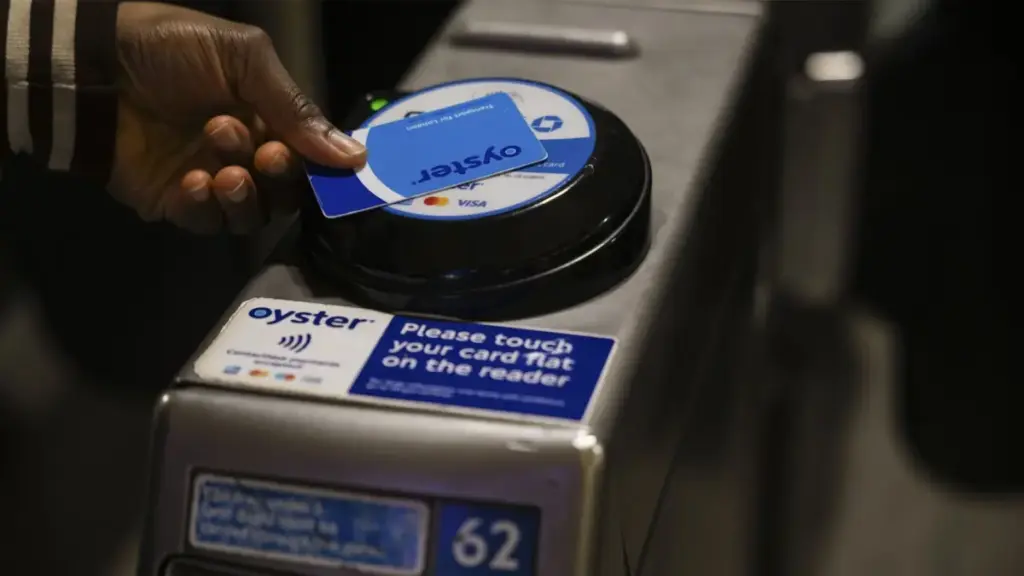
Transport for London (TfL) has confirmed that a significant cyber security incident has resulted in the unauthorized exposure of personal data belonging to more than 260,000 Oyster photocard customers. The breach, which was identified following the detection of suspicious activity within the transport operator’s digital infrastructure, has prompted an immediate investigation and the proactive suspension of several online services to prevent further compromise.
The data exposed in the incident is comprehensive, covering a wide array of personal identifiers that could potentially be leveraged by malicious actors. According to TfL, the compromised information is believed to include the full names of customers, their registered home addresses, contact telephone numbers, dates of birth, and email addresses. Most concerningly for security analysts, the breach also appears to have included the security questions and corresponding answers that users established to protect their accounts.
In the immediate aftermath of the discovery, TfL took the decisive step of taking its photocard web portal offline. This system is the primary interface for thousands of Londoners who rely on specialized travel concessions. The transport body has also initiated a formal notification process, reaching out to the specific individuals whose data was identified in the breach. Furthermore, the incident has been reported to the relevant regulatory authorities, including the Information Commissioner’s Office (ICO), which oversees data protection and privacy standards within the United Kingdom.
Despite the breadth of the personal data involved, TfL has moved to reassure the public regarding financial security. The organization stated that there is currently no evidence to suggest that any banking or payment-related information was accessed or exposed during the breach. Additionally, customer passwords and the digital photographs provided for the Oyster photocards are believed to remain secure, as they are stored using different security protocols.
A Pattern of Vulnerability in London’s Transport Infrastructure
This latest security failure marks the second major data breach for Transport for London in a span of just over two years, raising questions about the long-term cyber resilience of the city’s critical infrastructure. In September 2024, TfL was the target of a massive cyber attack that was significantly larger in scope, with reports indicating that the personal details of up to 10 million people may have been exposed after hackers gained access to a central customer database.
While the current breach involving 260,000 users is smaller in scale than the 2024 incident, the nature of the data stolen presents unique and persistent risks. Shashi Verma, TfL’s director of technology strategy and revenue, emphasized the organization’s rapid response in a statement provided to the media. Verma confirmed that the photocard website was disabled as soon as the anomaly was detected to facilitate a thorough forensic investigation.
"The protection of personal information is a priority for us, and I apologize to our customers affected by this incident," Verma stated, acknowledging the disruption and the potential anxiety caused to the traveling public.
The impact of this breach is particularly acute because of the specific demographics served by the photocard system. The affected users include holders of Zip Oyster cards, which are issued to children and students to provide free or discounted travel. The system also services veterans, individuals over the age of 60, and those with specific travel concessions. The fact that the breach involves data belonging to minors and the elderly has drawn sharp criticism from privacy advocates who argue that these groups require the highest levels of digital protection.
The Long-Term Threat of Compromised Security Questions
Cyber security professionals have expressed deep concern over the specific types of data harvested in this attack. Nathan Davies-Webb, a principal consultant at Acumen Cyber, pointed out that while names and addresses are standard targets for data thieves, the theft of security questions and answers represents a much more durable threat to the victims.
"The most concerning element of this is the report that the data contains security questions and their answers," Davies-Webb noted. He explained that this information is particularly dangerous because many people reuse the same security themes across multiple platforms. Whether it is the name of a first pet, a mother’s maiden name, or the name of a first school, these are static facts of a person’s life that do not change over time.
"This matters because organizations share themes in their security questions; it’s why there’s an industry joke about ‘asking for your mother’s maiden name’," he added. Because this information remains true for the victim’s entire life, the stolen data does not "expire" in the same way a password might. Threat actors can store this information for years, eventually using it to bypass security hurdles on banking websites, email accounts, or government portals that utilize similar authentication methods.
Furthermore, the availability of such detailed personal profiles allows for the creation of highly sophisticated social engineering and phishing attacks. When a fraudster contacts a victim, they can "volunteer" specific details—such as the victim’s date of birth or the answer to their security question—to build a false sense of legitimacy. This "show of faith" often leads victims to lower their guard, making them more likely to hand over financial information or grant remote access to their devices.
Duty of Care and the Risk to Vulnerable Populations
The recurring nature of these incidents at TfL has led to calls for more robust oversight. Brian Higgins, a security specialist at Comparitech, highlighted the ethical implications of the breach, particularly given that the Zip and photocard schemes are designed to assist vulnerable members of society, such as care leavers and those on fixed incomes.
"It’s vital they understand how to protect themselves after a breach like this and TfL have a duty of care to ensure that they receive the best advice as swiftly as possible, especially since this has happened before," Higgins commented. He noted that while the ICO may have previously found no actionable wrongdoing on TfL’s part in past incidents, that provides little comfort to those whose privacy has been compromised for a second time.
The transport operator now faces the dual challenge of restoring its digital services while rebuilding public trust. The photocard website remains a vital tool for Londoners to manage their travel costs, and its absence creates a logistical hurdle for those needing to renew or apply for concessions. TfL has not yet provided a definitive timeline for when the site will return to full functionality, stating only that the investigation is ongoing.
As the investigation continues, security experts are advising all TfL customers—regardless of whether they have been contacted yet—to remain vigilant. The primary advice involves being skeptical of any unsolicited communications, whether via email, SMS, or telephone, that claim to be from TfL, a bank, or a government agency. Users are also encouraged to update their security questions on other sensitive accounts if they have used the same answers that were registered with their Oyster photocard account.
The Information Commissioner’s Office will likely examine whether TfL’s security measures were commensurate with the sensitivity of the data being held, particularly given the previous breach in 2024. Under UK GDPR, organizations are required to implement appropriate technical and organizational measures to ensure a level of security appropriate to the risk.
For now, the focus remains on containment and communication. As one of the world’s most complex transport networks, TfL is a high-value target for cyber criminals. This latest incident serves as a stark reminder that in the age of digital infrastructure, the security of the data behind the journey is just as critical as the safety of the journey itself.
FOLLOW US ON SOCIAL MEDIA
Follow ITPro on Google News and add us as a preferred source to keep tabs on all our latest news, analysis, views, and reviews.
You can also follow ITPro on LinkedIn, X, Facebook, and BlueSky.
 Helpdesk & IT Service Management (ITSM)
Hammer Distribution and Acronis Announce Strategic UK Partnership to Address Growing MSP Complexity and Cyber Threats
Hammer Distribution has officially announced a significant new strategic partnership with Acronis,...
 Helpdesk & IT Service Management (ITSM)
Enterprises Grapple with Unintended Consequences as Half of Organizations Report Unauthorized AI Agent Actions
The rapid integration of agentic artificial intelligence into the modern enterprise has...
 Helpdesk & IT Service Management (ITSM)
The AI Productivity Paradox: Why Faster Coding is Failing to Accelerate the Software Development Lifecycle
The integration of artificial intelligence into the software development process was heralded...







