
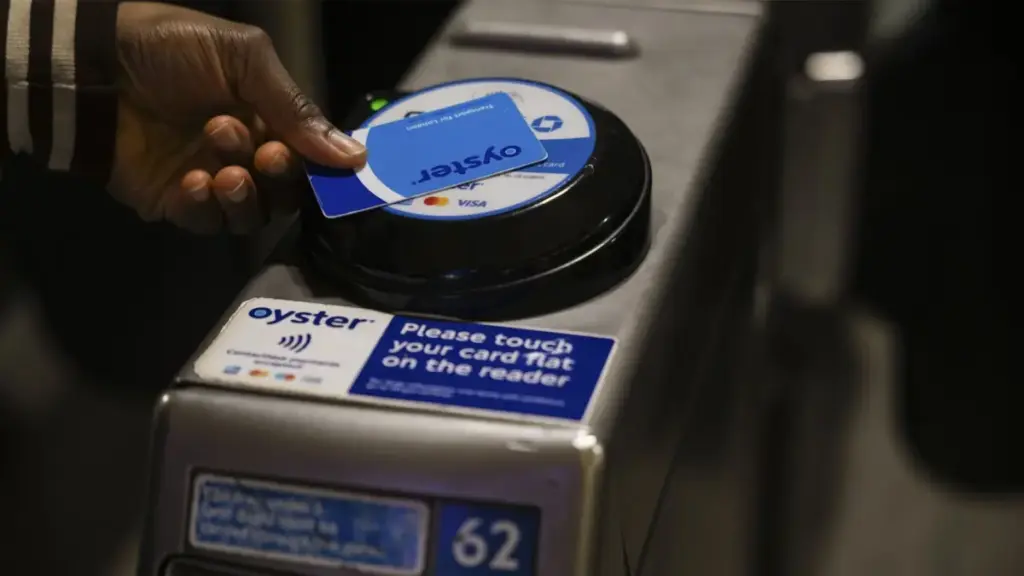
The impact of this breach is particularly acute because of the specific demographics served by the photocard system. The affected users include holders of Zip Oyster cards, which are issued to children and students to provide free or discounted travel. The system also services veterans, individuals over the age of 60, and those with specific travel concessions. The fact that the breach involves data belonging to minors and the elderly has drawn sharp criticism from privacy advocates who argue that these groups require the highest levels of digital protection.
The Long-Term Threat of Compromised Security Questions
Cyber security professionals have expressed deep concern over the specific types of data harvested in this attack. Nathan Davies-Webb, a principal consultant at Acumen Cyber, pointed out that while names and addresses are standard targets for data thieves, the theft of security questions and answers represents a much more durable threat to the victims.
"The most concerning element of this is the report that the data contains security questions and their answers," Davies-Webb noted. He explained that this information is particularly dangerous because many people reuse the same security themes across multiple platforms. Whether it is the name of a first pet, a mother’s maiden name, or the name of a first school, these are static facts of a person’s life that do not change over time.
"This matters because organizations share themes in their security questions; it’s why there’s an industry joke about ‘asking for your mother’s maiden name’," he added. Because this information remains true for the victim’s entire life, the stolen data does not "expire" in the same way a password might. Threat actors can store this information for years, eventually using it to bypass security hurdles on banking websites, email accounts, or government portals that utilize similar authentication methods.
Furthermore, the availability of such detailed personal profiles allows for the creation of highly sophisticated social engineering and phishing attacks. When a fraudster contacts a victim, they can "volunteer" specific details—such as the victim’s date of birth or the answer to their security question—to build a false sense of legitimacy. This "show of faith" often leads victims to lower their guard, making them more likely to hand over financial information or grant remote access to their devices.
Duty of Care and the Risk to Vulnerable Populations
The recurring nature of these incidents at TfL has led to calls for more robust oversight. Brian Higgins, a security specialist at Comparitech, highlighted the ethical implications of the breach, particularly given that the Zip and photocard schemes are designed to assist vulnerable members of society, such as care leavers and those on fixed incomes.
"It’s vital they understand how to protect themselves after a breach like this and TfL have a duty of care to ensure that they receive the best advice as swiftly as possible, especially since this has happened before," Higgins commented. He noted that while the ICO may have previously found no actionable wrongdoing on TfL’s part in past incidents, that provides little comfort to those whose privacy has been compromised for a second time.
 Helpdesk & IT Service Management (ITSM)
11:11 Systems Taps Marc Beder to Lead EMEA Expansion as Managed Infrastructure Demand Surges
11:11 Systems, a prominent global provider of managed infrastructure solutions, has announced...
 Helpdesk & IT Service Management (ITSM)
Anthropic and Akamai Ink Landmark $11.6 Billion Compute Partnership to Fuel Long-Term AI Infrastructure Growth
In a move that underscores the staggering capital requirements of the generative...
 Helpdesk & IT Service Management (ITSM)
The Changing Face of Code: Software Developers Express Growing Anxiety Over AI Integration and the ‘Verification Tax’
The rapid integration of artificial intelligence into the software development lifecycle has...







