
In the corners of many modern households, there exists a quiet graveyard of high-quality engineering. It is found in the bulky but vibrant monitors of the late 2000s, the heavy, wood-paneled speakers that once anchored living rooms, and the high-definition televisions that, while physically pristine, have been rendered "dumb" by the relentless march of software updates. These devices often share a common tragedy: their mechanical and electrical components remain perfectly functional, yet they have been outpaced by the digital ecosystems they were designed to inhabit.
The conventional response to this technological aging is a trip to the local electronics retailer to purchase the latest "smart" iteration of the same device. These modern replacements come with the promise of seamless connectivity and integrated artificial intelligence. However, as many consumers are discovering, these upgrades often come with a hidden cost that extends far beyond the price tag. Modern smart devices are increasingly characterized by software bloat, vendor lock-in, intrusive advertising, and mandatory account requirements that strip the user of autonomy.
Fortunately, a movement is growing among tech-conscious consumers to bypass this cycle of planned obsolescence. By using the Raspberry Pi—a versatile, credit-card-sized computer—it is becoming increasingly possible to breathe new life into vintage hardware. This approach allows users to create bespoke smart devices that offer modern functionality without the ethical and technical compromises inherent in off-the-shelf "smart" products.
What does a Pi do for old gadgets?
To understand how a Raspberry Pi can revitalize an aging gadget, one must first understand the fundamental architecture of modern consumer electronics. Almost every "smart" device on the market today is essentially a traditional appliance wrapped around a small, dedicated computer. In a smart refrigerator, that computer might be a rudimentary controller; in a high-end smart TV, it is often a processor comparable in power to those found in mid-range smartphones.
The Raspberry Pi serves as a modular replacement for these internal "brains." Because the Pi is a fully realized computer running a variety of Linux-based operating systems, it can handle the networking, processing, and interface tasks that the original hardware was never designed to manage. This transformation does not require a massive financial investment or advanced engineering skills. The Raspberry Pi lineup offers a spectrum of power and price points tailored to different needs.

The Pi becomes the brain
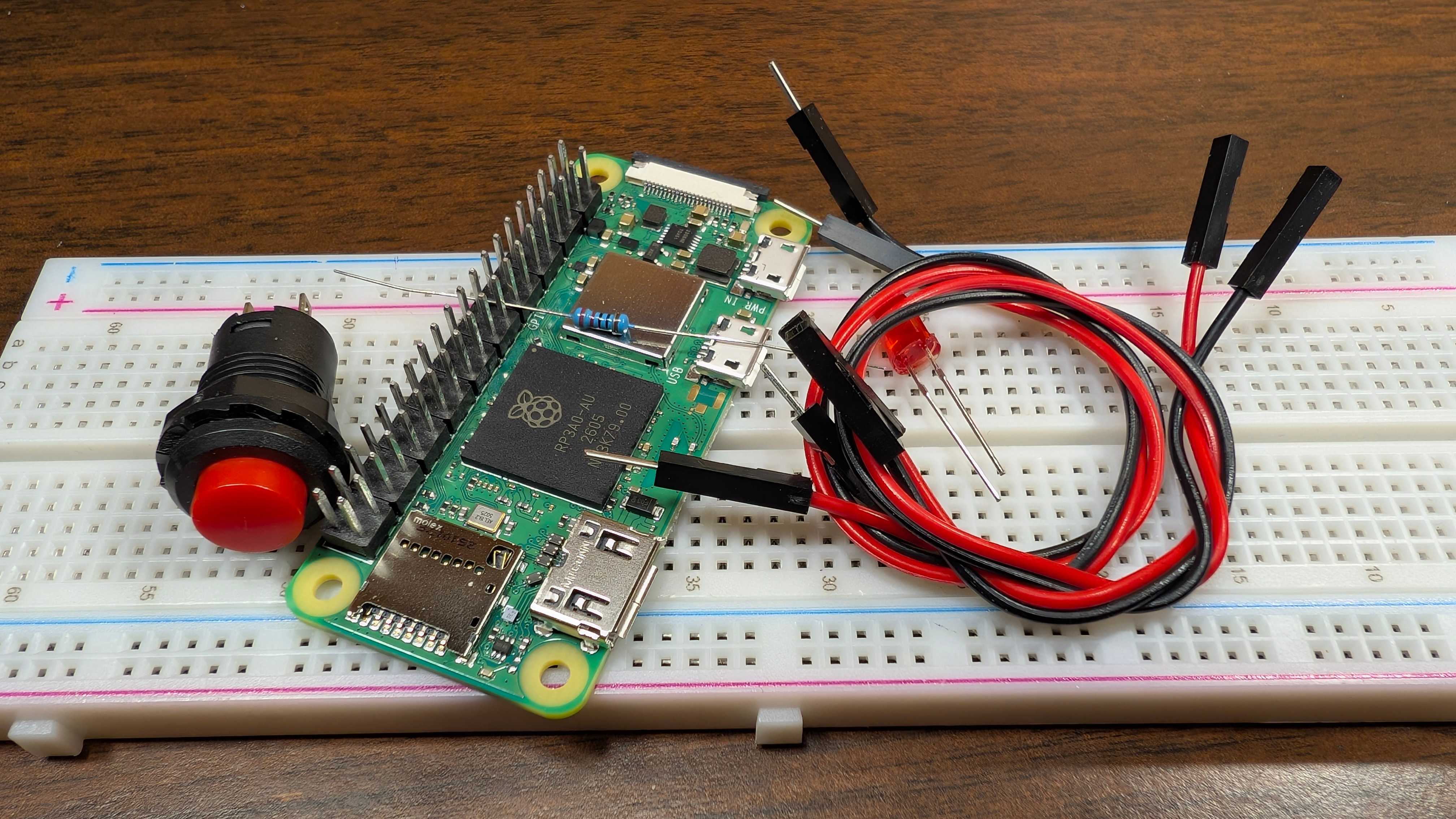
The versatility of the Raspberry Pi hardware family is key to its role as a universal "brain." For simpler tasks, such as adding internet connectivity to a refrigerator or creating a notification system for an old washing machine, the Raspberry Pi Zero 2 W provides more than enough processing power in a form factor smaller than a stick of gum. For more demanding applications, such as driving a 4K media center or managing a complex home automation hub, the flagship Raspberry Pi 5 offers the performance necessary to handle high-bitrate video and multi-threaded applications.
These small boards provide the essential bridge between the physical world and the digital one. They offer built-in Wi-Fi and Bluetooth connectivity, along with a wide array of General Purpose Input/Output (GPIO) pins that can be used to sense button presses or trigger relays in old hardware. This allows a hobbyist to take a device that was built before the era of the smartphone and give it the ability to communicate with a modern home network.
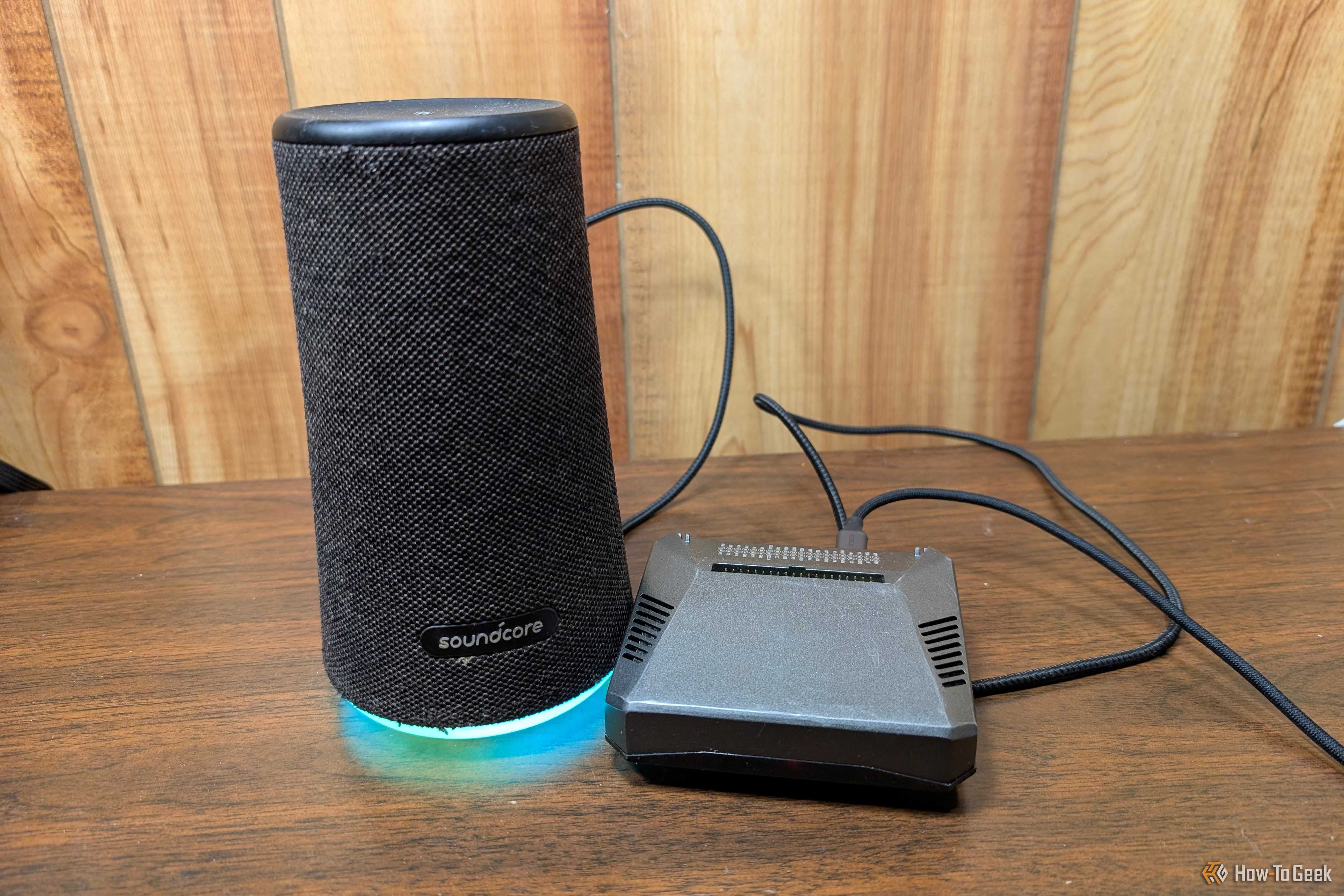
The impact is perhaps most noticeable in the world of high-fidelity audio. While modern smart speakers are convenient, they often sacrifice audio quality for the sake of integrated "smart" features. In contrast, passive speakers and high-quality analog amplifiers from decades past remain gold standards for sound reproduction. By pairing a Raspberry Pi with a high-quality external Digital-to-Analog Converter (DAC), users can create a streaming audio setup that frequently outperforms expensive, brand-name smart speakers. The Pi handles the streaming protocols—be it AirPlay, Spotify Connect, or local FLAC files—while the vintage hardware handles the actual movement of air, resulting in a superior listening experience.
Similarly, the Raspberry Pi has become a lifeline for enthusiasts of older visual technology. Cathode Ray Tube (CRT) televisions and early professional monitors are currently seeing a resurgence in popularity, particularly among the gaming community. These "outdated" displays offer a lack of input latency that only the most expensive modern OLED panels can match, alongside a specific aesthetic quality that modern upscaling struggles to replicate. A Raspberry Pi can serve as a sophisticated bridge for these displays, allowing them to interface with modern media while preserving the nostalgic "feel" of the original hardware.
You only get the features you want
One of the most significant frustrations of the modern consumer landscape is the lack of agency. When a consumer purchases a new smart TV or an Audio-Video Receiver (AVR), they are essentially buying into a closed ecosystem. The software that runs the device is determined by the manufacturer, and the user has very little say in how that software evolves or what data it collects.
A new smart device gives you few choices
In the current market, buying hardware means accepting a specific software fate. If you purchase a television, you are likely locked into Roku, Google TV, or a proprietary manufacturer OS like Samsung’s Tizen or LG’s webOS. These platforms are increasingly becoming "ad-delivery vehicles" first and interfaces second. Users find themselves navigating through rows of "sponsored content" just to reach the apps they actually pay for. Furthermore, these platforms can—and often do—remove features or change the user interface via forced updates, sometimes making the hardware slower or more difficult to use over time.
The Raspberry Pi flips this power dynamic. When the Pi acts as the interface for your hardware, you are no longer a passive consumer of a manufacturer’s software strategy; you are the administrator of your own system. The choice of operating system is entirely in the hands of the user.
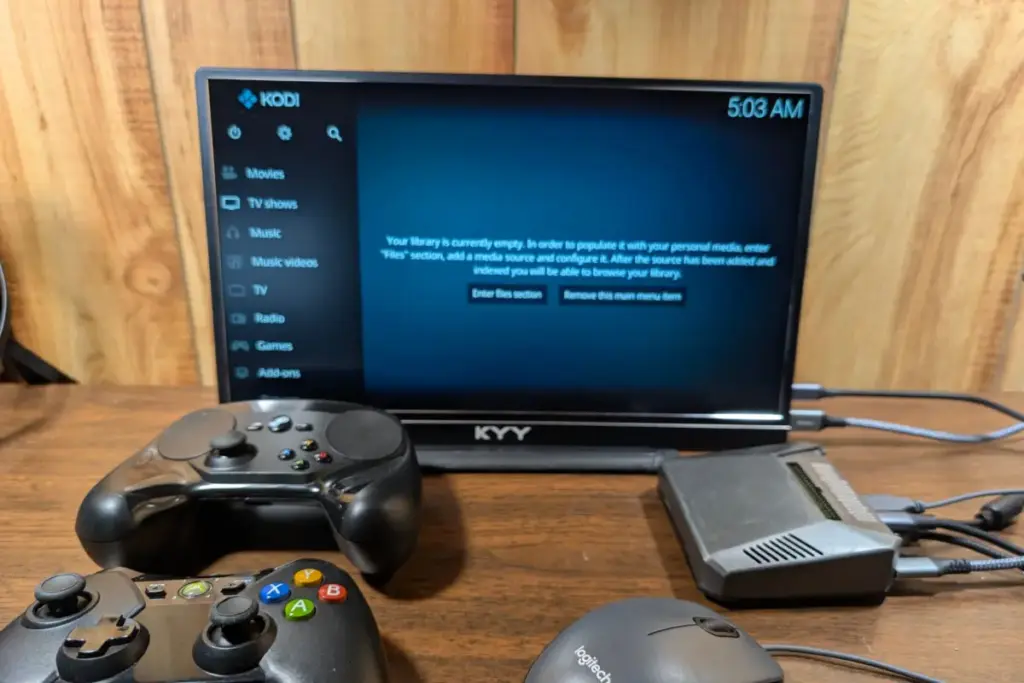
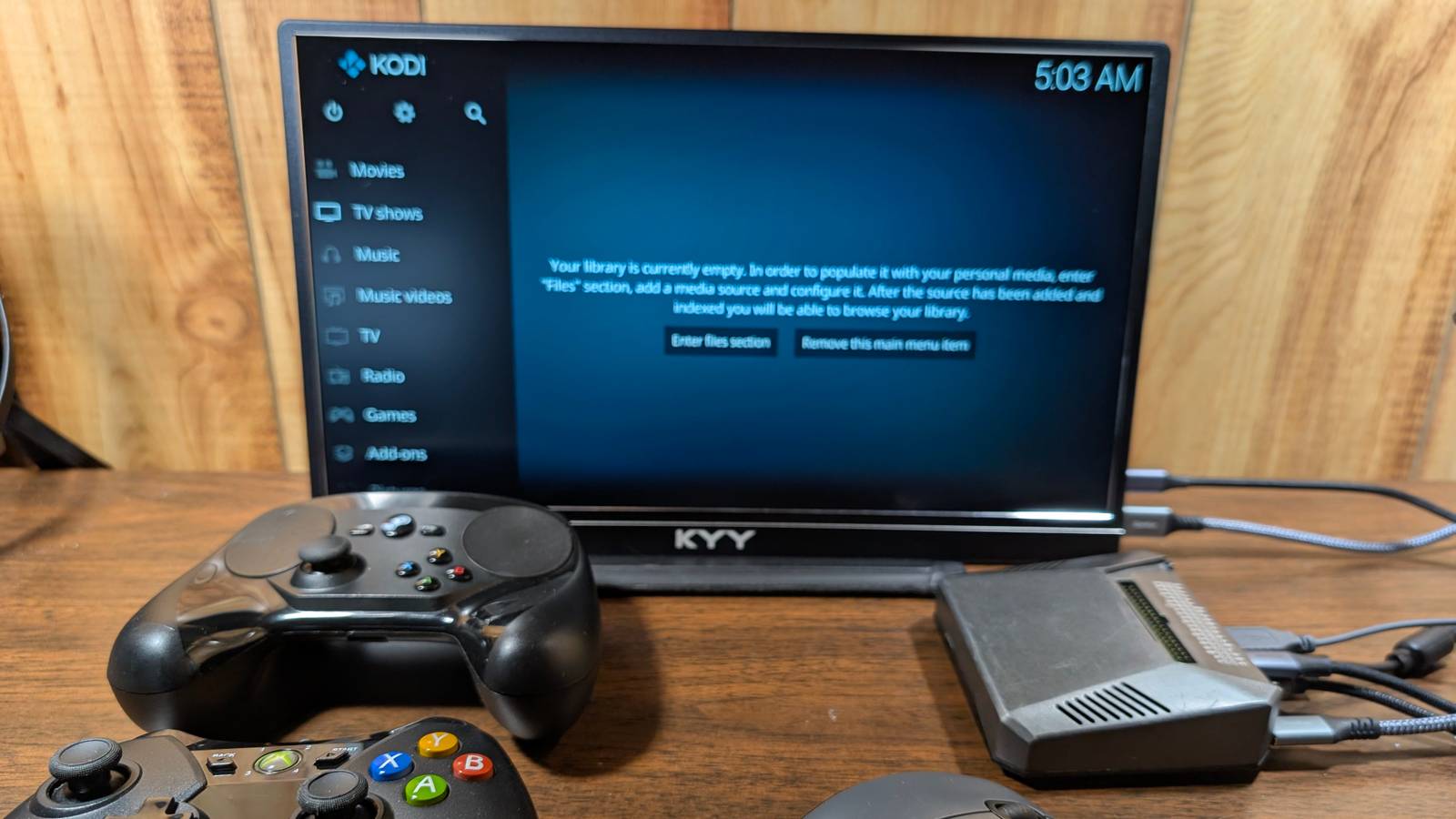
For those looking to create a high-end home theater experience, specialized distributions like LibreELEC provide a lightweight, "just enough OS" environment for running Kodi, a powerful and highly customizable media center. If the goal is gaming, distributions like Batocera or RetroPie turn the Pi into a comprehensive library for decades of gaming history, complete with custom themes and metadata scraping.
Beyond these specialized uses, the open-source nature of the Linux ecosystem means that a Pi can be transformed into almost anything. It can serve as a network-wide ad blocker (Pi-hole), a dedicated music server (Volumio), or even a DIY head unit for a vehicle. The ability to "mix and match" services is a level of flexibility that no commercial smart device can offer. If a specific application doesn’t exist to meet a unique need, the rise of AI-assisted coding tools like Claude and ChatGPT has made it possible for even those with limited programming experience to "vibe code" custom solutions, creating bespoke software that does exactly what the user requires and nothing more.
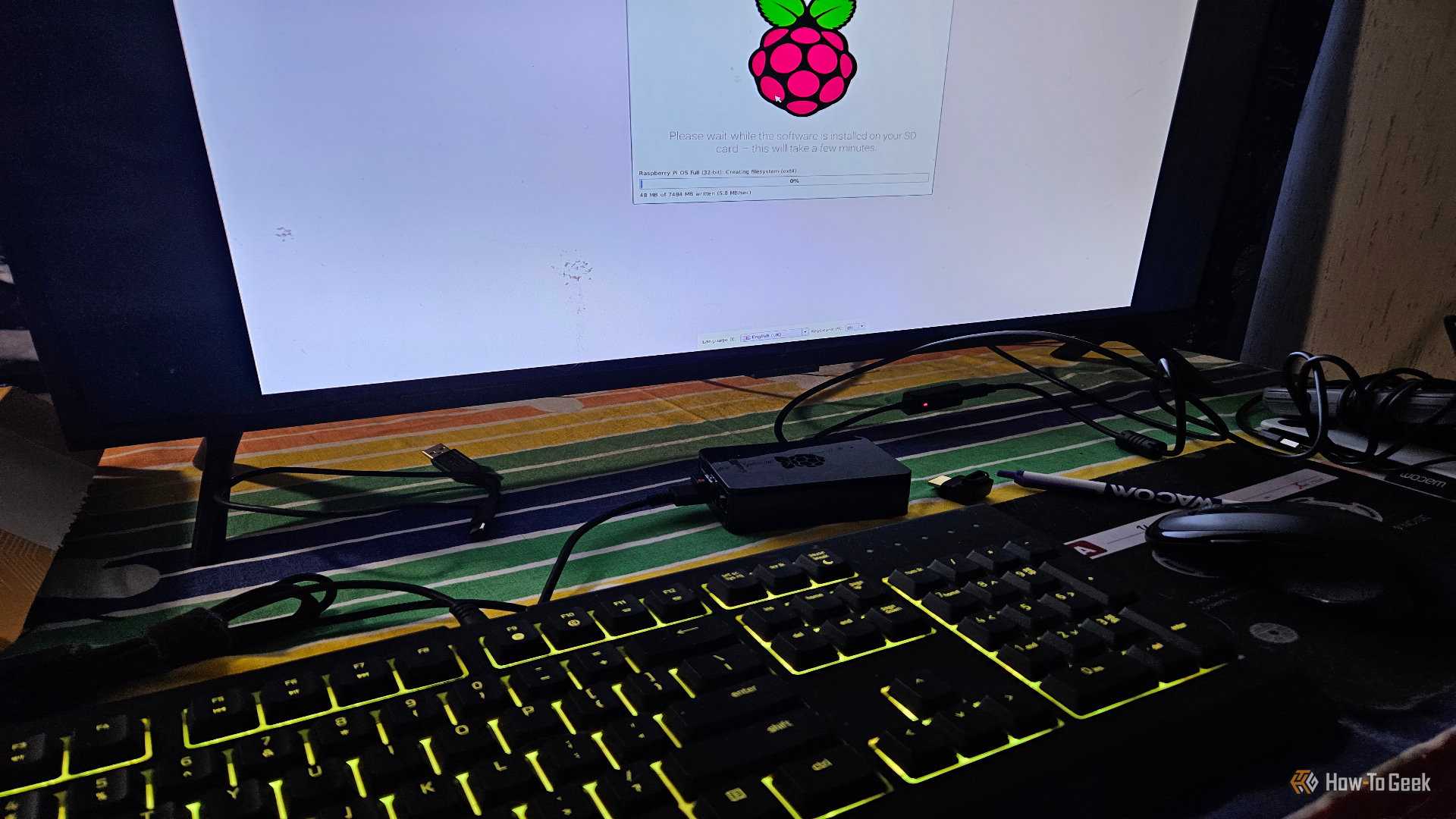
You regain your privacy
Perhaps the most compelling argument for the DIY "smart" approach is the restoration of digital privacy. In the modern tech economy, data is often more valuable than the hardware itself. This has led to a disturbing trend where "smart" devices act as silent observers in the home, tracking user habits and preferences to build lucrative advertising profiles.
No ads, tracking, or subscriptions baked in
The modern smart TV is the most egregious example of this trend. Most contemporary sets utilize a technology called Automatic Content Recognition (ACR). This system works by "fingerprinting" the pixels on the screen several times a second, allowing the TV to know exactly what the user is watching—whether it is a streaming service, a cable broadcast, or even a local Blu-ray disc. This data is then sold to advertisers and data brokers. Because this tracking happens at the hardware level, it can even capture content coming through an HDMI connection from an external player.
Beyond TVs, many smart home devices now require a constant connection to the manufacturer’s servers to function, often accompanied by "telemetry" that tracks how often a device is used and in what manner. In some cases, manufacturers have even moved basic features behind subscription paywalls long after the customer has purchased the device.
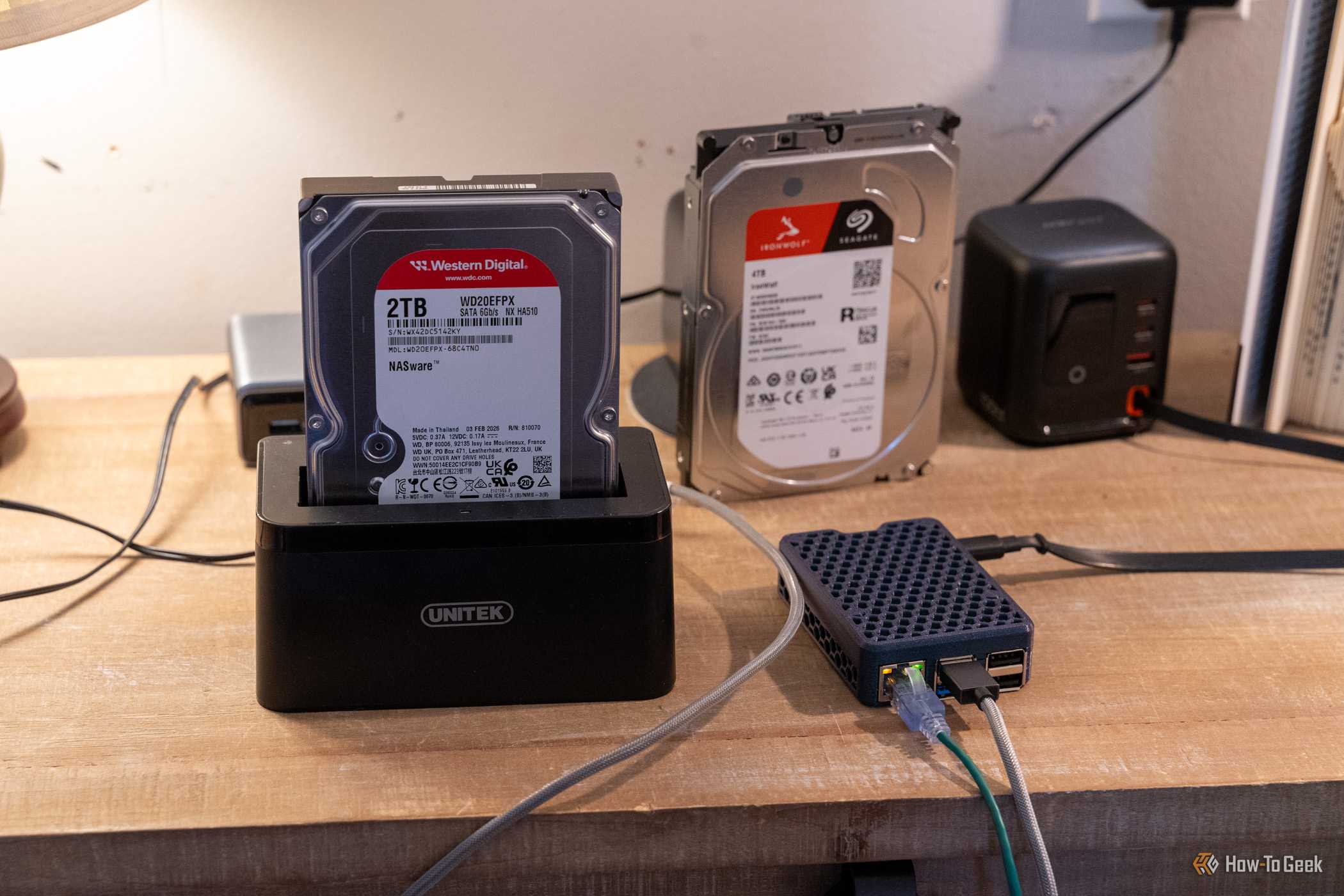
By using a Raspberry Pi, the user effectively severs this data pipeline. Open-source operating systems and applications are generally built with a "privacy-first" ethos. They do not include ACR, they do not inject ads into the home screen, and they do not require the user to sign in with a corporate account just to access the device’s basic functions.
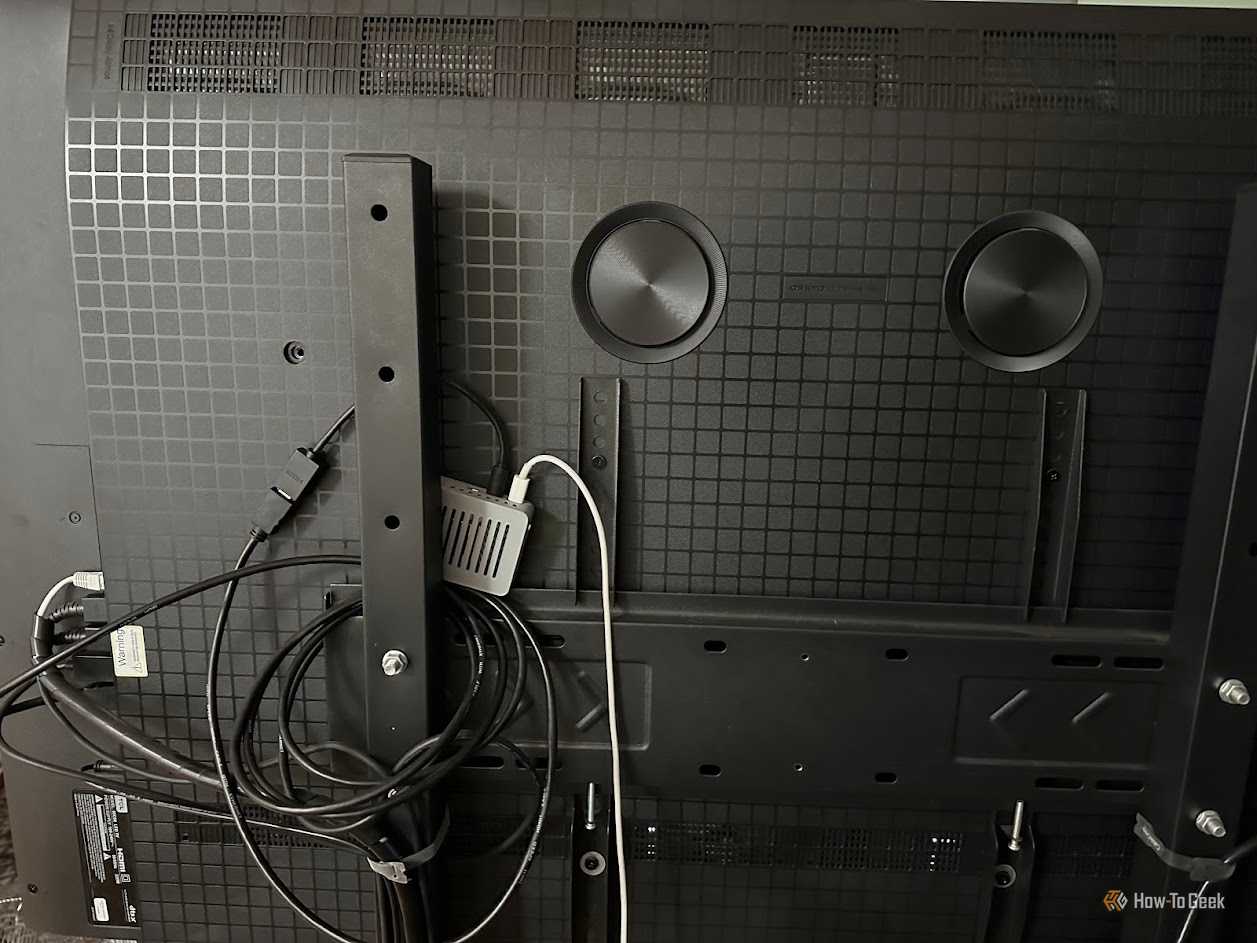
While it is important to note that simply plugging a Pi into a smart TV does not automatically stop the TV’s internal tracking, it does provide a viable alternative interface. By keeping the smart TV itself disconnected from the internet and using the Raspberry Pi as the sole source of content, users can enjoy a modern, connected experience while remaining invisible to the data harvesters.
The best upgrade might be gathering dust in your closet
The era of being beholden to the whims of a manufacturer’s software department is beginning to wane. As the Raspberry Pi continues to evolve in power and accessibility, the incentive to replace perfectly good hardware with "smart" alternatives diminishes. The most sustainable and private upgrade path for many may not be found in a glossy new box at a big-box retailer, but in the repurposing of the reliable gear already sitting in our homes.
Through the creative application of these small, inexpensive computers, the "dumb" gadgets of the past are being transformed into the most intelligent devices in the house—intelligent not because they are powered by corporate AI, but because they have been reclaimed by the people who own them. The future of home technology may not be about buying more, but about unlocking the latent potential of what we already have.
 Tech Tutorials & How-To Guides
Battle of the Store Brands: How Ryobi, Craftsman, and Hyper Tough Reshape the DIY Power Tool Market
In the modern landscape of home improvement, the barrier to entry for...
 Tech Tutorials & How-To Guides
Unlocking the Ethernet Utopia: How Existing Home Infrastructure Can Solve Modern Wi-Fi Instability
In an era where high-speed internet is as essential as electricity or...
 Tech Tutorials & How-To Guides
The DIY iPod: How a Forgotten Smart Home Remote Resurrected Apple’s Iconic Cover Flow
In the annals of personal technology, few interfaces have evoked as much...







