
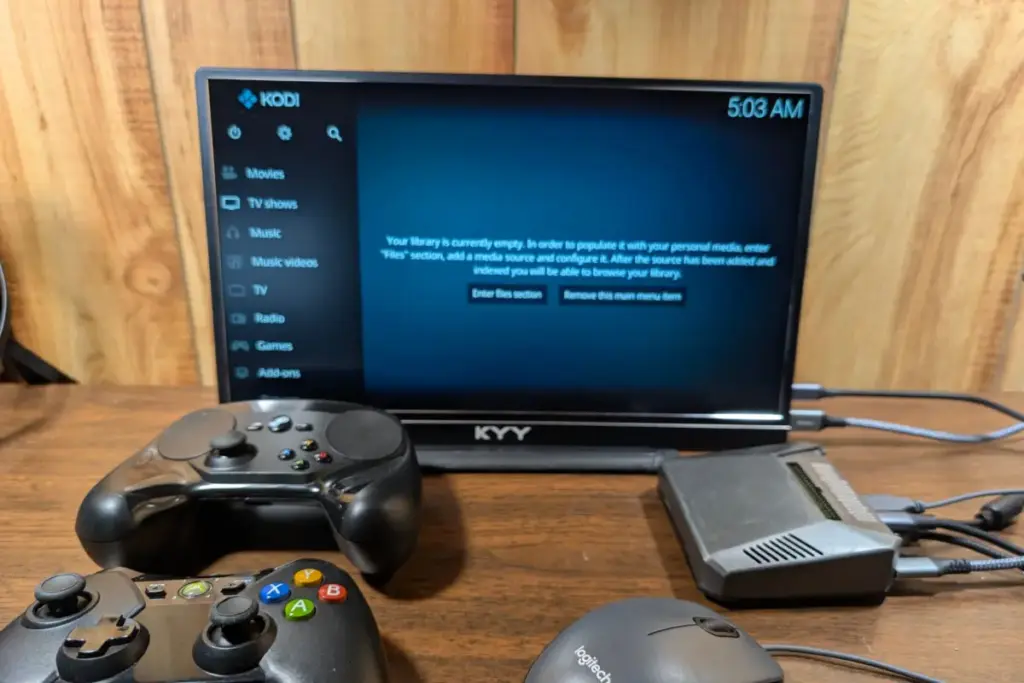
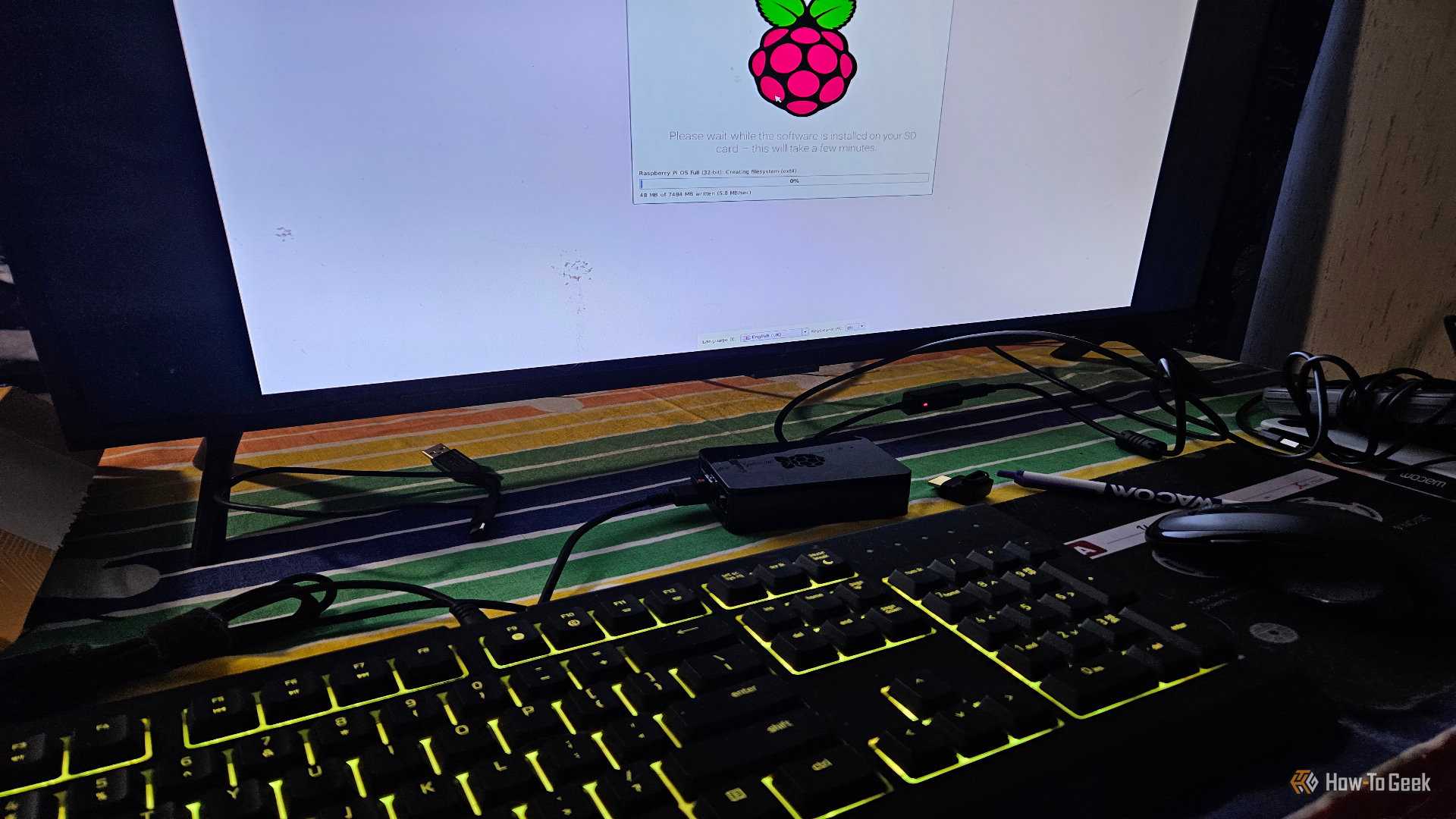
You regain your privacy
Perhaps the most compelling argument for the DIY "smart" approach is the restoration of digital privacy. In the modern tech economy, data is often more valuable than the hardware itself. This has led to a disturbing trend where "smart" devices act as silent observers in the home, tracking user habits and preferences to build lucrative advertising profiles.
No ads, tracking, or subscriptions baked in
The modern smart TV is the most egregious example of this trend. Most contemporary sets utilize a technology called Automatic Content Recognition (ACR). This system works by "fingerprinting" the pixels on the screen several times a second, allowing the TV to know exactly what the user is watching—whether it is a streaming service, a cable broadcast, or even a local Blu-ray disc. This data is then sold to advertisers and data brokers. Because this tracking happens at the hardware level, it can even capture content coming through an HDMI connection from an external player.
Beyond TVs, many smart home devices now require a constant connection to the manufacturer’s servers to function, often accompanied by "telemetry" that tracks how often a device is used and in what manner. In some cases, manufacturers have even moved basic features behind subscription paywalls long after the customer has purchased the device.
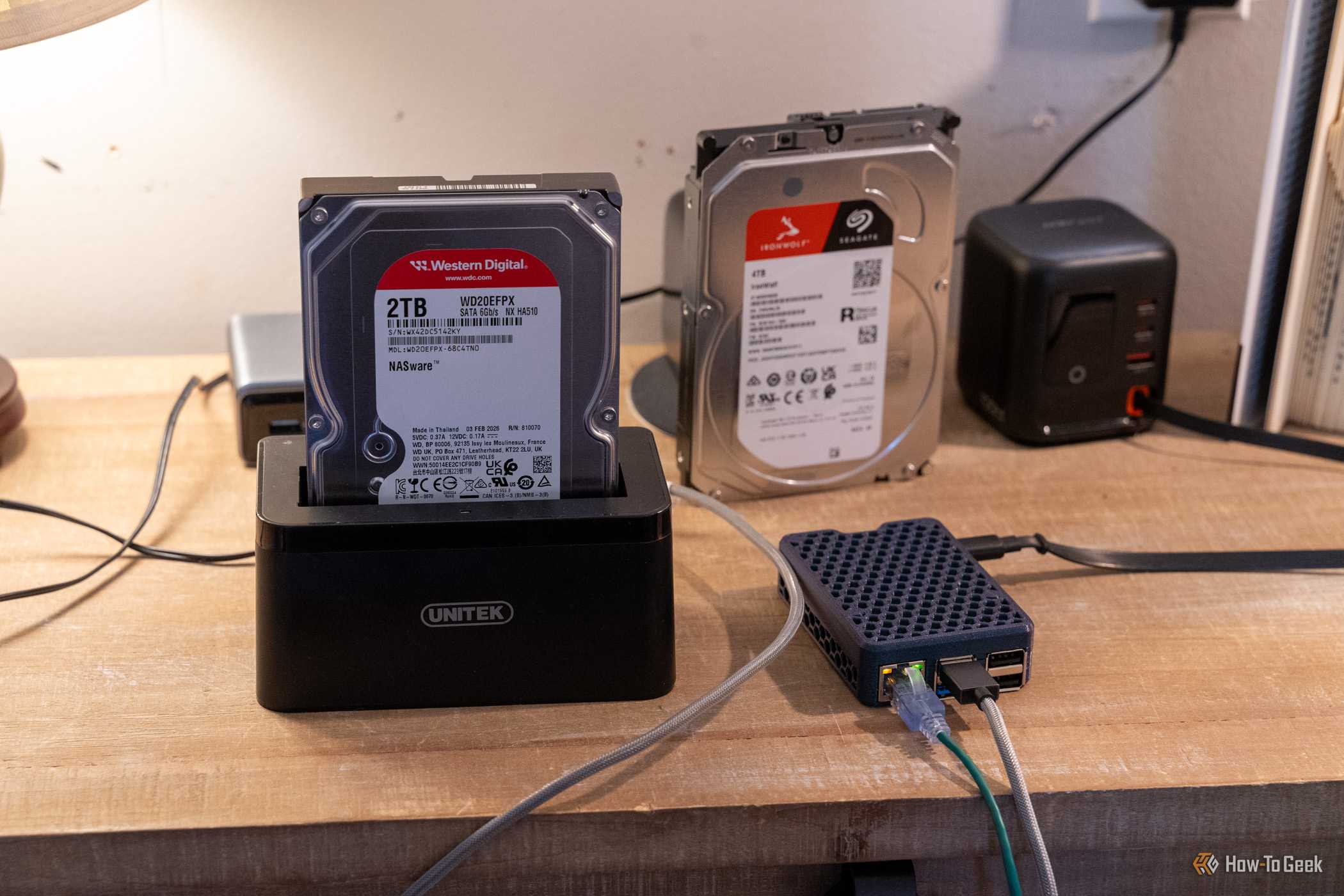
By using a Raspberry Pi, the user effectively severs this data pipeline. Open-source operating systems and applications are generally built with a "privacy-first" ethos. They do not include ACR, they do not inject ads into the home screen, and they do not require the user to sign in with a corporate account just to access the device’s basic functions.
While it is important to note that simply plugging a Pi into a smart TV does not automatically stop the TV’s internal tracking, it does provide a viable alternative interface. By keeping the smart TV itself disconnected from the internet and using the Raspberry Pi as the sole source of content, users can enjoy a modern, connected experience while remaining invisible to the data harvesters.
The best upgrade might be gathering dust in your closet
The era of being beholden to the whims of a manufacturer’s software department is beginning to wane. As the Raspberry Pi continues to evolve in power and accessibility, the incentive to replace perfectly good hardware with "smart" alternatives diminishes. The most sustainable and private upgrade path for many may not be found in a glossy new box at a big-box retailer, but in the repurposing of the reliable gear already sitting in our homes.
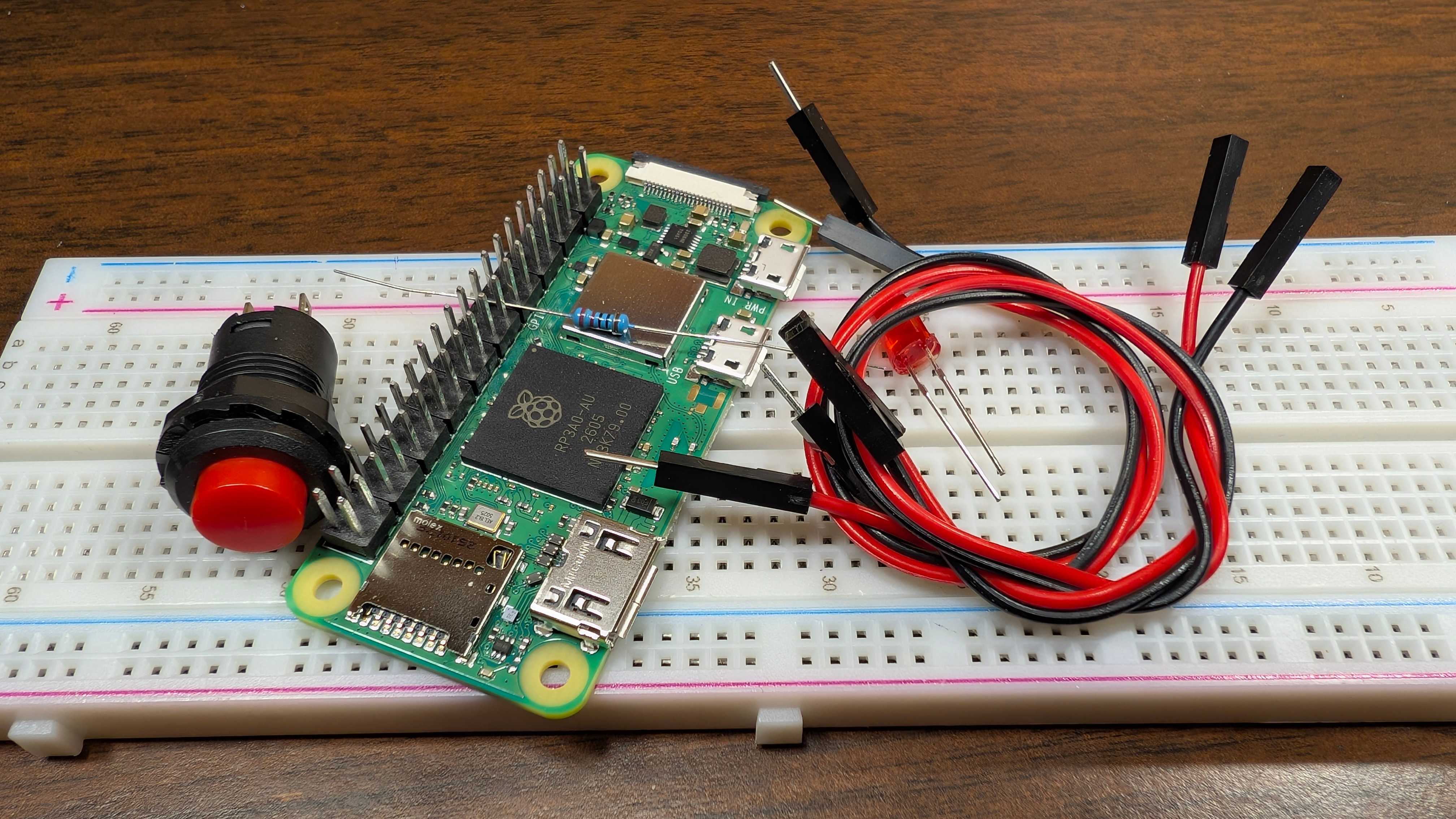
Through the creative application of these small, inexpensive computers, the "dumb" gadgets of the past are being transformed into the most intelligent devices in the house—intelligent not because they are powered by corporate AI, but because they have been reclaimed by the people who own them. The future of home technology may not be about buying more, but about unlocking the latent potential of what we already have.
 Tech Tutorials & How-To Guides
Netflix Expands October Streaming Lineup With High-Stakes Sports Dramas and Darkly Humorous Animation
As the autumn chill settles in and the evening air turns crisp,...
 Tech Tutorials & How-To Guides
Balancing the Spooky Season: Paramount+ Highlights Comedic Classics and Dystopian Thrills This October
As the calendar turns deep into October, the cultural landscape shifts toward...
 Tech Tutorials & How-To Guides
Beyond PowerToys: How Open-Source Community Tools are Redefining Windows 11 Customization
For decades, the Windows operating system has served as a canvas for...







