
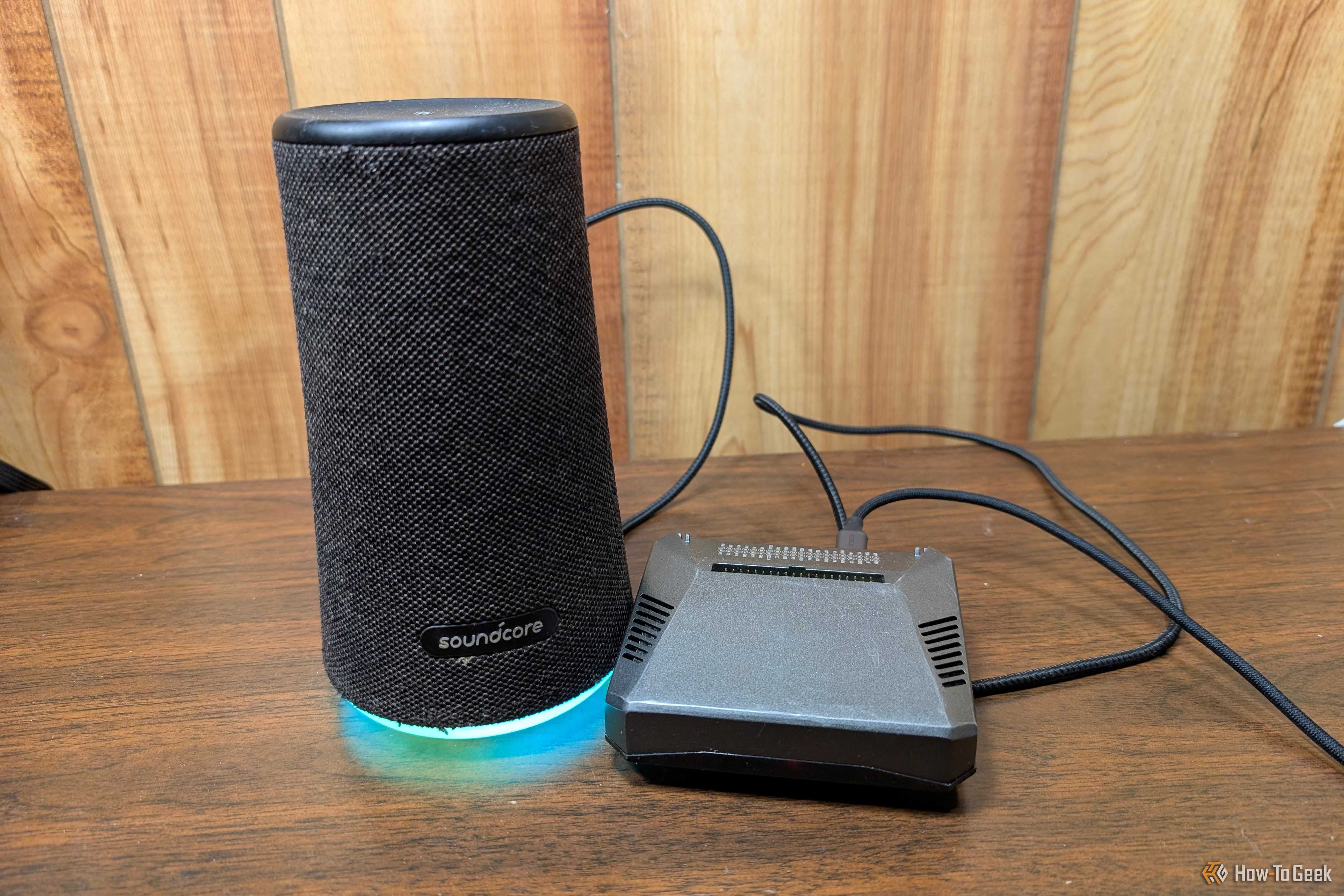
The impact is perhaps most noticeable in the world of high-fidelity audio. While modern smart speakers are convenient, they often sacrifice audio quality for the sake of integrated "smart" features. In contrast, passive speakers and high-quality analog amplifiers from decades past remain gold standards for sound reproduction. By pairing a Raspberry Pi with a high-quality external Digital-to-Analog Converter (DAC), users can create a streaming audio setup that frequently outperforms expensive, brand-name smart speakers. The Pi handles the streaming protocols—be it AirPlay, Spotify Connect, or local FLAC files—while the vintage hardware handles the actual movement of air, resulting in a superior listening experience.
Similarly, the Raspberry Pi has become a lifeline for enthusiasts of older visual technology. Cathode Ray Tube (CRT) televisions and early professional monitors are currently seeing a resurgence in popularity, particularly among the gaming community. These "outdated" displays offer a lack of input latency that only the most expensive modern OLED panels can match, alongside a specific aesthetic quality that modern upscaling struggles to replicate. A Raspberry Pi can serve as a sophisticated bridge for these displays, allowing them to interface with modern media while preserving the nostalgic "feel" of the original hardware.
You only get the features you want
One of the most significant frustrations of the modern consumer landscape is the lack of agency. When a consumer purchases a new smart TV or an Audio-Video Receiver (AVR), they are essentially buying into a closed ecosystem. The software that runs the device is determined by the manufacturer, and the user has very little say in how that software evolves or what data it collects.
A new smart device gives you few choices
In the current market, buying hardware means accepting a specific software fate. If you purchase a television, you are likely locked into Roku, Google TV, or a proprietary manufacturer OS like Samsung’s Tizen or LG’s webOS. These platforms are increasingly becoming "ad-delivery vehicles" first and interfaces second. Users find themselves navigating through rows of "sponsored content" just to reach the apps they actually pay for. Furthermore, these platforms can—and often do—remove features or change the user interface via forced updates, sometimes making the hardware slower or more difficult to use over time.
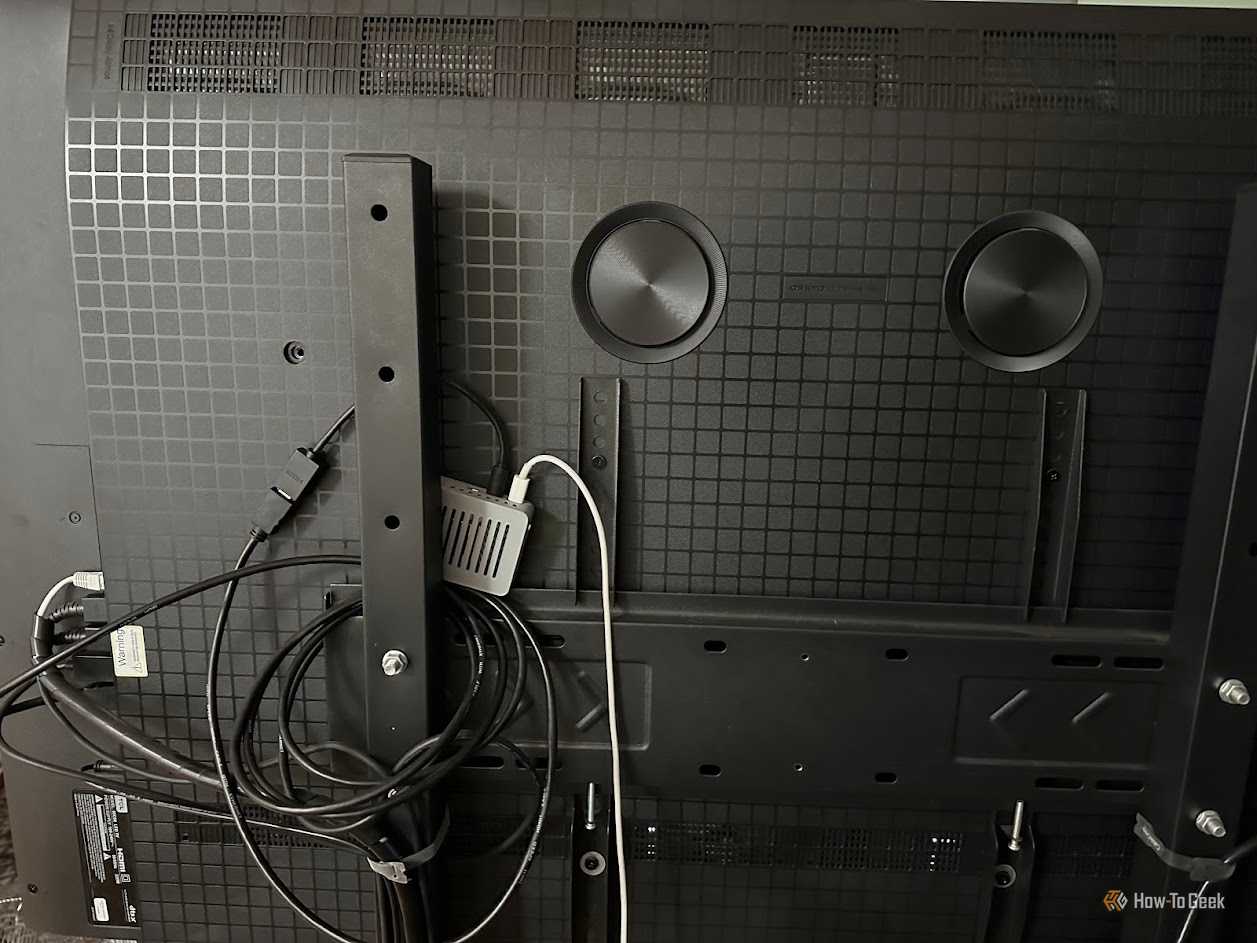
The Raspberry Pi flips this power dynamic. When the Pi acts as the interface for your hardware, you are no longer a passive consumer of a manufacturer’s software strategy; you are the administrator of your own system. The choice of operating system is entirely in the hands of the user.
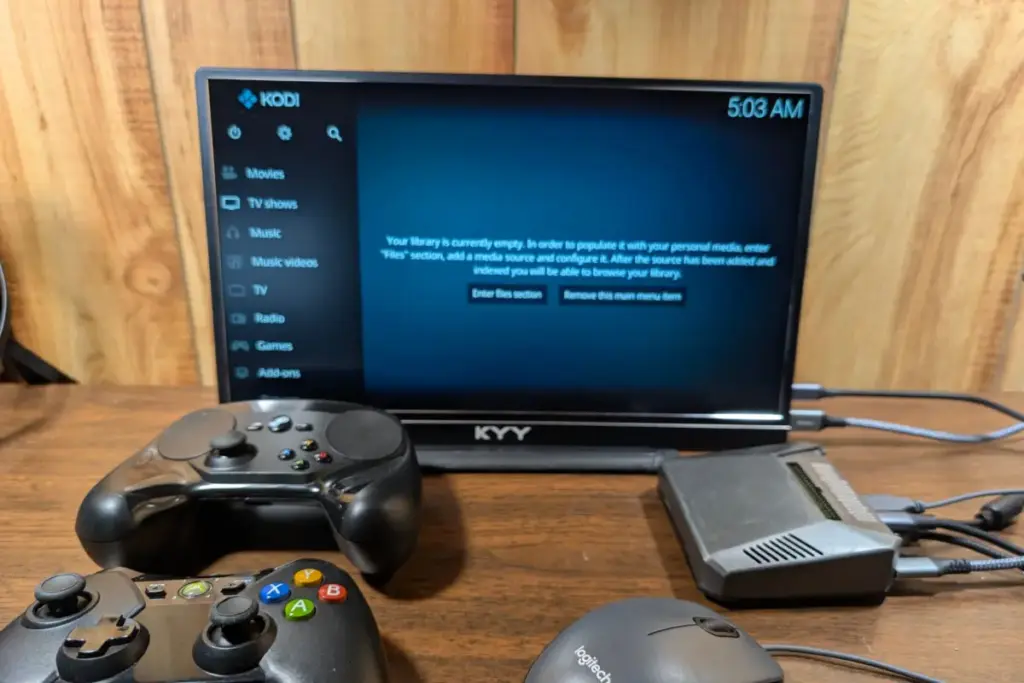
For those looking to create a high-end home theater experience, specialized distributions like LibreELEC provide a lightweight, "just enough OS" environment for running Kodi, a powerful and highly customizable media center. If the goal is gaming, distributions like Batocera or RetroPie turn the Pi into a comprehensive library for decades of gaming history, complete with custom themes and metadata scraping.
Beyond these specialized uses, the open-source nature of the Linux ecosystem means that a Pi can be transformed into almost anything. It can serve as a network-wide ad blocker (Pi-hole), a dedicated music server (Volumio), or even a DIY head unit for a vehicle. The ability to "mix and match" services is a level of flexibility that no commercial smart device can offer. If a specific application doesn’t exist to meet a unique need, the rise of AI-assisted coding tools like Claude and ChatGPT has made it possible for even those with limited programming experience to "vibe code" custom solutions, creating bespoke software that does exactly what the user requires and nothing more.
 Tech Tutorials & How-To Guides
Documentary Deep Dive: Exploring the Most Compelling Non-Fiction Titles on HBO Max This Weekend
The landscape of premium streaming continues to be defined by a relentless...
 Tech Tutorials & How-To Guides
High-Octane Streaming: Four Netflix Miniseries to Transform Your Cardio Routine
The psychological challenge of the treadmill is a familiar hurdle for fitness...
 Tech Tutorials & How-To Guides
Best Buy Slashes Price of WD_BLACK SN850P 2TB SSD in Major Doorbuster Deal
The perennial struggle of the modern gamer is not found in the...







