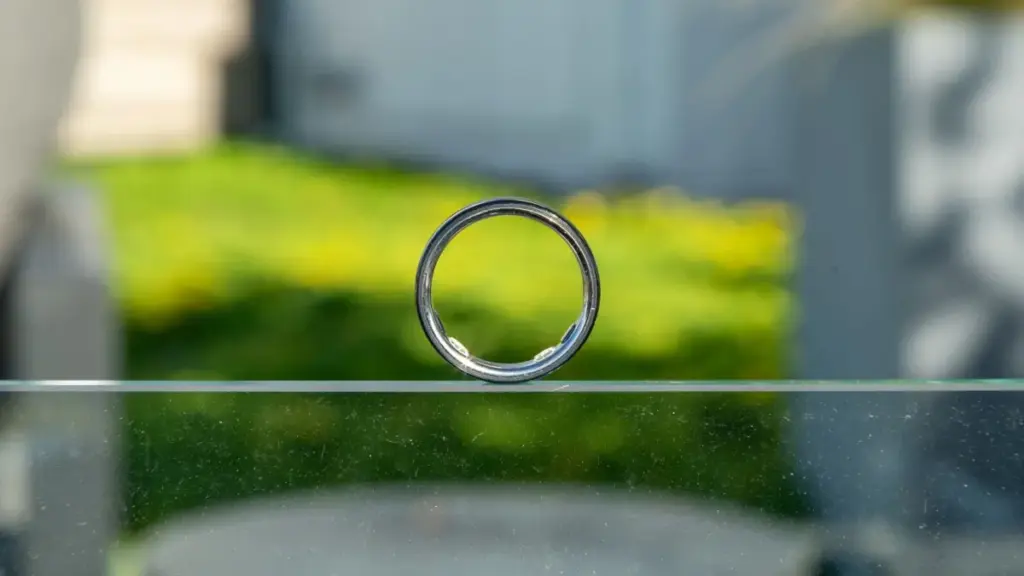
The competitive landscape of the wearable technology market has shifted once again into the courtroom as Oura, the Finnish pioneer of the smart ring category, has filed a significant new lawsuit against its primary rival, Ultrahuman. This latest legal action alleges that Ultrahuman’s flagship device, the Ring Pro, infringes upon several of Oura’s key patents regarding the internal architecture and physical design of the hardware. The move marks a dramatic escalation in a long-standing corporate rivalry that has seen both companies trade accusations of intellectual property theft and anti-competitive behavior over the past several years.
According to legal filings and reports first highlighted by TechCrunch, Oura is asserting that Ultrahuman’s recent success in the United States market is built upon innovations originally developed and patented by the Finnish company. In a formal statement, an Oura spokesperson characterized the situation as part of a broader pattern of behavior, stating that "Ultrahuman has a history of copying Oura’s innovations, as demonstrated by the 2025 ITC ruling against the company." The spokesperson further noted that while Ultrahuman introduced a redesigned ring following previous legal setbacks, the company "failed to address continued infringement of Oura’s patents" in its latest hardware iterations.
The timing and specific nature of the lawsuit suggest a highly calculated legal strategy. Oura is specifically targeting the internal components that allow a smart ring to function within such a constrained form factor. The lawsuit focuses on the Ring Pro’s "curved battery, circuit board, magnets, and sensors." These elements are the cornerstone of smart ring engineering; fitting high-fidelity health sensors and a lasting power source into a device that must remain comfortable for 24/7 wear is an immense industrial design hurdle.
Interestingly, one of the central patents cited in the case—patent number 12,769,363, which covers these specific internal component arrangements—was granted to Oura on October 20, 2026. In a rapid legal maneuver, Oura filed its lawsuit just two days later, on October 22. This suggests that Oura had been monitoring Ultrahuman’s hardware closely and was prepared to move the moment its intellectual property protections were formalized by the patent office.
The Battle of Internal Components
The technical heart of the dispute lies in how these two companies manage the extreme miniaturization required for finger-worn wearables. Unlike smartwatches, which have relatively large internal volumes to house rectangular batteries and flat circuit boards, a smart ring requires components that follow the arc of the finger. Oura’s patents specifically cover the optimization of curved batteries and the spatial arrangement of the flexible or rigid-flex printed circuit boards (PCBs) that wrap around the interior of the ring.
By targeting these specific hardware elements, Oura is aiming at the very foundation of Ultrahuman’s hardware. If the courts find that the Ring Pro cannot exist without using Oura’s patented methods for component placement, it could potentially force another redesign or result in a total import ban for the device in the United States. Oura is reportedly seeking not only an injunction against further sales but also "monetary damages" to compensate for what it views as the unauthorized use of its research and development.
 Mobile Device Management (MDM) & Mobile OS
Google Surprises Users with Early Release of Android 17 QPR2, Introducing Granular Customization and Enhanced Privacy
In a move that caught many in the tech industry off guard,...
 Mobile Device Management (MDM) & Mobile OS
Google Maps Enhances Travel Planning with New ‘Ask Maps’ AI Features and European Expansion
The landscape of digital navigation is undergoing a significant transformation as Google...
 Mobile Device Management (MDM) & Mobile OS
Peacock Unveils Major Mobile App Redesign Featuring Vertical Video, AI Search, and Interactive Fan Hubs
In an era where streaming platforms are no longer just competing for...