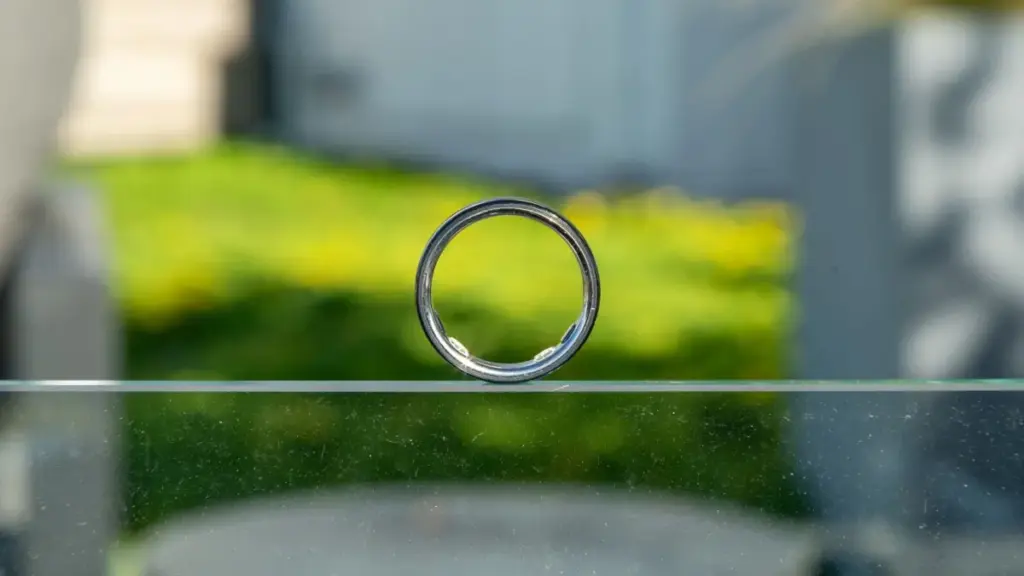
In contrast, Ultrahuman has positioned itself as the "no-subscription" alternative. Through its "PowerPlugs" platform, Ultrahuman offers various features and data "apps" without a recurring paywall. This approach has made it a favorite among tech enthusiasts who are wary of the "software-as-a-service" (SaaS) trend in hardware. Ultrahuman’s strategy focuses on building an ecosystem where the value is in the hardware and the open integration of data, rather than a locked-in monthly membership.

This philosophical difference has colored their legal battles. Ultrahuman often frames Oura’s lawsuits as an attempt by a legacy player to protect an expensive, closed ecosystem from a more agile and consumer-friendly disruptor. Oura, meanwhile, maintains that its legal actions are a necessary defense of the massive investments it has made in pioneering the smart ring category since its inception.
Technological Advancements and Market Availability
Despite the looming legal clouds, Ultrahuman has continued to aggressively update its platform throughout 2026. The company has recently focused on deep medical integration, such as its partnership with HealthEx. This feature allows users to pull their official medical records directly into the Ultrahuman app, enabling a side-by-side comparison of wearable data—like resting heart rate and sleep quality—against clinical lab results and doctor’s notes.
Additionally, earlier in October, Ultrahuman rolled out a "Heart Scan" feature for the Ring Pro. This tool requires the user to remain still for sixty seconds while the ring’s sensors capture a high-resolution snapshot of cardiac markers, providing immediate insights into heart health and stress levels. These rapid-fire feature releases suggest that Ultrahuman is attempting to outpace the legal proceedings by making its product so feature-rich and integrated that it becomes indispensable to its user base.
As the lawsuit moves forward in the U.S. court system, the wearable industry will be watching closely. The outcome could set a major precedent for how "internal component" patents are handled in the world of ultra-miniaturized electronics. If Oura successfully argues that it owns the fundamental blueprint for how a smart ring must be built internally, it could create a significant barrier for any new company attempting to enter the space.
For now, the Ultrahuman Ring Pro remains on sale, and the company appears committed to fighting the allegations in court. However, with Oura seeking both monetary damages and a potential halt to sales, the stakes for Ultrahuman’s U.S. presence have never been higher. The battle for the finger-worn wearable market is no longer just about who has the best sensors or the longest battery life; it is increasingly about who can navigate the complex web of international patent law.
 Mobile Device Management (MDM) & Mobile OS
Samsung Accelerates Exynos 2700 Production Amid Strategic Shifts for the Galaxy S27 Series
Samsung’s semiconductor division is reportedly entering a critical phase of its roadmap...
 Mobile Device Management (MDM) & Mobile OS
Privacy Concerns Mount as Google Automatically Links Phone Numbers to All Signed-In Android Accounts
A quiet shift in how Google manages user identity on Android devices...
 Mobile Device Management (MDM) & Mobile OS
Spotify Expands AI DJ Experience with Diverse New Voice Personas and Enhanced Commentary Controls
In the rapidly evolving landscape of digital music streaming, few features have...