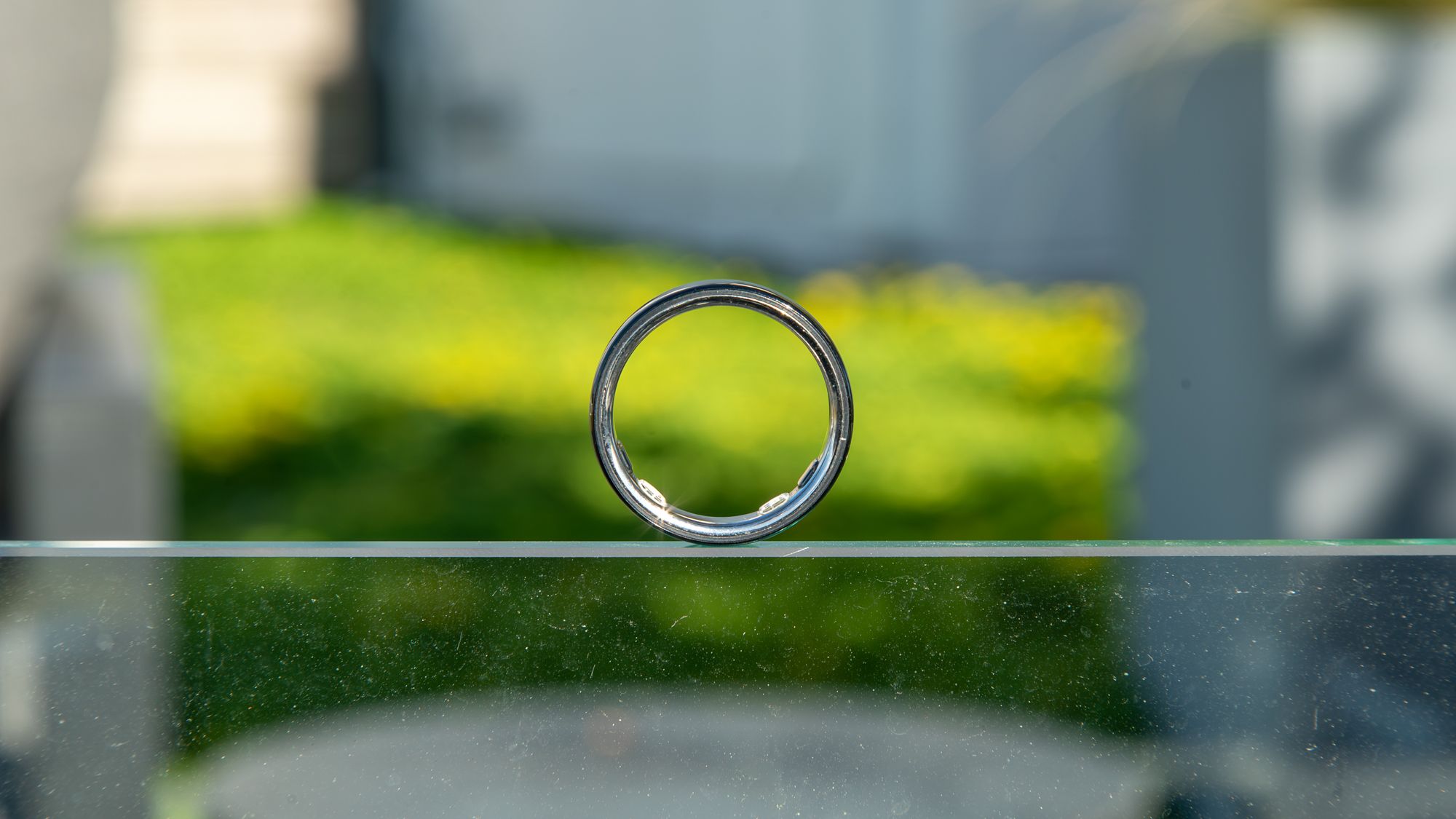
Ultrahuman, for its part, has remained defiant. Mohit Kumar, the co-founder and CEO of Ultrahuman, addressed the lawsuit by pointing out the aggressive timing of Oura’s legal filing. Kumar noted that Oura chose to assert patents that were issued "just two days before this lawsuit was filed," implying that the move is an attempt to stifle competition rather than a response to a long-standing grievance. Despite the legal pressure, Kumar confirmed that the Ring Pro remains available to U.S. consumers, as no court has yet issued an order to halt sales or distribution.
A History of Litigation and Market Friction
This is far from the first time these two companies have clashed in a legal setting. The relationship between Oura and Ultrahuman has been defined by a "back and forth" series of challenges that reflect the high stakes of the burgeoning smart ring market. In 2025, the roles were briefly reversed when Ultrahuman sued Oura, accusing the Oura Ring 4 of "ripping off" Ultrahuman’s own patented technology.
That 2025 dispute centered less on the physical hardware and more on the software and data analysis side of the experience. Ultrahuman claimed it had pioneered specific methods for sleep tracking, circadian rhythm tools, and specialized women’s health features. At the time, Ultrahuman positioned itself as a "defender of open health data" and a champion for "Indian innovation on the global stage." The company argued that its mission was to make health insights more accessible and that its legal defense was a necessary step to prevent a single dominant player from monopolizing the industry’s intellectual foundations.
The history of the conflict also includes a 2025 ruling by the International Trade Commission (ITC), which Oura frequently cites as evidence of Ultrahuman’s past infringements. That ruling previously hampered Ultrahuman’s ability to bring its products to the U.S. market, leading to a period where the company struggled to maintain a consistent retail presence in the country. The Ultrahuman Ring Pro was widely viewed as the company’s "comeback" device—a redesigned piece of hardware intended to bypass previous legal hurdles and establish a permanent foothold in the American wearable sector. Oura’s new lawsuit directly threatens that comeback.
Philosophical and Business Model Divides
Beyond the technicalities of curved batteries and circuit boards, the rivalry between Oura and Ultrahuman represents a fundamental split in how health technology companies monetize their products.
Oura has long utilized a subscription-heavy model. While users must pay a premium price for the ring itself, they are also required to pay a monthly fee to access the full suite of data analysis, long-term trends, and specialized health insights. This model has been a point of contention for some consumers but has allowed Oura to build a stable, recurring revenue stream that funds its extensive research and clinical validation studies.
 Mobile Device Management (MDM) & Mobile OS
Peacock Unveils Major Mobile App Redesign Featuring Vertical Video, AI Search, and Interactive Fan Hubs
In an era where streaming platforms are no longer just competing for...
 Mobile Device Management (MDM) & Mobile OS
Foldable Smartphone Market Set for 44% Surge in 2026 as Wide-Screen Designs Lead Industry Recovery
The landscape of the mobile industry is preparing for a significant shift...
 Mobile Device Management (MDM) & Mobile OS
Google Transforms Search Experience with Gemini 4 Hydrogen Integration, Prioritizing Visual Context and Intent Recognition
In a significant move to redefine the landscape of digital information retrieval,...