
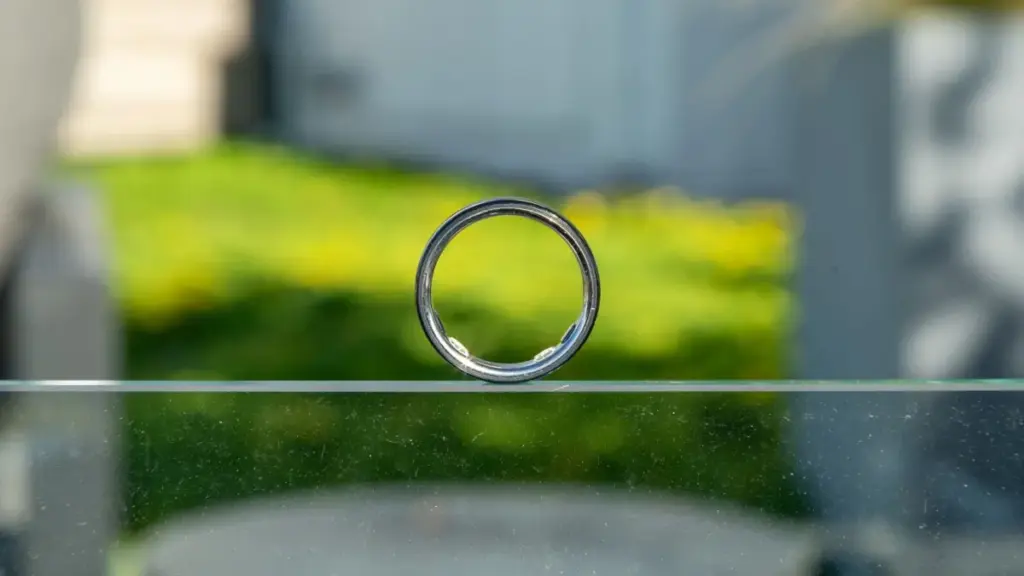
The competitive landscape of the wearable technology market has shifted once again into the courtroom as Oura, the Finnish pioneer of the smart ring category, has filed a significant new lawsuit against its primary rival, Ultrahuman. This latest legal action alleges that Ultrahuman’s flagship device, the Ring Pro, infringes upon several of Oura’s key patents regarding the internal architecture and physical design of the hardware. The move marks a dramatic escalation in a long-standing corporate rivalry that has seen both companies trade accusations of intellectual property theft and anti-competitive behavior over the past several years.
According to legal filings and reports first highlighted by TechCrunch, Oura is asserting that Ultrahuman’s recent success in the United States market is built upon innovations originally developed and patented by the Finnish company. In a formal statement, an Oura spokesperson characterized the situation as part of a broader pattern of behavior, stating that "Ultrahuman has a history of copying Oura’s innovations, as demonstrated by the 2025 ITC ruling against the company." The spokesperson further noted that while Ultrahuman introduced a redesigned ring following previous legal setbacks, the company "failed to address continued infringement of Oura’s patents" in its latest hardware iterations.
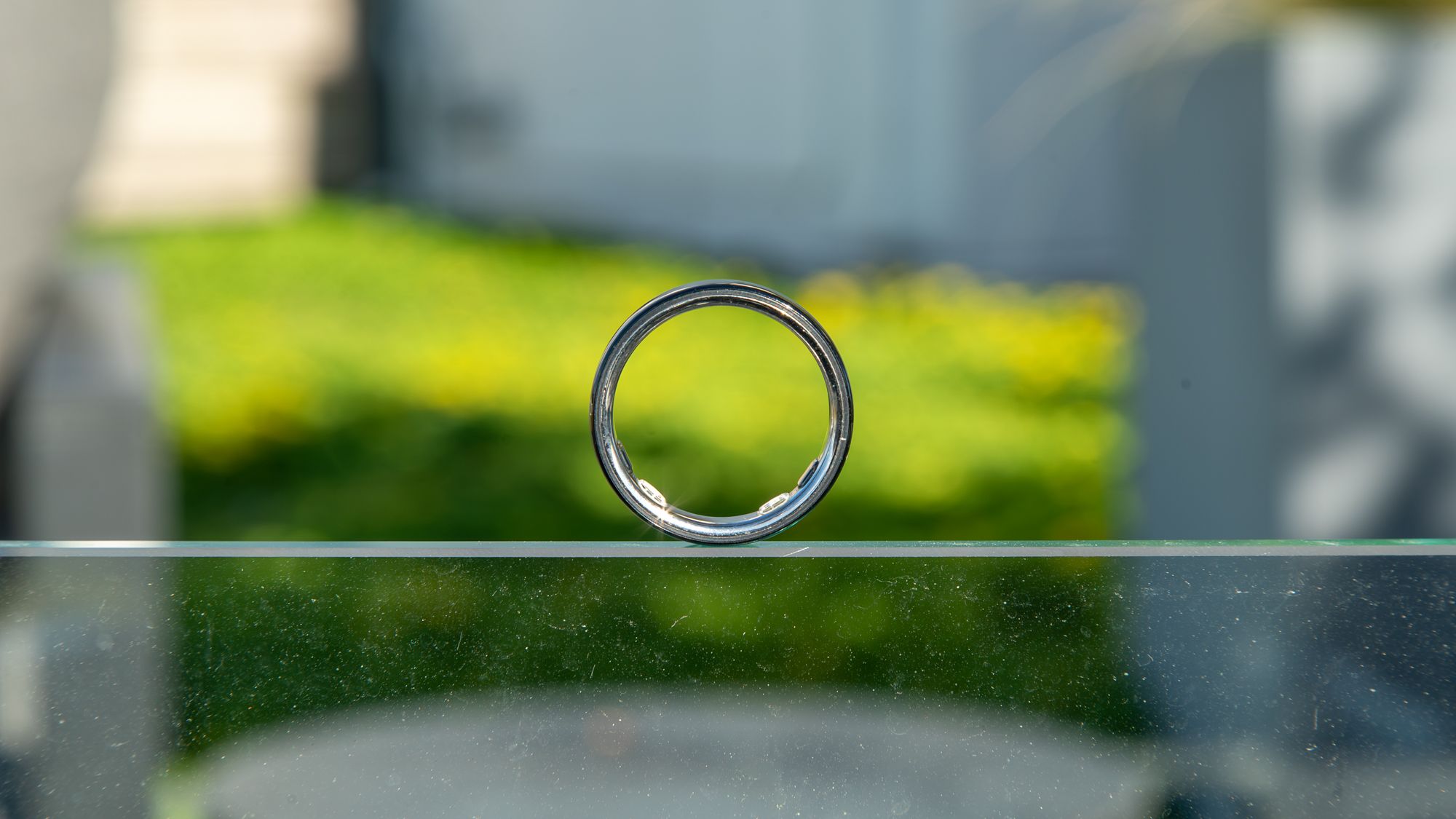
The timing and specific nature of the lawsuit suggest a highly calculated legal strategy. Oura is specifically targeting the internal components that allow a smart ring to function within such a constrained form factor. The lawsuit focuses on the Ring Pro’s "curved battery, circuit board, magnets, and sensors." These elements are the cornerstone of smart ring engineering; fitting high-fidelity health sensors and a lasting power source into a device that must remain comfortable for 24/7 wear is an immense industrial design hurdle.
Interestingly, one of the central patents cited in the case—patent number 12,769,363, which covers these specific internal component arrangements—was granted to Oura on October 20, 2026. In a rapid legal maneuver, Oura filed its lawsuit just two days later, on October 22. This suggests that Oura had been monitoring Ultrahuman’s hardware closely and was prepared to move the moment its intellectual property protections were formalized by the patent office.
The Battle of Internal Components
The technical heart of the dispute lies in how these two companies manage the extreme miniaturization required for finger-worn wearables. Unlike smartwatches, which have relatively large internal volumes to house rectangular batteries and flat circuit boards, a smart ring requires components that follow the arc of the finger. Oura’s patents specifically cover the optimization of curved batteries and the spatial arrangement of the flexible or rigid-flex printed circuit boards (PCBs) that wrap around the interior of the ring.
By targeting these specific hardware elements, Oura is aiming at the very foundation of Ultrahuman’s hardware. If the courts find that the Ring Pro cannot exist without using Oura’s patented methods for component placement, it could potentially force another redesign or result in a total import ban for the device in the United States. Oura is reportedly seeking not only an injunction against further sales but also "monetary damages" to compensate for what it views as the unauthorized use of its research and development.
Ultrahuman, for its part, has remained defiant. Mohit Kumar, the co-founder and CEO of Ultrahuman, addressed the lawsuit by pointing out the aggressive timing of Oura’s legal filing. Kumar noted that Oura chose to assert patents that were issued "just two days before this lawsuit was filed," implying that the move is an attempt to stifle competition rather than a response to a long-standing grievance. Despite the legal pressure, Kumar confirmed that the Ring Pro remains available to U.S. consumers, as no court has yet issued an order to halt sales or distribution.
A History of Litigation and Market Friction
This is far from the first time these two companies have clashed in a legal setting. The relationship between Oura and Ultrahuman has been defined by a "back and forth" series of challenges that reflect the high stakes of the burgeoning smart ring market. In 2025, the roles were briefly reversed when Ultrahuman sued Oura, accusing the Oura Ring 4 of "ripping off" Ultrahuman’s own patented technology.
That 2025 dispute centered less on the physical hardware and more on the software and data analysis side of the experience. Ultrahuman claimed it had pioneered specific methods for sleep tracking, circadian rhythm tools, and specialized women’s health features. At the time, Ultrahuman positioned itself as a "defender of open health data" and a champion for "Indian innovation on the global stage." The company argued that its mission was to make health insights more accessible and that its legal defense was a necessary step to prevent a single dominant player from monopolizing the industry’s intellectual foundations.
The history of the conflict also includes a 2025 ruling by the International Trade Commission (ITC), which Oura frequently cites as evidence of Ultrahuman’s past infringements. That ruling previously hampered Ultrahuman’s ability to bring its products to the U.S. market, leading to a period where the company struggled to maintain a consistent retail presence in the country. The Ultrahuman Ring Pro was widely viewed as the company’s "comeback" device—a redesigned piece of hardware intended to bypass previous legal hurdles and establish a permanent foothold in the American wearable sector. Oura’s new lawsuit directly threatens that comeback.
Philosophical and Business Model Divides
Beyond the technicalities of curved batteries and circuit boards, the rivalry between Oura and Ultrahuman represents a fundamental split in how health technology companies monetize their products.
Oura has long utilized a subscription-heavy model. While users must pay a premium price for the ring itself, they are also required to pay a monthly fee to access the full suite of data analysis, long-term trends, and specialized health insights. This model has been a point of contention for some consumers but has allowed Oura to build a stable, recurring revenue stream that funds its extensive research and clinical validation studies.
In contrast, Ultrahuman has positioned itself as the "no-subscription" alternative. Through its "PowerPlugs" platform, Ultrahuman offers various features and data "apps" without a recurring paywall. This approach has made it a favorite among tech enthusiasts who are wary of the "software-as-a-service" (SaaS) trend in hardware. Ultrahuman’s strategy focuses on building an ecosystem where the value is in the hardware and the open integration of data, rather than a locked-in monthly membership.
This philosophical difference has colored their legal battles. Ultrahuman often frames Oura’s lawsuits as an attempt by a legacy player to protect an expensive, closed ecosystem from a more agile and consumer-friendly disruptor. Oura, meanwhile, maintains that its legal actions are a necessary defense of the massive investments it has made in pioneering the smart ring category since its inception.
Technological Advancements and Market Availability
Despite the looming legal clouds, Ultrahuman has continued to aggressively update its platform throughout 2026. The company has recently focused on deep medical integration, such as its partnership with HealthEx. This feature allows users to pull their official medical records directly into the Ultrahuman app, enabling a side-by-side comparison of wearable data—like resting heart rate and sleep quality—against clinical lab results and doctor’s notes.
Additionally, earlier in October, Ultrahuman rolled out a "Heart Scan" feature for the Ring Pro. This tool requires the user to remain still for sixty seconds while the ring’s sensors capture a high-resolution snapshot of cardiac markers, providing immediate insights into heart health and stress levels. These rapid-fire feature releases suggest that Ultrahuman is attempting to outpace the legal proceedings by making its product so feature-rich and integrated that it becomes indispensable to its user base.
As the lawsuit moves forward in the U.S. court system, the wearable industry will be watching closely. The outcome could set a major precedent for how "internal component" patents are handled in the world of ultra-miniaturized electronics. If Oura successfully argues that it owns the fundamental blueprint for how a smart ring must be built internally, it could create a significant barrier for any new company attempting to enter the space.
For now, the Ultrahuman Ring Pro remains on sale, and the company appears committed to fighting the allegations in court. However, with Oura seeking both monetary damages and a potential halt to sales, the stakes for Ultrahuman’s U.S. presence have never been higher. The battle for the finger-worn wearable market is no longer just about who has the best sensors or the longest battery life; it is increasingly about who can navigate the complex web of international patent law.
 Mobile Device Management (MDM) & Mobile OS
Community-Led Discovery Unearths Workaround to Restore Legacy Google Assistant Experience on Android Devices
The landscape of mobile artificial intelligence shifted significantly last month when Google...
 Mobile Device Management (MDM) & Mobile OS
Xreal Aura Officially Launches: The Dawn of a New Era for Android XR and Spatial Computing
The long-anticipated arrival of Xreal’s latest hardware milestone has finally reached its...
 Mobile Device Management (MDM) & Mobile OS
Google Confirms Fix for Pixel Watch Battery Drain Issues as Rollout Begins
The promise of the modern smartwatch is one of seamless integration, providing...







