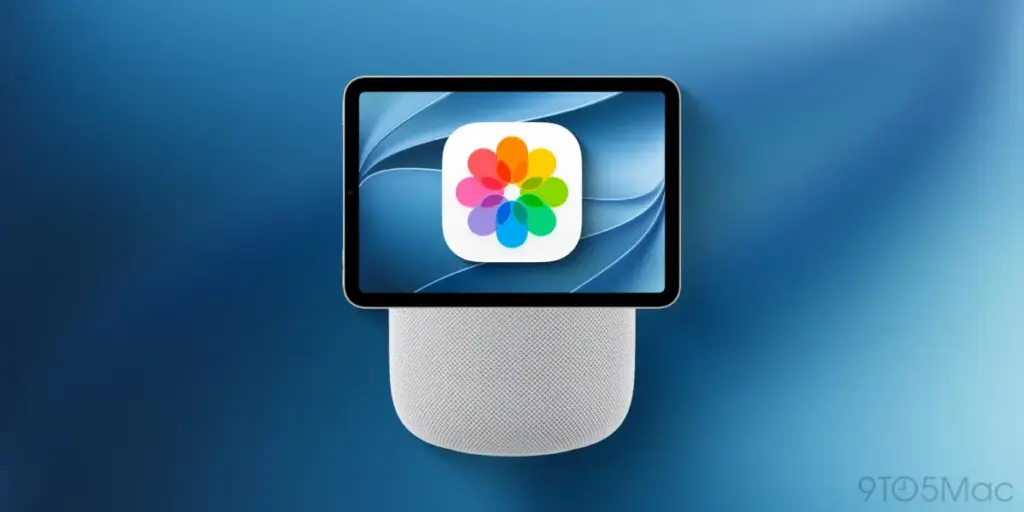
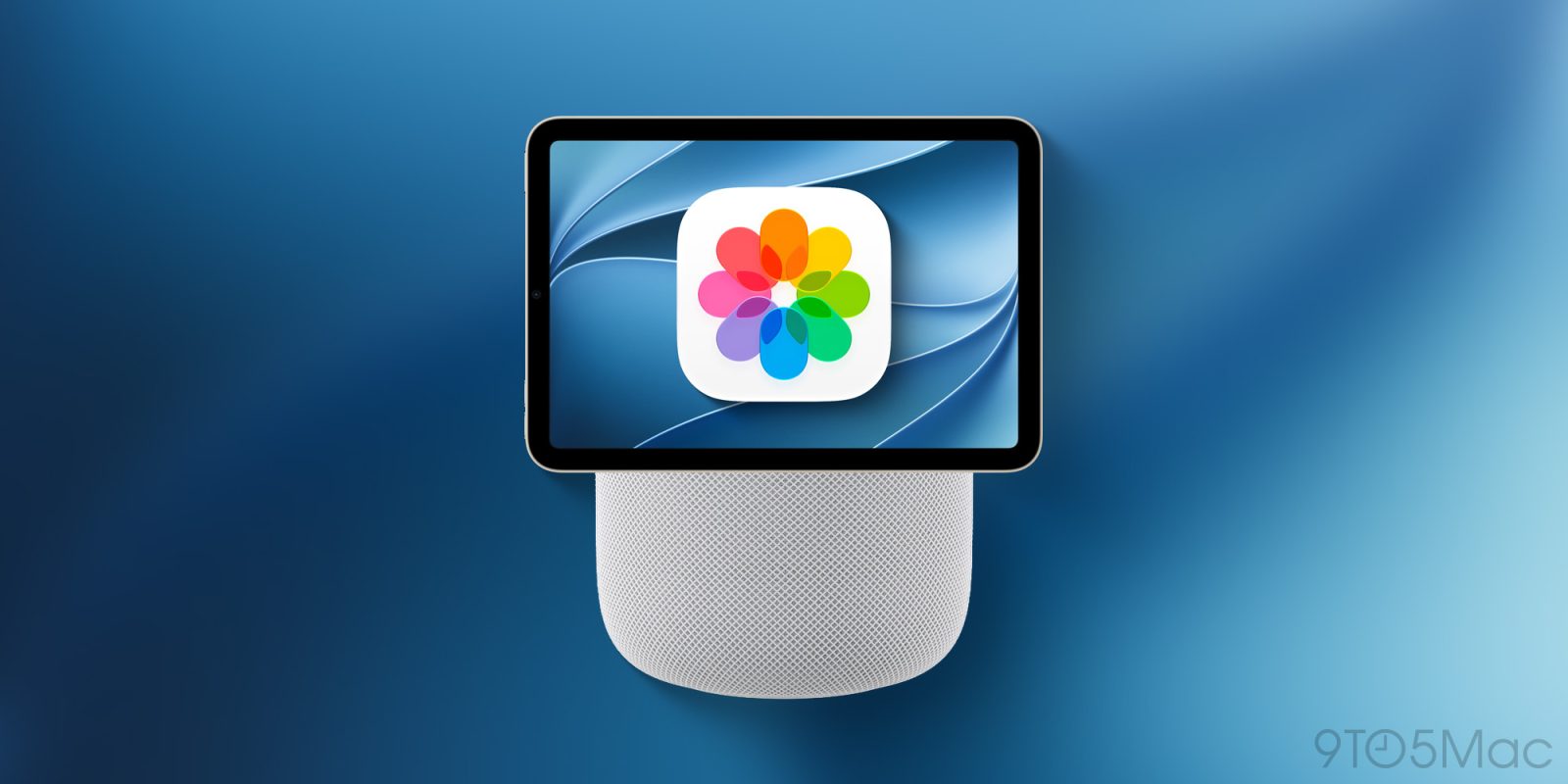
The HomeView represents a departure from Apple’s previous hardware philosophies for the home, which have largely been centered on audio-first devices. While the HomePod and HomePod mini have established themselves as high-quality smart speakers, they lack the visual interface that many consumers have come to expect from a modern home controller. The HomeView is designed to bridge this gap, offering a hardware solution that is both a functional tool and a design statement. The naming convention—pairing "Home" with "View"—suggests a device that serves as a window into the user’s digital and physical environment, moving beyond the invisible interface of Siri to something more tangible and interactive.
Central to the appeal of the HomeView is its physical design, which reportedly draws heavy inspiration from one of Apple’s most iconic legacy products: the iMac G4. Known for its "sunflower" aesthetic, the G4 featured a flat-panel display mounted on a polished chrome neck, which sat atop a domed base containing the computer’s internals. The HomeView is said to mirror this approach, featuring a floating display that sits on a speaker base. This design choice is not merely nostalgic; it offers practical benefits for a home hub, allowing users to tilt and swivel the screen to achieve the perfect viewing angle, whether they are following a recipe in the kitchen or participating in a FaceTime call from a living room sofa.
Under the hood, the HomeView will be a powerhouse, reportedly driven by Apple’s A18 chip. This is a significant inclusion, as the A18 is the same silicon found in the latest iPhone 16 series. By equipping a home hub with flagship-level processing power, Apple is likely preparing the device to handle complex "Apple Intelligence" tasks locally. This focus on high-performance silicon suggests that the HomeView will be capable of advanced on-device AI processing, ensuring that voice commands are handled quickly and that privacy is maintained by keeping data off the cloud whenever possible. The use of the A18 chip also hints at a device that will remain relevant for years, capable of supporting future software updates that may require significant computational overhead.
In addition to the tabletop model with its integrated speaker base, Apple is reportedly planning a second version of the hardware designed for a more integrated look. This wall-mountable variant will feature a square base, allowing it to sit flush against a wall like a digital thermostat or a high-end control panel. This dual-track hardware strategy allows Apple to target two different types of users: those who want a portable, flexible device for their countertops, and those who are looking for a permanent, "built-in" solution to manage their smart home infrastructure.
Color will also play a role in the HomeView’s integration into the home. The standard model with the speaker base is expected to be offered in a variety of finishes, including space gray, silver, starlight, and pink. This palette reflects Apple’s recent move toward more expressive hardware colors, allowing the device to blend into or stand out within various interior design styles. The wall-mountable version, however, will be more conservative in its presentation, offered only in monochrome silver and space gray to better match standard architectural hardware and wall finishes.
 Smart Home & IoT Solutions
Apple to Unveil ‘HomeView’ Smart Hub at ‘Welcome Home’ Event as Part of Major Smart Home Expansion
Apple is preparing to significantly escalate its presence in the domestic technology...
 Smart Home & IoT Solutions
Schlage Set to Launch Sense Pro Smart Deadbolt with Ultra Wideband Support for Apple Home Users
The landscape of the smart home security market is poised for a...
 Smart Home & IoT Solutions
Apple’s Upcoming HomeView Device Discovered to Feature Integrated HomeKit Security Camera Capabilities
As Apple prepares to deepen its footprint in the smart home market,...