
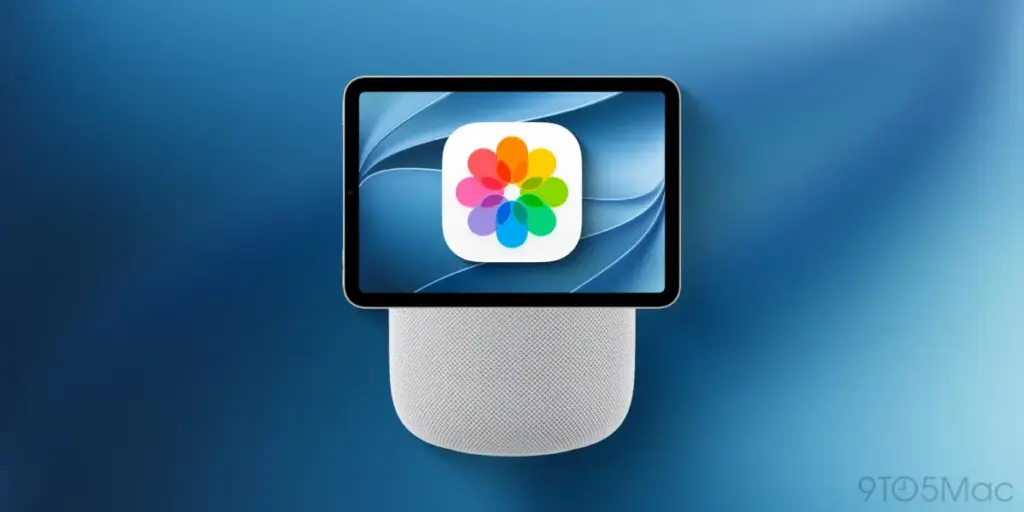
The HomeView represents a departure from Apple’s previous hardware philosophies for the home, which have largely been centered on audio-first devices. While the HomePod and HomePod mini have established themselves as high-quality smart speakers, they lack the visual interface that many consumers have come to expect from a modern home controller. The HomeView is designed to bridge this gap, offering a hardware solution that is both a functional tool and a design statement. The naming convention—pairing "Home" with "View"—suggests a device that serves as a window into the user’s digital and physical environment, moving beyond the invisible interface of Siri to something more tangible and interactive.
Central to the appeal of the HomeView is its physical design, which reportedly draws heavy inspiration from one of Apple’s most iconic legacy products: the iMac G4. Known for its "sunflower" aesthetic, the G4 featured a flat-panel display mounted on a polished chrome neck, which sat atop a domed base containing the computer’s internals. The HomeView is said to mirror this approach, featuring a floating display that sits on a speaker base. This design choice is not merely nostalgic; it offers practical benefits for a home hub, allowing users to tilt and swivel the screen to achieve the perfect viewing angle, whether they are following a recipe in the kitchen or participating in a FaceTime call from a living room sofa.
Under the hood, the HomeView will be a powerhouse, reportedly driven by Apple’s A18 chip. This is a significant inclusion, as the A18 is the same silicon found in the latest iPhone 16 series. By equipping a home hub with flagship-level processing power, Apple is likely preparing the device to handle complex "Apple Intelligence" tasks locally. This focus on high-performance silicon suggests that the HomeView will be capable of advanced on-device AI processing, ensuring that voice commands are handled quickly and that privacy is maintained by keeping data off the cloud whenever possible. The use of the A18 chip also hints at a device that will remain relevant for years, capable of supporting future software updates that may require significant computational overhead.
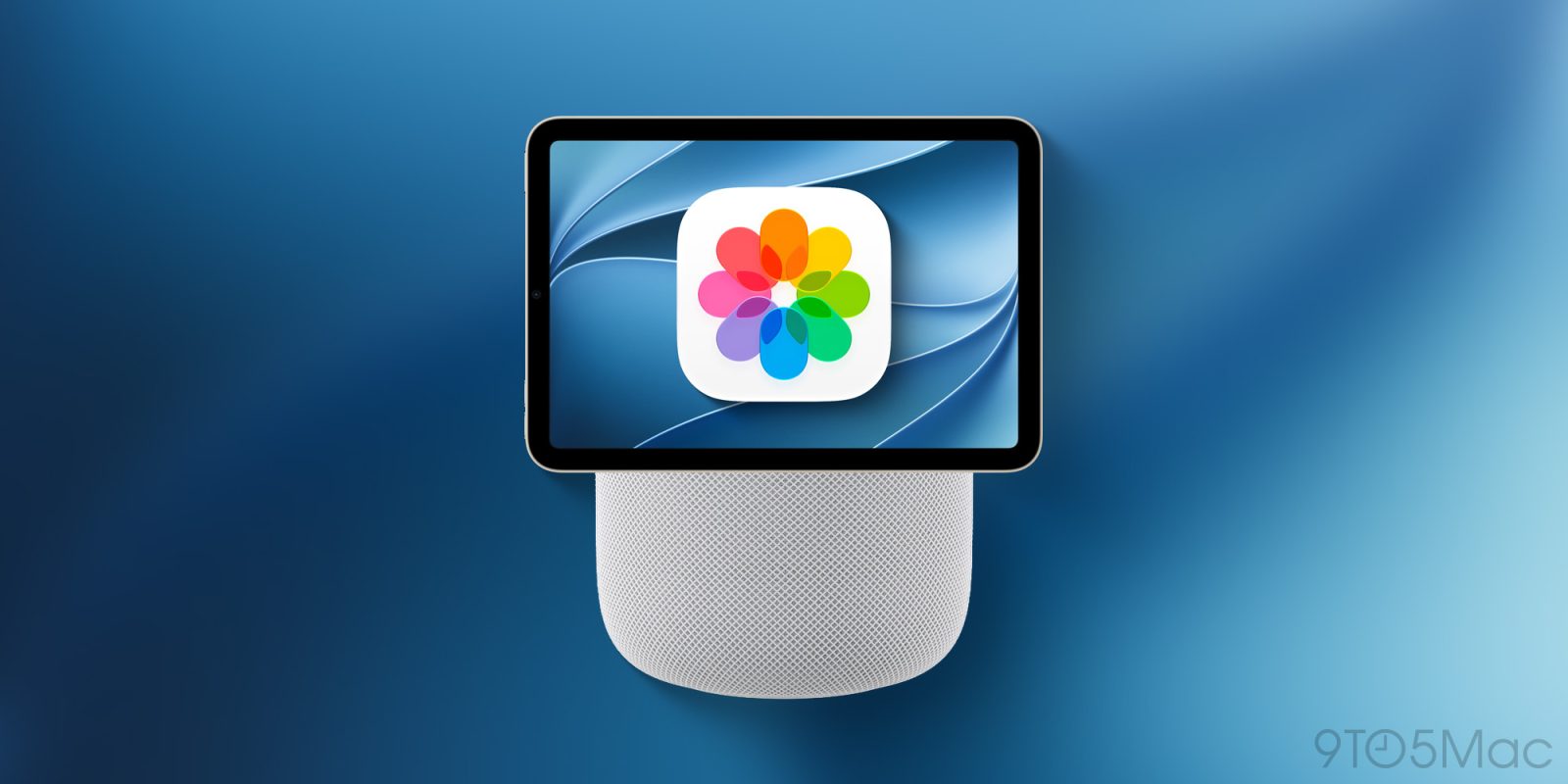
In addition to the tabletop model with its integrated speaker base, Apple is reportedly planning a second version of the hardware designed for a more integrated look. This wall-mountable variant will feature a square base, allowing it to sit flush against a wall like a digital thermostat or a high-end control panel. This dual-track hardware strategy allows Apple to target two different types of users: those who want a portable, flexible device for their countertops, and those who are looking for a permanent, "built-in" solution to manage their smart home infrastructure.
Color will also play a role in the HomeView’s integration into the home. The standard model with the speaker base is expected to be offered in a variety of finishes, including space gray, silver, starlight, and pink. This palette reflects Apple’s recent move toward more expressive hardware colors, allowing the device to blend into or stand out within various interior design styles. The wall-mountable version, however, will be more conservative in its presentation, offered only in monochrome silver and space gray to better match standard architectural hardware and wall finishes.
The user experience of the HomeView will be fundamentally built around voice interaction. While the screen provides a visual component, Siri AI will serve as the primary interface. Apple’s vision for the device is one where users "view" content from across the room rather than constantly interacting with it via touch. This "lean-back" experience is intended to make the device feel less like a tablet and more like an ambient part of the home. To support this, the software will run native Apple apps specifically optimized for the hub’s unique form factor. Interestingly, reports suggest that the HomeView will not feature a dedicated App Store at launch. Instead, Apple may allow users to project third-party app widgets from a nearby iPhone onto the HomeView screen, ensuring that the device remains a focused utility rather than a general-purpose computer.
The October 13 "Welcome home" event is expected to be more than just a single-product launch. It serves as a broader relaunch of Apple’s entire smart home strategy. Alongside the HomeView, Apple is reportedly preparing to refresh its existing home hardware, including the Apple TV set-top box and the HomePod mini. These updates are likely intended to ensure that the entire lineup supports the latest connectivity standards and AI features, creating a cohesive ecosystem where every device works in concert.

Furthermore, Apple is expanding its collaborative efforts with third-party manufacturers to ensure the HomeView has plenty of "eyes and ears" throughout the house. The company has reportedly partnered with major appliance makers, including LG, to develop a range of smart home accessories that are deeply integrated with Apple’s HomeKit and Matter standards. This initiative includes smart thermostats, door locks, and doorbells, all designed to be controlled and monitored directly through the HomeView interface. By fostering these partnerships, Apple is addressing one of the historical weaknesses of its smart home ecosystem: the relative scarcity of compatible first-party or highly-vetted third-party hardware compared to its rivals.
The timing of the announcement and subsequent release follows a traditional Apple holiday launch cadence. While the device will be unveiled on a Tuesday in mid-October, consumers will likely have to wait until the middle of November to actually place the HomeView in their homes. This gap allows Apple to build anticipation and ensure that its retail and shipping logistics are prepared for the holiday shopping rush. The mid-November release date also positions the HomeView as a premium gift option for the end-of-year season.
The trademark for "HomeView" was first spotted by MacRumors, providing an early hint at Apple’s branding direction. As the company prepares for the Tuesday event, the HomeView stands as a testament to Apple’s belief that the future of the home is not just smart, but visual and intelligently connected. By combining the iconic design language of the past with the cutting-edge AI capabilities of the A18 chip, Apple is making a clear statement: it no longer views the home as a secondary market, but as a primary pillar of its future growth.
This new initiative arrives at a critical juncture for the smart home industry. As the Matter standard begins to unify the fragmented market, the battle for the "brain" of the home has intensified. Apple’s approach with the HomeView seems to emphasize a high-end, privacy-focused, and aesthetically pleasing alternative to the data-driven models of its competitors. By focusing on a device that is as much a piece of furniture as it is a computer, Apple is betting that consumers want a home hub that looks as good as it functions.

The inclusion of an iPhone-like widget system and the projection of third-party content suggests that Apple is being cautious about how it introduces third-party software to the home. By avoiding a full App Store, Apple can maintain a more controlled and stable environment, preventing the HomeView from becoming cluttered or difficult to manage. This streamlined approach ensures that the device remains focused on its core mission: providing a clear, high-quality "view" of the user’s home, schedule, and media.
As the tech world looks toward the October 13 event, the HomeView represents the culmination of years of rumors regarding an "iPad-HomePod hybrid." With its unique iMac G4-inspired design, powerful internal hardware, and a new software philosophy centered on ambient viewing and voice control, the HomeView is poised to redefine what an Apple home looks like. Whether it can successfully displace the entrenched competition remains to be seen, but the "Welcome home" event promises to be the most significant moment for Apple’s domestic strategy in over a decade. All eyes will be on the virtual stage this Tuesday to see how Apple intends to turn this vision into a reality for millions of households.
 Smart Home & IoT Solutions
Abode Expands Smart Home Security Ecosystem with New Apple Home-Compatible Garage and Outdoor Sensors
In an era where the boundary between professional-grade security and do-it-yourself convenience...
 Smart Home & IoT Solutions
Apple Partners with LG for Major Smart Home Expansion Featuring New Cameras, Locks, and Thermostats
In a significant strategic shift for its domestic technology ecosystem, Apple is...
 Smart Home & IoT Solutions
Apple’s Smart Home Ambitions Expand with LG Partnership and Exclusive ‘Proximity Control’ Features
As the technology industry looks toward Apple’s upcoming "Welcome Home" special event...







