
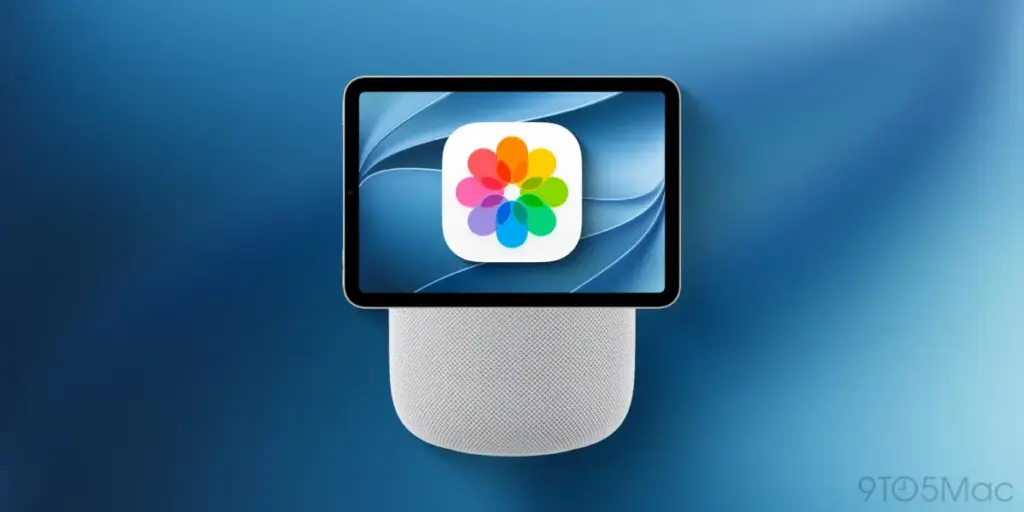
The user experience of the HomeView will be fundamentally built around voice interaction. While the screen provides a visual component, Siri AI will serve as the primary interface. Apple’s vision for the device is one where users "view" content from across the room rather than constantly interacting with it via touch. This "lean-back" experience is intended to make the device feel less like a tablet and more like an ambient part of the home. To support this, the software will run native Apple apps specifically optimized for the hub’s unique form factor. Interestingly, reports suggest that the HomeView will not feature a dedicated App Store at launch. Instead, Apple may allow users to project third-party app widgets from a nearby iPhone onto the HomeView screen, ensuring that the device remains a focused utility rather than a general-purpose computer.
The October 13 "Welcome home" event is expected to be more than just a single-product launch. It serves as a broader relaunch of Apple’s entire smart home strategy. Alongside the HomeView, Apple is reportedly preparing to refresh its existing home hardware, including the Apple TV set-top box and the HomePod mini. These updates are likely intended to ensure that the entire lineup supports the latest connectivity standards and AI features, creating a cohesive ecosystem where every device works in concert.

Furthermore, Apple is expanding its collaborative efforts with third-party manufacturers to ensure the HomeView has plenty of "eyes and ears" throughout the house. The company has reportedly partnered with major appliance makers, including LG, to develop a range of smart home accessories that are deeply integrated with Apple’s HomeKit and Matter standards. This initiative includes smart thermostats, door locks, and doorbells, all designed to be controlled and monitored directly through the HomeView interface. By fostering these partnerships, Apple is addressing one of the historical weaknesses of its smart home ecosystem: the relative scarcity of compatible first-party or highly-vetted third-party hardware compared to its rivals.
The timing of the announcement and subsequent release follows a traditional Apple holiday launch cadence. While the device will be unveiled on a Tuesday in mid-October, consumers will likely have to wait until the middle of November to actually place the HomeView in their homes. This gap allows Apple to build anticipation and ensure that its retail and shipping logistics are prepared for the holiday shopping rush. The mid-November release date also positions the HomeView as a premium gift option for the end-of-year season.
 Smart Home & IoT Solutions
Apple Developing Integrated Home Security and Monitoring Service for 2027 Launch
Apple is reportedly preparing a significant expansion of its smart home ecosystem,...
 Smart Home & IoT Solutions
Apple Expands Smart Home Ecosystem with New Aqara Accessories and Third-Party Hardware Ahead of Major Product Launches
In a significant update to its retail and digital storefronts this week,...
 Smart Home & IoT Solutions
Report: Apple ‘HomeView’ smart home hub will ship in November, come in four colors, A18 chip
The HomeView is expected to be the centerpiece of a major hardware...







