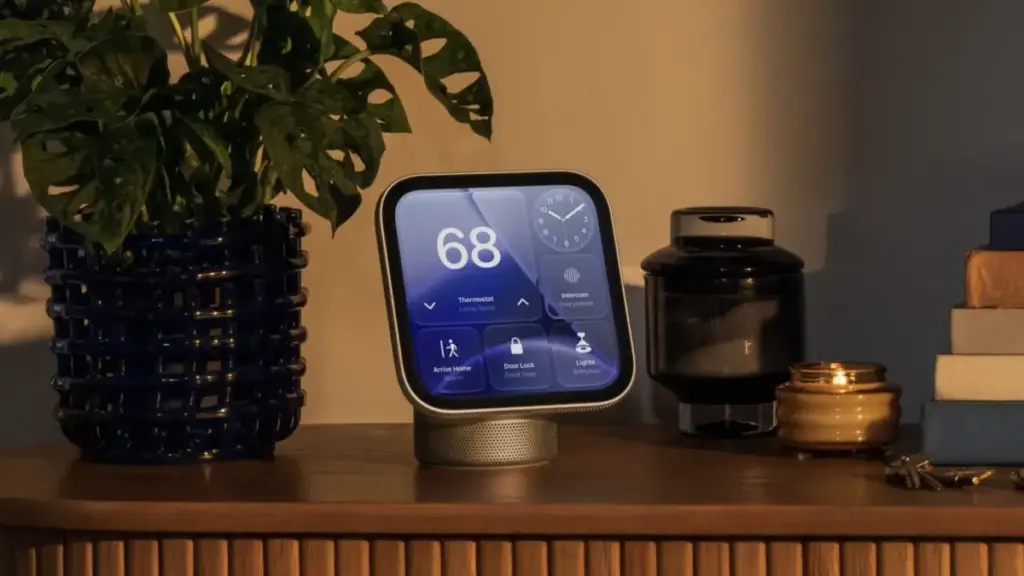
As Apple prepares to deepen its footprint in the smart home market, new evidence suggests that its highly anticipated smart display, rumored to be named HomeView, will be far more than just a centralized control hub. Recent discoveries within the company’s software backend indicate that the device is being engineered to function as a fully integrated HomeKit security camera. This dual-purpose functionality could position the HomeView as the most versatile piece of hardware in Apple’s home ecosystem to date, bridging the gap between a standard smart speaker and a comprehensive home monitoring system.
The revelation comes courtesy of a well-known code sleuther operating under the pseudonym pdfu, who has a history of uncovering hidden features within Apple’s pre-release software builds. By digging into the latest iterations of Apple’s internal code, pdfu found explicit references to security camera configurations designed specifically for the HomeView hardware. These findings suggest that Apple is not merely adding a camera for FaceTime or video conferencing, but is building a robust surveillance architecture directly into the device’s operating system.
According to the data found in HomeView software version 27.2, Apple is preparing a suite of controls that will allow users to toggle the device’s visual sensors between standard communication modes and dedicated security monitoring. This move aligns with Apple’s broader strategy of hardware consolidation, where a single device serves multiple roles—in this case, acting as a photo frame, a HomeKit controller, a media player, and a security sentry.
Streaming and Recording Video from HomeView
The technical details uncovered in the 27.2 software update point toward a highly customizable monitoring experience. The code includes specific toggles for both live streaming and video recording, indicating that the HomeView will likely support HomeKit Secure Video (HKSV). This service, which is a staple of Apple’s current home security offerings, provides end-to-end encryption for video feeds and stores recorded footage securely in iCloud, ensuring that even Apple cannot access the private data of its users.
The software strings discovered by pdfu reveal that users will be able to automate the camera’s behavior based on their location or the time of day. Specifically, the settings allow for the camera to be activated or deactivated across three primary states: when the user is at home, when they are away, or when the household is asleep. This granular control is essential for modern smart home users who demand a balance between high-level security and personal privacy.
For instance, a user might choose to have the camera completely disabled while they are moving about the house during the day to ensure total privacy. However, the system could be set to automatically transition into a recording state the moment the last registered iPhone leaves the geofenced perimeter of the home. Similarly, the "asleep" mode suggests a "night watchman" functionality, where the HomeView could monitor common areas for movement during the late hours, providing an extra layer of security while the residents are vulnerable.
 Smart Home & IoT Solutions
Simplifying the Smart Home: Why the Apple Home Collection Could Finally Bridge the Gap to Mass Adoption
For those who inhabit the world of technology reporting and enthusiast forums,...
 Smart Home & IoT Solutions
Simplicity as a Feature: Why the Apple Home Collection Represents a Turning Point for Smart Home Adoption
The technology industry has a tendency to operate within a vacuum, often...
 Smart Home & IoT Solutions
Apple Expands Smart Home Ecosystem with New Aqara Accessories and Third-Party Hardware Ahead of Major Product Launches
In a significant update to its retail and digital storefronts this week,...