
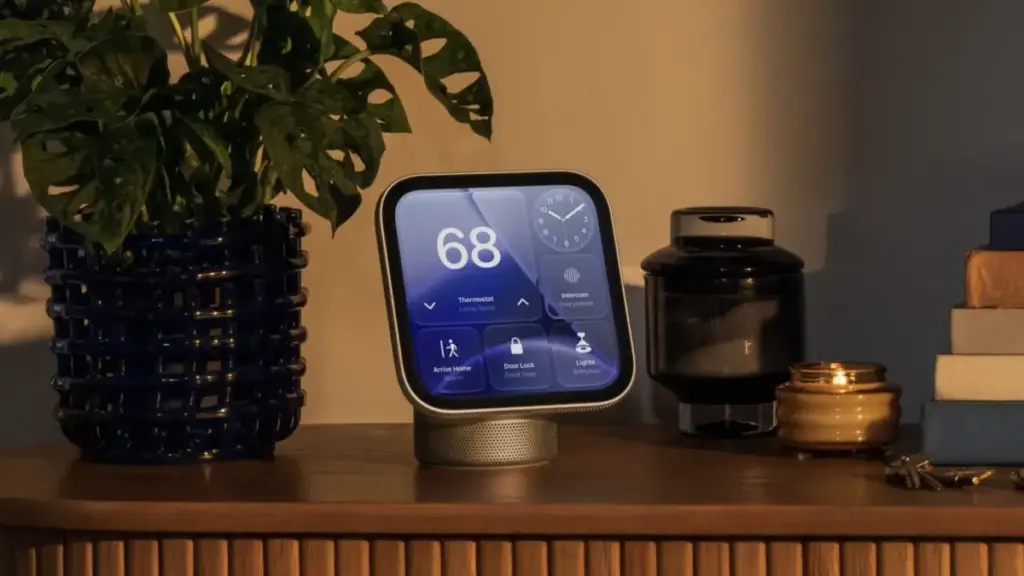
As Apple prepares to deepen its footprint in the smart home market, new evidence suggests that its highly anticipated smart display, rumored to be named HomeView, will be far more than just a centralized control hub. Recent discoveries within the company’s software backend indicate that the device is being engineered to function as a fully integrated HomeKit security camera. This dual-purpose functionality could position the HomeView as the most versatile piece of hardware in Apple’s home ecosystem to date, bridging the gap between a standard smart speaker and a comprehensive home monitoring system.
The revelation comes courtesy of a well-known code sleuther operating under the pseudonym pdfu, who has a history of uncovering hidden features within Apple’s pre-release software builds. By digging into the latest iterations of Apple’s internal code, pdfu found explicit references to security camera configurations designed specifically for the HomeView hardware. These findings suggest that Apple is not merely adding a camera for FaceTime or video conferencing, but is building a robust surveillance architecture directly into the device’s operating system.
According to the data found in HomeView software version 27.2, Apple is preparing a suite of controls that will allow users to toggle the device’s visual sensors between standard communication modes and dedicated security monitoring. This move aligns with Apple’s broader strategy of hardware consolidation, where a single device serves multiple roles—in this case, acting as a photo frame, a HomeKit controller, a media player, and a security sentry.
Streaming and Recording Video from HomeView
The technical details uncovered in the 27.2 software update point toward a highly customizable monitoring experience. The code includes specific toggles for both live streaming and video recording, indicating that the HomeView will likely support HomeKit Secure Video (HKSV). This service, which is a staple of Apple’s current home security offerings, provides end-to-end encryption for video feeds and stores recorded footage securely in iCloud, ensuring that even Apple cannot access the private data of its users.
The software strings discovered by pdfu reveal that users will be able to automate the camera’s behavior based on their location or the time of day. Specifically, the settings allow for the camera to be activated or deactivated across three primary states: when the user is at home, when they are away, or when the household is asleep. This granular control is essential for modern smart home users who demand a balance between high-level security and personal privacy.
For instance, a user might choose to have the camera completely disabled while they are moving about the house during the day to ensure total privacy. However, the system could be set to automatically transition into a recording state the moment the last registered iPhone leaves the geofenced perimeter of the home. Similarly, the "asleep" mode suggests a "night watchman" functionality, where the HomeView could monitor common areas for movement during the late hours, providing an extra layer of security while the residents are vulnerable.
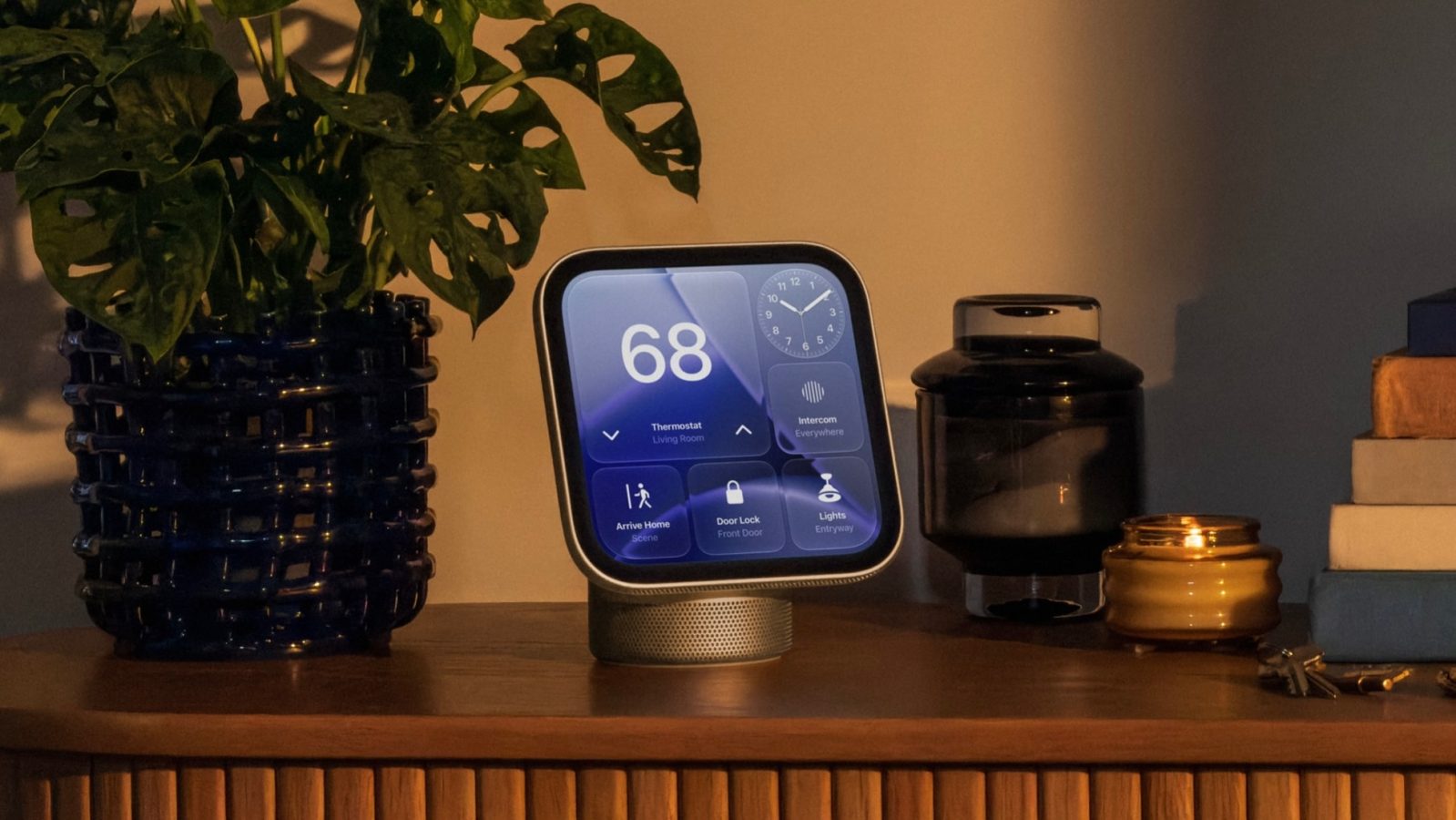
This integration suggests that the HomeView will feature a wide-angle lens capable of capturing a significant portion of a room, a necessity for any device intended to serve as a security camera. Given that smart displays are typically placed on kitchen counters, bedside tables, or living room shelves, the HomeView would be ideally positioned to provide a comprehensive view of the home’s most frequented areas.
Strong Privacy Protections and Anti-Abuse Measures
In keeping with Apple’s long-standing commitment to user privacy, the HomeView software includes several mandatory transparency features designed to prevent unauthorized or surreptitious monitoring. One of the most prominent features found in the code is a physical or digital indicator light that will illuminate whenever the camera is active. Unlike some third-party cameras that allow the status light to be disabled, the evidence suggests Apple will make this a permanent visual cue to ensure that anyone in the room is aware they are being watched or recorded.
Beyond visual indicators, the software also includes an audible component. A distinct sound or chime is programmed to trigger the moment streaming or recording commences. This provides an immediate alert to household members, serving as a secondary layer of transparency. Furthermore, Apple is implementing a system-wide notification protocol; whenever the HomeView camera is accessed, all registered members of the "Home" in the Apple ecosystem will receive a push notification on their personal devices. This ensures that no single user can monitor the household without the knowledge of others.
Perhaps the most significant discovery regarding privacy is a specific safeguard designed to prevent the device from being used as a tool for domestic surveillance or "stalkerware." The code indicates that if the system detects that any registered home members are currently present in the house—based on the location of their Apple devices—the security camera feature cannot be activated remotely. In this scenario, the camera can only be turned on through a physical interaction with the HomeView device itself.
This restriction is a proactive step toward mitigating the risks of domestic abuse and digital stalking. By requiring physical presence to activate the camera when others are home, Apple effectively prevents a disgruntled partner or a suspicious family member from using the device to spy on people in real-time from a remote location. It is a nuanced design choice that reflects a growing awareness in the tech industry regarding how smart home technology can be weaponized in domestic settings.
The Strategic Value of a Multi-Purpose Display
The inclusion of security camera features could significantly alter the market perception of the HomeView. For many consumers, a smart display is often viewed as a luxury rather than a necessity—a "nice to have" gadget for checking the weather or controlling lights. However, by integrating a security camera that ties directly into the existing HomeKit Secure Video ecosystem, Apple is providing a more compelling "all-in-one" value proposition.
Standalone high-quality security cameras often retail for significant sums and sometimes require separate subscriptions. By bundling this functionality into the HomeView, Apple may justify a higher price point for the hardware while simultaneously driving more users toward higher-tier iCloud+ storage plans, which are required for HomeKit Secure Video recording.

From a competitive standpoint, this move puts Apple in direct contention with Amazon’s Echo Show and Google’s Nest Hub Max, both of which offer similar camera-based features. However, Apple’s differentiator remains its "Privacy First" branding. While competitors have faced scrutiny over how their camera data is handled or accessed by employees, Apple’s reliance on on-device processing and end-to-end encryption serves as a major selling point for privacy-conscious buyers.
The "9to5Mac’s Take" on these developments suggests that these features are a logical and worthwhile addition to the device’s capabilities. For those who have been hesitant to invest in Apple’s smart home ecosystem due to the lack of a centralized "command center" with a screen, the HomeView is shaping up to be a definitive answer. The combination of a high-resolution display, a Siri-powered interface, and a privacy-focused security camera makes for a powerful entry into the category.
As the smart home landscape continues to evolve with the adoption of the Matter standard, Apple’s decision to build sophisticated security features into its own branded hardware shows a desire to maintain a "walled garden" of premium experiences. While HomeView will likely support Matter-compatible devices, the deepest integrations and most advanced privacy features will almost certainly be reserved for those fully immersed in the Apple environment.
The discovery of these settings in software version 27.2 suggests that development is well-advanced. While Apple has not yet officially announced the HomeView or its release date, the presence of such detailed camera controls in the firmware indicates that the hardware is likely nearing a production-ready state. For Apple enthusiasts and smart home adopters, the HomeView is increasingly looking like the central piece of the puzzle that has been missing from the HomeKit lineup for years.
Ultimately, the success of the HomeView will depend on how seamlessly these features work in tandem. If Apple can deliver a device that serves as a beautiful digital photo frame by day and a vigilant, privacy-respecting security guard by night, it may well set a new standard for what consumers expect from the screens in their homes. For now, the leaked code provides a fascinating glimpse into a future where Apple’s vision for the home is more integrated, more secure, and more protective of its users than ever before.
 Smart Home & IoT Solutions
Apple Revolutionizes the Smart Home with AI-Driven Upgrades in iOS 27
As Apple prepares to host its highly anticipated "Welcome Home" special event...
 Smart Home & IoT Solutions
Apple’s Smart Home Ambitions Expand with LG Partnership and Exclusive ‘Proximity Control’ Features
As the technology industry looks toward Apple’s upcoming "Welcome Home" special event...
 Smart Home & IoT Solutions
Simplicity as a Feature: Why the Apple Home Collection Represents a Turning Point for Smart Home Adoption
The technology industry has a tendency to operate within a vacuum, often...







