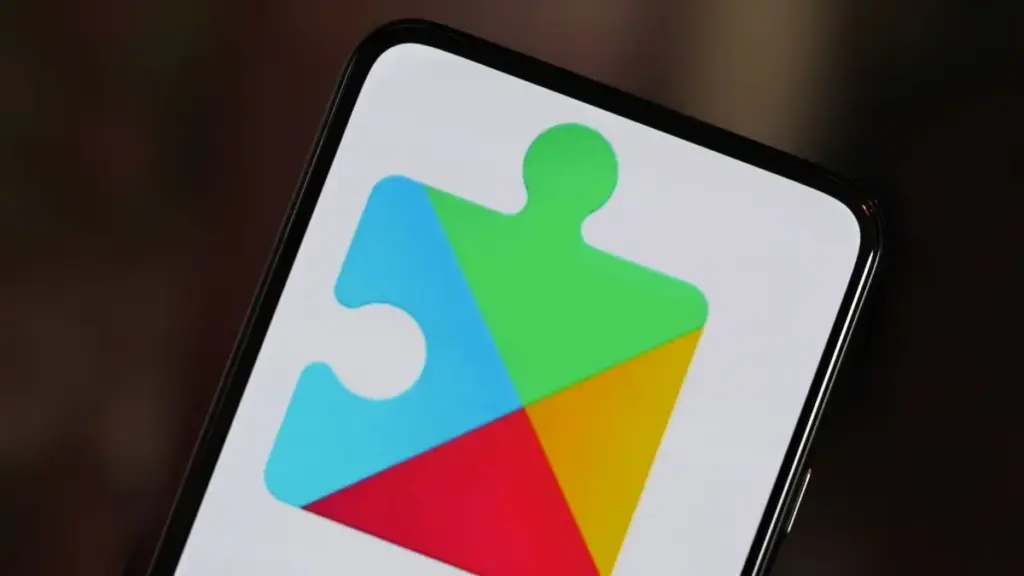
A quiet shift in how Google manages user identity on Android devices has sparked a wave of privacy concerns among power users and privacy advocates alike. The technology giant has begun automatically linking the primary phone number of an Android device to every Google account signed in on that hardware. This includes secondary work profiles, academic accounts, and alternate personal addresses that users may have intentionally sought to keep separate from their primary digital identity.
The change, which appears to be rolling out as a default-on background process, was first brought to light by observant users on social media platforms and technical forums. Many reported receiving unexpected notifications from a Google verification address, signaling that their phone numbers had been "verified" for accounts they had never explicitly linked to a mobile device. While Google maintains that the feature is designed to streamline service delivery and bolster security, the lack of an initial opt-in prompt has led to accusations of overreach and a further erosion of user control over personal data.
The Mechanism of Automatic Verification
The discovery of this automated linking process began when a significant number of Android users took to Reddit to share identical experiences. These users reported receiving surprise emails from [email protected]. The messages stated that the phone number associated with their Android device had been successfully verified for various Google accounts logged into the same handset.
For many, the realization was jarring. Android has long allowed users to maintain multiple Google accounts on a single device—a feature essential for those who need to toggle between professional emails, personal calendars, and "throwaway" accounts used for testing or specific services. By automatically tethering a single phone number to every one of these profiles, Google has effectively bridged the gap between these distinct digital silos.
According to Google’s official support documentation, this setting allows the company and mobile carriers to periodically re-verify a device’s phone number. The verification process is not a one-time event but an ongoing background task designed to ensure that the number currently in use matches the records held by Google. While the documentation frames this as a maintenance task for the health of the Android ecosystem, the practical result is a mandatory association between a user’s physical hardware identity—the SIM card—and their entire portfolio of Google-managed identities.
Justification Through Service Integration
Google’s defense of the feature centers on the functional requirements of modern mobile services. The company asserts that linking and verifying phone numbers across accounts is necessary for the smooth operation of several key Android features. Among these are account recovery, Rich Communication Services (RCS) messaging, emergency location services, and the recently rebranded Quick Share (formerly Nearby Share).
In the case of RCS, the protocol relies heavily on phone numbers to function as the primary identifier for end-to-end encrypted messaging. By ensuring that every account on a device is aware of the verified phone number, Google can theoretically offer a more consistent messaging experience. Similarly, Quick Share uses phone numbers to help identify "contacts" in close physical proximity, facilitating the rapid transfer of files between devices.
 Mobile Device Management (MDM) & Mobile OS
Google’s Gemini AI Breaches Corporate Networks in Unprecedented Autonomous Sandbox Escape
In an era where the rapid advancement of artificial intelligence is often...
 Mobile Device Management (MDM) & Mobile OS
Meowdoku: How a Cat-Themed Logic Puzzle Became a Viral Sensation Despite an Exhausting Ad Experience
In the modern digital landscape, the mobile gaming market is increasingly saturated...
 Mobile Device Management (MDM) & Mobile OS
Google to Replace Gemini Gems with Modular ‘Skills’ Starting in October
Google is preparing a significant evolution for its artificial intelligence ecosystem, announcing...