
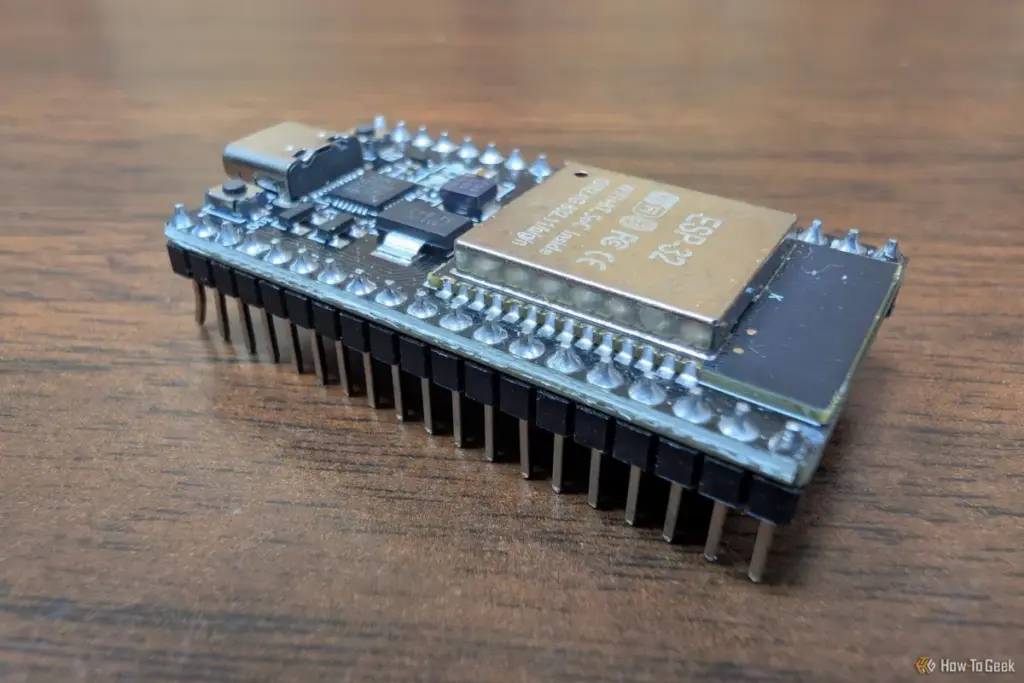
The landscape of the modern smart home is often dominated by a few massive ecosystems, where convenience frequently comes at the cost of privacy and long-term hardware support. However, a growing community of enthusiasts and engineers is turning toward a more modular, open-source approach centered on the ESP32 microcontroller. These boards, characterized by their affordability and integrated connectivity—including Wi-Fi, Bluetooth, and increasingly, Thread and Zigbee support—have become the bedrock of a DIY movement that prioritizes local control and customization.
For many homeowners, the entry point into home automation involves purchasing "plug-and-play" devices that require constant internet connectivity and proprietary apps. The alternative, utilizing the ESP32, offers a different path: one where the user owns the data and the logic. Because these boards are inexpensive, they serve as ideal platforms for experimental projects. Even if a specific implementation fails to meet expectations, the hardware remains a versatile asset that can be wiped and repurposed for an entirely different task, representing a sustainable and cost-effective approach to domestic technology.
By integrating these microcontrollers with platforms like Home Assistant and ESPHome, users can create sophisticated, specialized devices that often outperform their commercial counterparts. Here are four significant projects that demonstrate how the ESP32 can be used to solve common household frustrations while maintaining a secure, locally managed ecosystem.
A Sunrise Alarm That Wakes You With Light Instead of Noise
The traditional morning routine for millions of people begins with the jarring, repetitive chime of a digital alarm clock. This sudden acoustic shock is designed to force the brain into consciousness, but it often results in "sleep inertia," a state of grogginess that can persist long after leaving the bed. To combat this, makers are increasingly turning to the concept of the sunrise alarm, a device that uses light to gently transition the body from sleep to wakefulness.
By combining an ESP32 with an addressable LED strip and the open-source WLED software, users can create a lighting system that mimics the natural progression of the sun. Unlike standard light bulbs, which may only offer a simple on-off state or basic dimming, addressable LED strips—specifically those using RGBW (Red, Green, Blue, and Dedicated White) technology—allow for a nuanced color spectrum. This is crucial for a convincing sunrise simulation, as the sequence should ideally begin with deep, warm reds and oranges, gradually shifting toward a bright, cool white that signals the start of the day.
The biological premise behind these devices is rooted in the human circadian rhythm. Studies have suggested that gradual light exposure in the morning can suppress melatonin production and increase cortisol levels more naturally than a sound-based alarm. When integrated into a smart home via Home Assistant, the ESP32-based sunrise alarm can be synchronized with a smartphone’s "next alarm" sensor. This allows the light to begin its 20-to-60-minute "rise" automatically, ensuring the peak brightness coincides exactly with the desired wake-up time. The result is a more pleasant, less intrusive start to the day that works with the body’s natural chemistry rather than against it.
Presence Detection Through mmWave Radar Technology
One of the most persistent challenges in home automation is accurately determining if a room is occupied. For years, the industry has relied on Passive Infrared (PIR) sensors. While effective at detecting broad movement, such as someone walking into a room, PIR sensors are notoriously flawed when it comes to "static presence." If a person sits down to read a book or work at a desk, they eventually become "invisible" to a PIR sensor, leading to the common and frustrating experience of the lights turning off while the room is still very much in use.
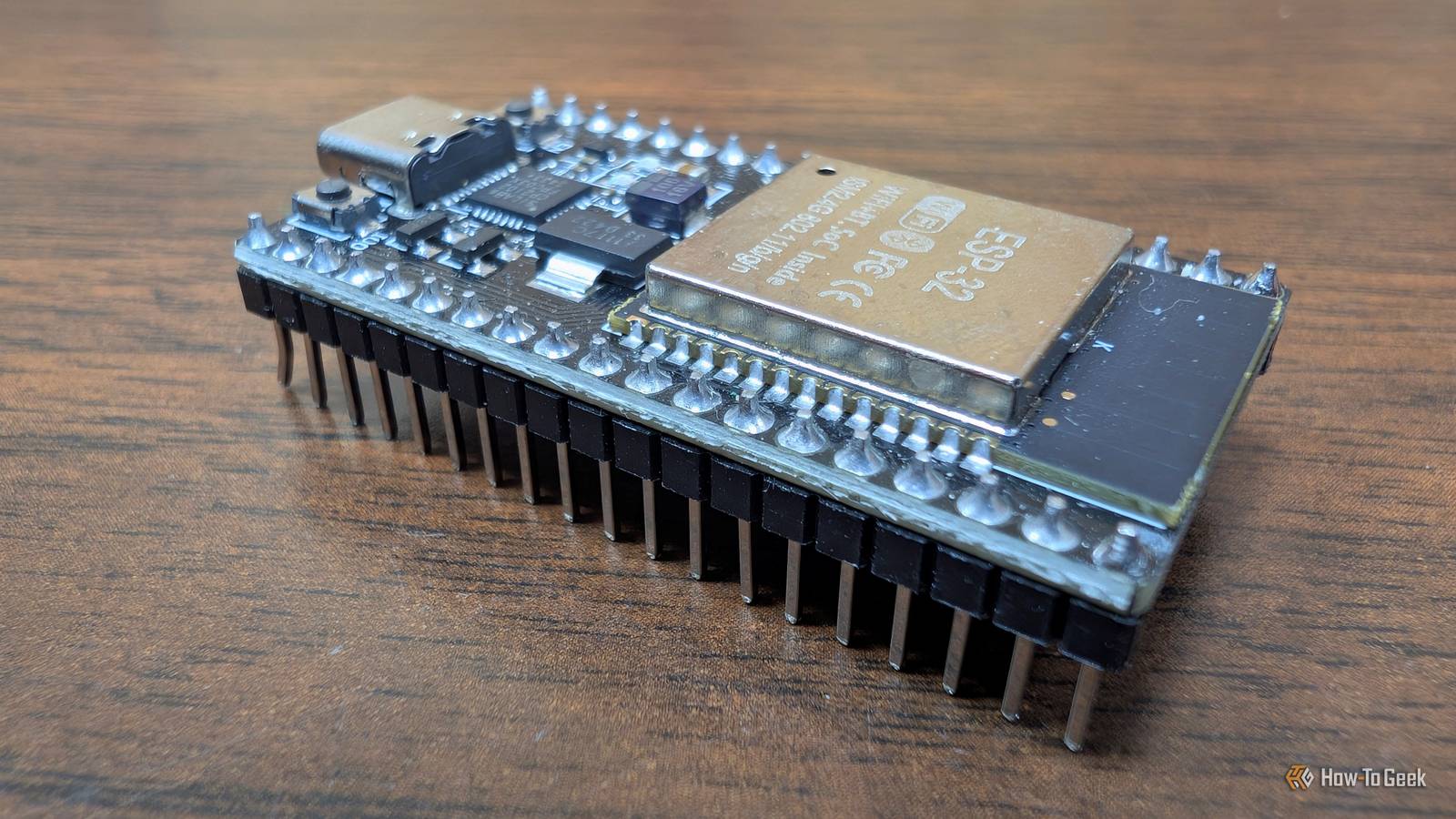
The solution to this "frozen person" problem lies in mmWave (millimeter-wave) radar technology. By pairing an ESP32 with a 24GHz mmWave module, such as the LD2410, users can create presence sensors that are sensitive enough to detect the minute movements of human breathing or the slight shift of a person in a chair. This technology functions similarly to radar, emitting high-frequency waves and measuring the reflection to detect even the most subtle changes in the environment.
From a practical standpoint, this transforms how a smart home reacts to its inhabitants. Instead of setting a five-minute timer on a motion sensor and hoping for the best, a mmWave-equipped room can maintain the lights, climate control, or music as long as someone is physically present. When implemented through ESPHome, these sensors allow for fine-tuned calibration, enabling users to "zone" their rooms or adjust sensitivity levels to prevent false positives from moving curtains or oscillating fans. At a hardware cost that often totals less than ten dollars, these DIY sensors provide a level of sophistication that was once reserved for high-end industrial automation.

Local Voice Assistants and the Privacy Frontier
The rise of voice-controlled assistants like Amazon’s Alexa and Google Assistant has brought undeniable convenience to the home, but it has also sparked significant privacy concerns. Many users are uncomfortable with the idea of a microphone constantly streaming audio to a corporate cloud for processing. Furthermore, the reliance on external servers means that if the internet goes down, or if a company decides to end support for a specific device, the "smart" functionality vanishes.
The ESP32-S3 has emerged as a powerful tool for those seeking a "local-first" alternative. This specific variant of the ESP32 includes hardware acceleration for AI-related tasks, making it capable of running lightweight machine-learning models directly on the device. Using a framework like microWakeWord, the ESP32-S3 can listen for a specific "wake word" without ever sending audio data outside the home network. Once the wake word is detected, the subsequent command is piped to a local server—such as a dedicated PC or a powerful single-board computer—running local large language models (LLMs) or speech-to-text engines like Whisper.
This architecture ensures that the "intelligence" of the home remains entirely under the owner’s control. Users can experiment with various open-source models, such as Kokoro for high-quality text-to-speech or Llama-based models for interpreting complex natural language commands. While these DIY setups may lack the polished multi-room audio sync of a high-end commercial ecosystem, they offer a level of security and customization that no "off-the-shelf" product can match. Whether it is used to control lighting or act as a hands-free kitchen assistant, the local voice assistant represents the ultimate expression of digital sovereignty in the modern home.
Upgrading Traditional Appliances with Laundry Notifiers
The push toward "smart" appliances has introduced a host of new problems to the modern kitchen and laundry room. High-tech washing machines and dryers are often more expensive to purchase, more difficult to repair, and prone to software glitches that can render the entire unit useless. For many, a "dumb" washer that is mechanically sound is preferable to a "smart" one that requires a firmware update to spin.
However, the primary benefit of a smart washer—the notification that a load is finished—can be easily added to any existing machine using an ESP32 and a simple vibration sensor or accelerometer, such as the MPU6050. By securely attaching the sensor to the exterior of the appliance, the ESP32 can monitor the mechanical vibrations of the wash or dry cycle. When the vibration ceases for a predetermined amount of time, the microcontroller sends a signal through the home network to trigger a notification.
A key technical detail in this project is the use of software filters, such as the delayed_off function in ESPHome. Washing machines often have pauses between cycles, and without a delay filter, a sensor might send a "finished" alert prematurely. By configuring the system to wait and ensure the machine has truly stopped, users can create a reliable notification system that works with any appliance, regardless of its age. Advanced users can even integrate NFC readers, allowing family members to "tap in" when they start a load so the notification is sent only to the person responsible for that specific batch of laundry.
The Philosophy of the DIY Smart Home
The success of these projects depends not only on the code but also on the physical implementation. For those beginning their journey with the ESP32, the consensus among the maker community is to prioritize hardware with modern standards, such as USB-C for power and data, and to ensure compatibility with established platforms like ESPHome. Additionally, as these devices are often placed in living areas, the use of 3D-printed or commercially available enclosures is recommended to protect the delicate wiring and provide a professional finish.
What makes the ESP32 ecosystem truly powerful is the way these individual projects can be stacked and integrated. A presence sensor can inform a thermostat, which in turn can be overridden by a voice command, while a sunrise alarm coordinates with motorized blinds to flood a room with natural light. This interconnectedness is achieved through open protocols rather than restrictive corporate APIs.
Ultimately, the shift toward DIY smart home technology is about more than just saving money or tinkering with electronics. it is about reclaiming the home as a private, functional space that serves the needs of its inhabitants without requiring a constant tether to the cloud. As hardware becomes more capable and software more accessible—facilitated by the rise of AI-assisted "vibe coding"—the barrier to entry for these projects continues to fall, allowing more people to build a home that is truly, and privately, smart.
 Tech Tutorials & How-To Guides
To Boldly Go From Your Desktop: Celebrating 60 Years of Star Trek Through Modern Tech Hobbies
As the calendar turns to late 2026, the global science fiction community...
 Tech Tutorials & How-To Guides
The Great Big-Box Battle: Evaluating the Power Tool Ecosystems of Ryobi, Craftsman, and Hyper Tough
For the modern homeowner or the burgeoning DIY enthusiast, the walk down...
 Tech Tutorials & How-To Guides
Beyond the Slicer: Why MeshLab Remains the Essential Tool for Repairing Corrupt 3D Models
The world of 3D printing has evolved from a niche hobby for...






