
Upgrading Traditional Appliances with Laundry Notifiers
The push toward "smart" appliances has introduced a host of new problems to the modern kitchen and laundry room. High-tech washing machines and dryers are often more expensive to purchase, more difficult to repair, and prone to software glitches that can render the entire unit useless. For many, a "dumb" washer that is mechanically sound is preferable to a "smart" one that requires a firmware update to spin.
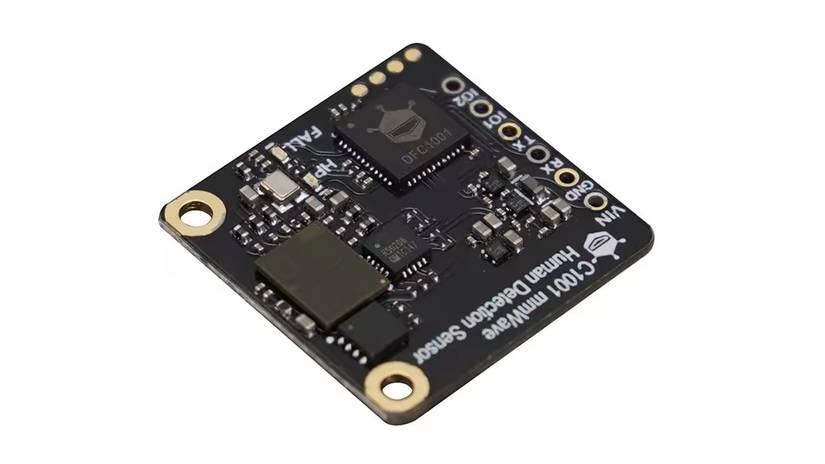
However, the primary benefit of a smart washer—the notification that a load is finished—can be easily added to any existing machine using an ESP32 and a simple vibration sensor or accelerometer, such as the MPU6050. By securely attaching the sensor to the exterior of the appliance, the ESP32 can monitor the mechanical vibrations of the wash or dry cycle. When the vibration ceases for a predetermined amount of time, the microcontroller sends a signal through the home network to trigger a notification.
A key technical detail in this project is the use of software filters, such as the delayed_off function in ESPHome. Washing machines often have pauses between cycles, and without a delay filter, a sensor might send a "finished" alert prematurely. By configuring the system to wait and ensure the machine has truly stopped, users can create a reliable notification system that works with any appliance, regardless of its age. Advanced users can even integrate NFC readers, allowing family members to "tap in" when they start a load so the notification is sent only to the person responsible for that specific batch of laundry.
The Philosophy of the DIY Smart Home
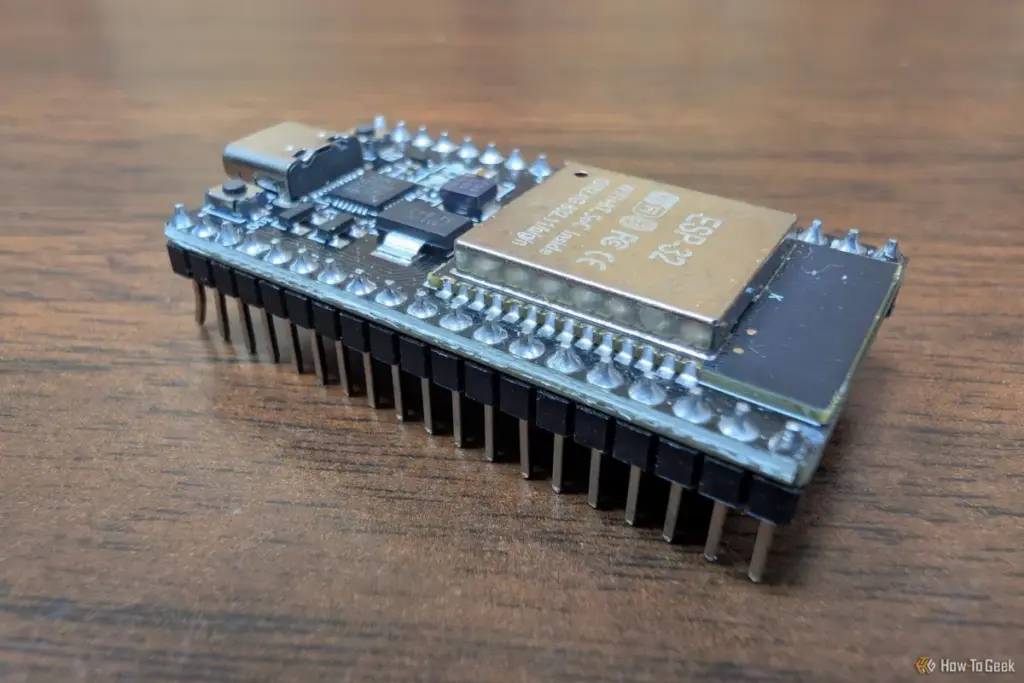
The success of these projects depends not only on the code but also on the physical implementation. For those beginning their journey with the ESP32, the consensus among the maker community is to prioritize hardware with modern standards, such as USB-C for power and data, and to ensure compatibility with established platforms like ESPHome. Additionally, as these devices are often placed in living areas, the use of 3D-printed or commercially available enclosures is recommended to protect the delicate wiring and provide a professional finish.
What makes the ESP32 ecosystem truly powerful is the way these individual projects can be stacked and integrated. A presence sensor can inform a thermostat, which in turn can be overridden by a voice command, while a sunrise alarm coordinates with motorized blinds to flood a room with natural light. This interconnectedness is achieved through open protocols rather than restrictive corporate APIs.
Ultimately, the shift toward DIY smart home technology is about more than just saving money or tinkering with electronics. it is about reclaiming the home as a private, functional space that serves the needs of its inhabitants without requiring a constant tether to the cloud. As hardware becomes more capable and software more accessible—facilitated by the rise of AI-assisted "vibe coding"—the barrier to entry for these projects continues to fall, allowing more people to build a home that is truly, and privately, smart.
 Tech Tutorials & How-To Guides
Balancing the Spooky Season: Paramount+ Highlights Comedic Classics and Dystopian Thrills This October
As the calendar turns deep into October, the cultural landscape shifts toward...
 Tech Tutorials & How-To Guides
Reliability Without the Premium Price: The Evolution of Affordable Multi-Tools for Modern Everyday Carry
The concept of "Everyday Carry," or EDC, has evolved from a niche...
 Tech Tutorials & How-To Guides
Streaming This Weekend: Horror Prequels, Marvel Returns, and High-Stakes Political Dramas Lead the Lineup
As the calendar turns toward the midpoint of October, the entertainment landscape...






