
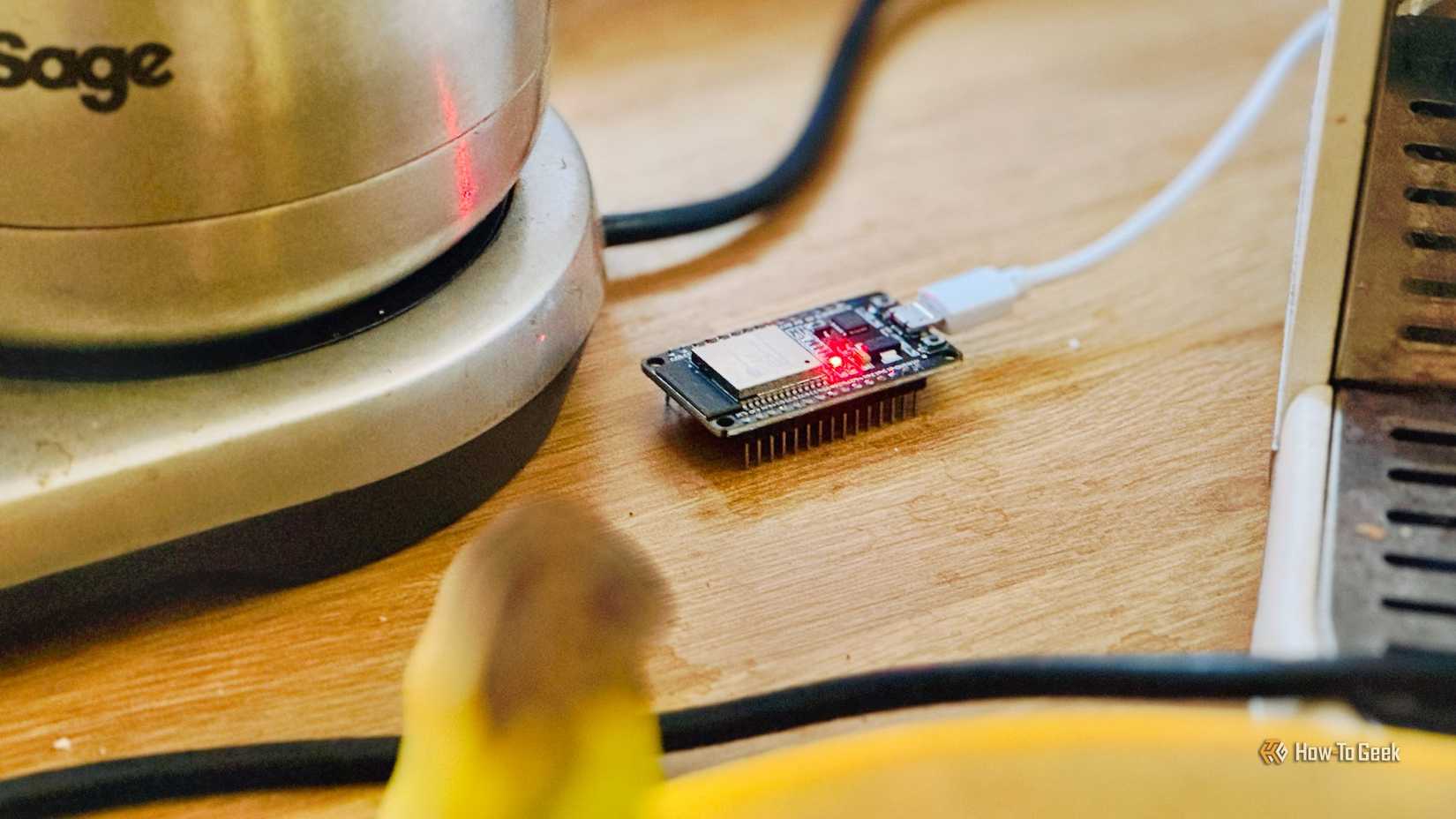
The landscape of home automation has undergone a radical shift over the last decade. What was once the exclusive domain of high-end custom installations costing thousands of dollars has been democratized by a wave of affordable, open-source hardware. At the center of this movement is the ESP32, a versatile and remarkably inexpensive microcontroller that has become the darling of the "prosumer" tech community. While many enthusiasts view these devices as mere components for hobbyist experimentation, a growing body of evidence suggests that strategically deployed ESP32 projects are more than just toys; they are sophisticated financial tools capable of paying for themselves through energy savings, waste reduction, and risk mitigation.
Adam Davidson, a veteran technology writer with a background in engineering, argues that the true value of the ESP32 lies in its ability to solve specific, localized problems that commercial "off-the-shelf" products often overlook or overcharge for. By integrating basic sensors that cost only a few dollars, users can build custom solutions that outperform expensive brand-name alternatives. The beauty of these projects, Davidson notes, is that they often require minimal interaction once configured, operating behind the scenes to create a home that functions with a sense of "magic" rather than manual effort.

Precision Climate Control Through Presence Detection
One of the most significant drains on a household budget is the inefficiency of central heating and cooling systems. Traditional smart thermostats have made strides in this area by utilizing geofencing—a technology that uses a resident’s smartphone location to determine when the house is empty. However, geofencing is a blunt instrument; it knows if you are in the building, but it cannot distinguish between an occupied living room and an empty guest bedroom.
The ESP32 offers a more granular solution to this problem through advanced presence detection. By flashing an ESP32 with Bluetooth proxy firmware and utilizing integrations such as the Bermuda Home Assistant, homeowners can track the precise location of wearable devices and smartphones within the house. This allows the smart home system to estimate which specific rooms are occupied at any given time.
The financial implications of this room-level awareness are substantial. By dynamically adjusting smart radiator valves or air conditioning units based on actual room occupancy, users can stop the wasteful practice of climate-controlling empty spaces. For those seeking even higher precision, the ESP32 can be paired with mmWave (millimeter-wave) sensors like the LD2410. Unlike traditional PIR (Passive Infrared) sensors, which only detect significant movement, mmWave sensors are sensitive enough to detect the micro-movements of a person breathing. This ensures that the heating doesn’t shut off while someone is quietly reading a book or watching a movie, providing a seamless balance between comfort and cost-cutting.

Optimizing Appliance Energy Consumption
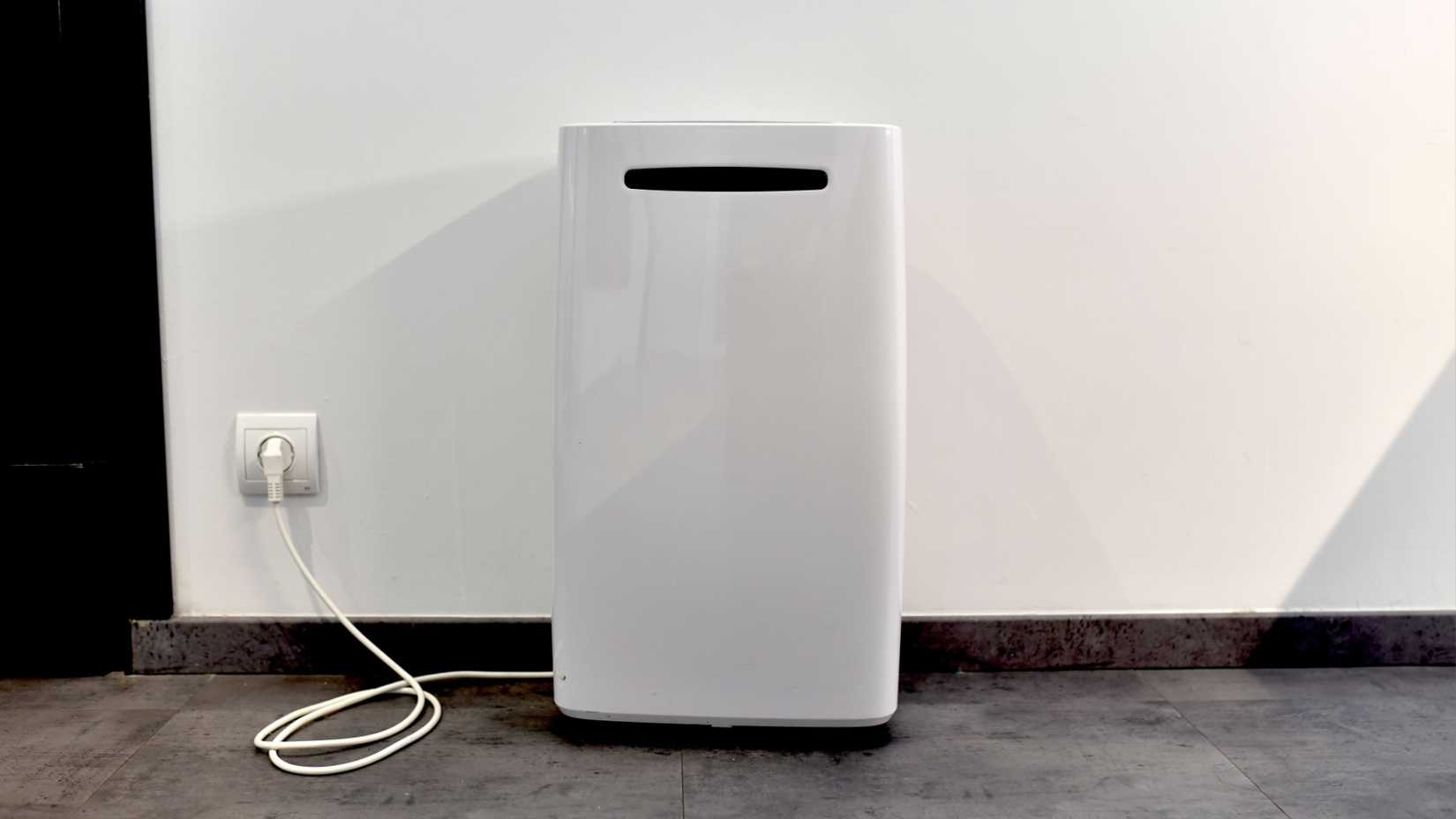
Beyond climate control, the ESP32 serves as an effective watchdog for energy-intensive appliances. Dehumidifiers, for instance, are notorious for their high power draw. While many modern units come with built-in humidistats, these internal sensors are often inaccurate due to their proximity to the machine’s own damp coils and exhaust. Furthermore, many "smart" dehumidifiers rely on proprietary cloud services that can become unresponsive if the manufacturer’s servers go down or if the user’s internet connection flickers.
By connecting an ESP32 to a high-quality temperature and humidity sensor, such as the DHT22 or AM2302, a user can create a localized monitoring station placed at an ideal distance from the appliance. When integrated with a smart plug and a local control platform like Home Assistant, the ESP32 can dictate exactly when the dehumidifier should run. This prevents the device from struggling to extract moisture from an already dry room, significantly reducing the "vampire" energy load on the household. Because the logic remains local to the home network, the system remains functional and secure, regardless of the status of external cloud providers.
Reducing Domestic Waste and Replacement Costs
The financial benefits of DIY smart home technology also extend to the preservation of household assets, specifically in the realm of indoor gardening. The "black thumb" phenomenon—the tendency to accidentally kill houseplants through inconsistent watering—is a hidden cost for many homeowners who find themselves repeatedly replacing expensive greenery.
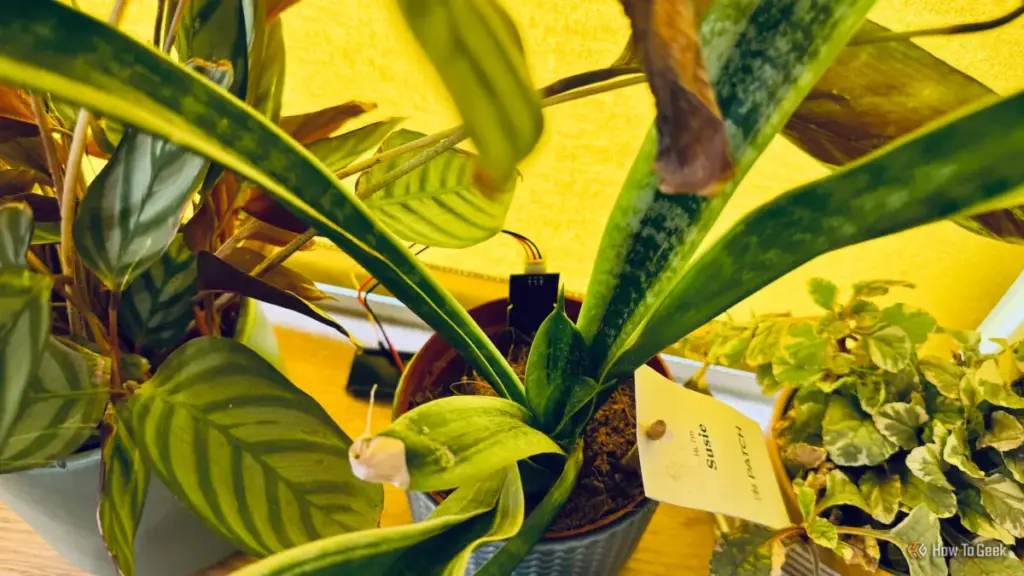
The ESP32 provides a data-driven approach to plant care that removes the guesswork associated with manual soil checks. By connecting the board to a capacitive soil moisture sensor, users can receive real-time data on the hydration levels of their plants. For those who prefer a standalone solution without the complexity of a central server, the ESP32 can be programmed to use its onboard LED as a visual alert system. When the soil moisture drops below a critical threshold, the LED flashes, providing an immediate, non-intrusive reminder to water the plant. This simple intervention can save a significant amount of money over time by extending the lifespan of houseplants and preventing the waste of resources.
Mitigating High-Stakes Risks: Leak Detection and Food Security
Perhaps the most compelling argument for the deployment of ESP32 sensors is their role in disaster prevention. Water damage is one of the leading causes of home insurance claims, and even a minor leak behind a washing machine or under a sink can escalate into a multi-thousand-dollar repair if left undetected.
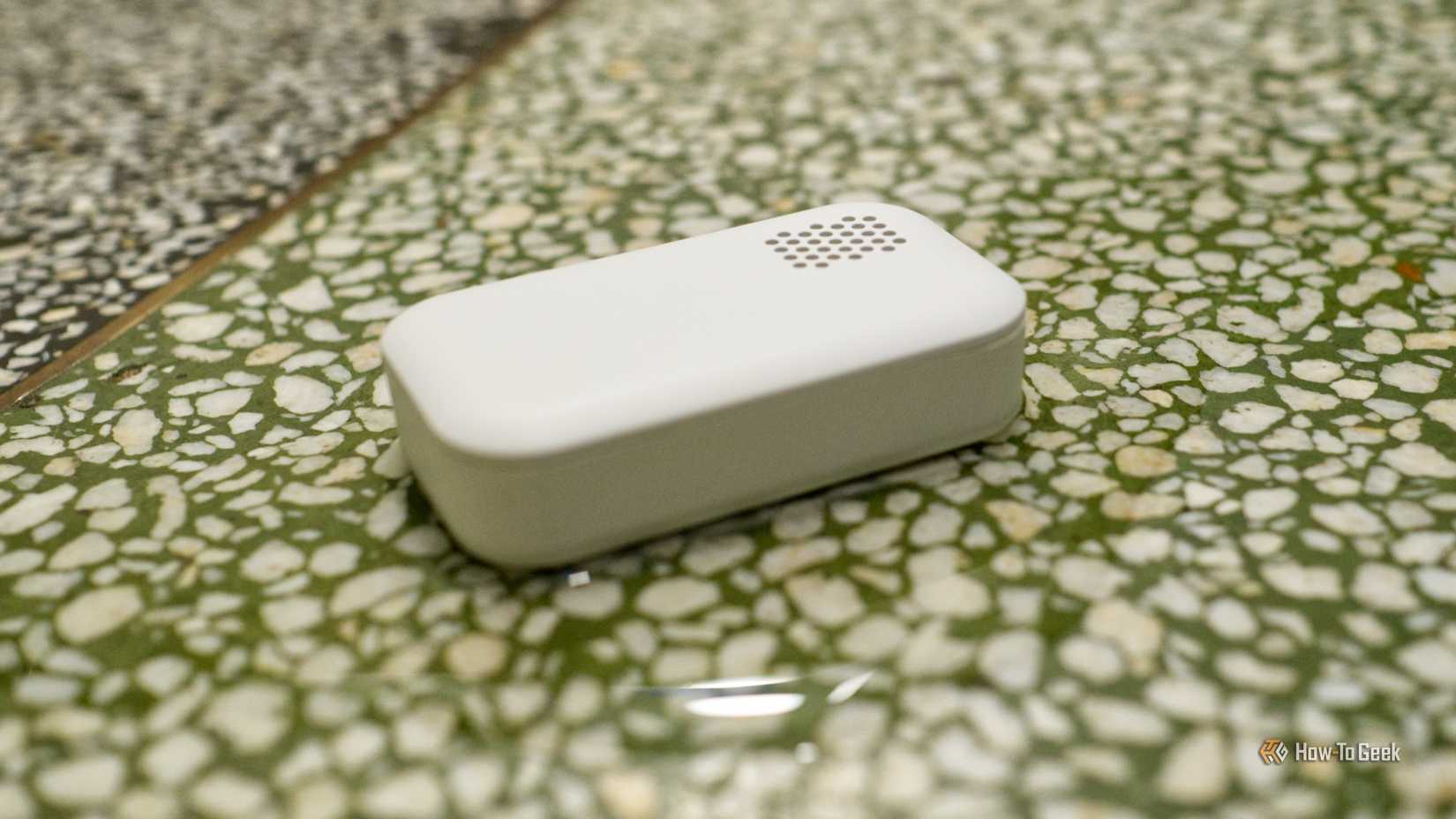
Commercial leak sensors are available, but their cost often discourages homeowners from placing them in every vulnerable location. The affordability of the ESP32 changes this dynamic. Because the boards and water-sensing modules are so inexpensive, it becomes financially feasible to create a "dense" sensor network, placing units under every pipe, appliance, and radiator in the home. Catching a leak in its first few minutes rather than after several hours can be the difference between a quick mop-up and a total floor replacement.
A similar logic applies to food security within the home. A malfunctioning freezer or a door left slightly ajar can lead to the loss of hundreds of dollars in groceries. The ESP32 can be configured to monitor these appliances in several ways. Simple magnetic contact sensors can alert a user if a door remains open for more than a few minutes, while waterproof temperature probes can be snaked into the freezer compartment to monitor internal conditions. Ready-made modules that include the necessary resistors and probes allow for easy assembly, providing a high-tech insurance policy against food spoilage.
Lowering the Barrier to Entry with ESPHome and AI
Historically, the primary obstacle to implementing these projects was the requirement for advanced coding knowledge. Writing C++ code for microcontrollers is a daunting task for the average consumer. However, the emergence of ESPHome has fundamentally changed the accessibility of the ESP32. ESPHome allows users to create complex firmware using simple configuration files, focusing on what the device should do rather than how the code should be written.
Furthermore, the rise of generative AI has provided a bridge for those who still find configuration files intimidating. AI chatbots are now capable of generating accurate ESPHome configurations based on simple natural language descriptions of the hardware being used. This synergy between low-cost hardware, simplified software, and AI assistance has created a unique moment in time where the average homeowner can build professional-grade monitoring systems for the price of a cup of coffee.
The shift toward these DIY solutions reflects a broader trend in the technology sector: a move away from closed, expensive ecosystems toward open, local-first architectures. By leveraging the power of the ESP32, consumers are discovering that they can achieve a more responsive and efficient home while simultaneously reducing their monthly expenses. As energy prices and the cost of living continue to fluctuate, the ability to automate savings through inexpensive, "magical" technology is becoming less of a hobby and more of a practical necessity for the modern household.
 Tech Tutorials & How-To Guides
Balancing the Spooky Season: Paramount+ Highlights Comedic Classics and Dystopian Thrills This October
As the calendar turns deep into October, the cultural landscape shifts toward...
 Tech Tutorials & How-To Guides
Battle of the Store Brands: How Ryobi, Craftsman, and Hyper Tough Reshape the DIY Power Tool Market
In the modern landscape of home improvement, the barrier to entry for...
 Tech Tutorials & How-To Guides
Beyond the Brand: Why Even Premium Power Drills Fail Due to Common Operational Habits
In the modern landscape of home improvement and professional construction, the cordless...







