
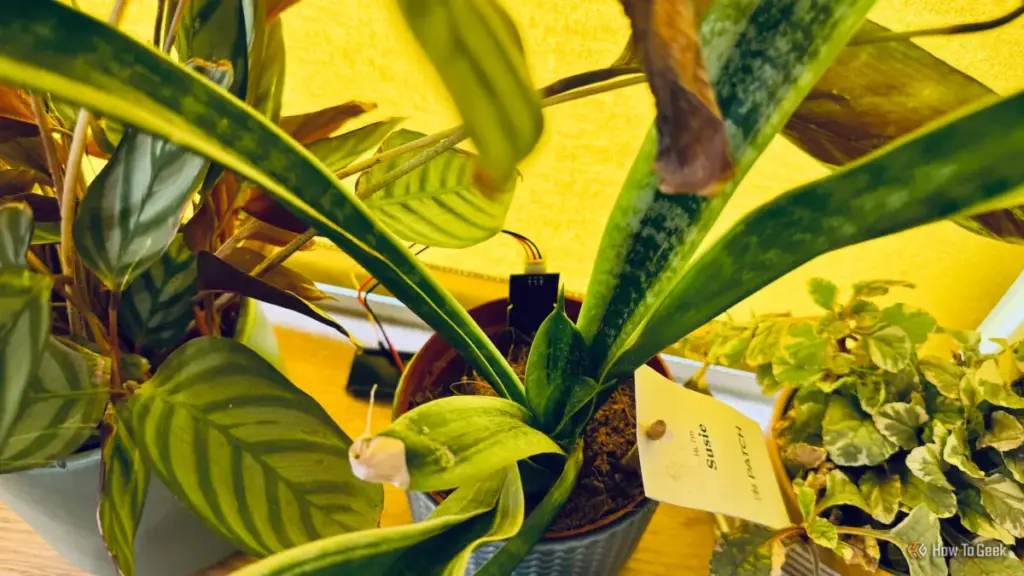
Commercial leak sensors are available, but their cost often discourages homeowners from placing them in every vulnerable location. The affordability of the ESP32 changes this dynamic. Because the boards and water-sensing modules are so inexpensive, it becomes financially feasible to create a "dense" sensor network, placing units under every pipe, appliance, and radiator in the home. Catching a leak in its first few minutes rather than after several hours can be the difference between a quick mop-up and a total floor replacement.
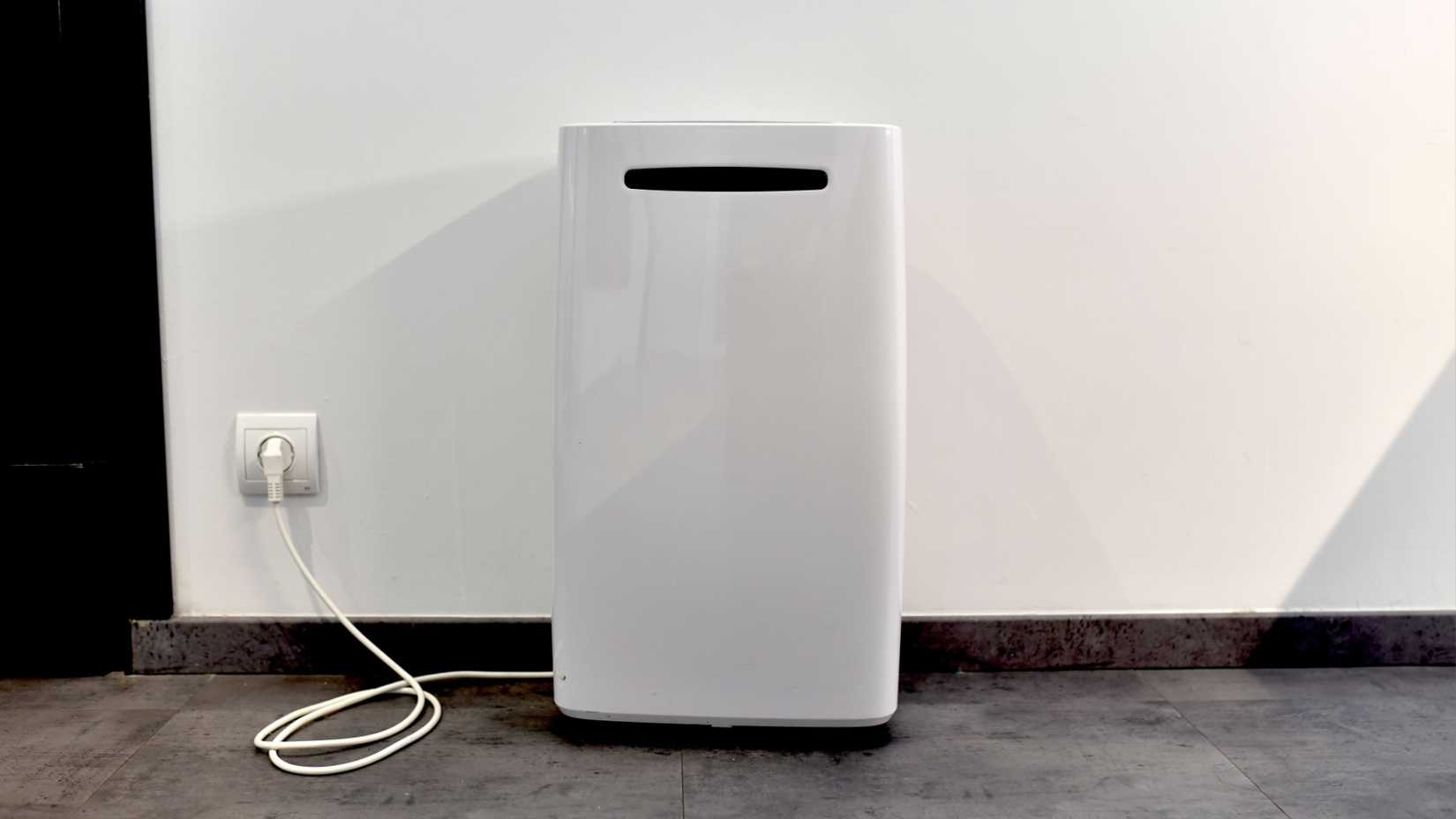
A similar logic applies to food security within the home. A malfunctioning freezer or a door left slightly ajar can lead to the loss of hundreds of dollars in groceries. The ESP32 can be configured to monitor these appliances in several ways. Simple magnetic contact sensors can alert a user if a door remains open for more than a few minutes, while waterproof temperature probes can be snaked into the freezer compartment to monitor internal conditions. Ready-made modules that include the necessary resistors and probes allow for easy assembly, providing a high-tech insurance policy against food spoilage.
Lowering the Barrier to Entry with ESPHome and AI
Historically, the primary obstacle to implementing these projects was the requirement for advanced coding knowledge. Writing C++ code for microcontrollers is a daunting task for the average consumer. However, the emergence of ESPHome has fundamentally changed the accessibility of the ESP32. ESPHome allows users to create complex firmware using simple configuration files, focusing on what the device should do rather than how the code should be written.
Furthermore, the rise of generative AI has provided a bridge for those who still find configuration files intimidating. AI chatbots are now capable of generating accurate ESPHome configurations based on simple natural language descriptions of the hardware being used. This synergy between low-cost hardware, simplified software, and AI assistance has created a unique moment in time where the average homeowner can build professional-grade monitoring systems for the price of a cup of coffee.

The shift toward these DIY solutions reflects a broader trend in the technology sector: a move away from closed, expensive ecosystems toward open, local-first architectures. By leveraging the power of the ESP32, consumers are discovering that they can achieve a more responsive and efficient home while simultaneously reducing their monthly expenses. As energy prices and the cost of living continue to fluctuate, the ability to automate savings through inexpensive, "magical" technology is becoming less of a hobby and more of a practical necessity for the modern household.
 Tech Tutorials & How-To Guides
Google Transitions Beyond Chromebooks: A Deep Look at the New Googlebook OS and Its Enhanced Local File Management
The landscape of portable computing has undergone a seismic shift with the...
 Tech Tutorials & How-To Guides
The Linux Mint Paradox: Why the ‘Windows Alternative’ May Not Be the Gateway It’s Marketed to Be
For years, the tech community has championed Linux Mint as the definitive...
 Tech Tutorials & How-To Guides
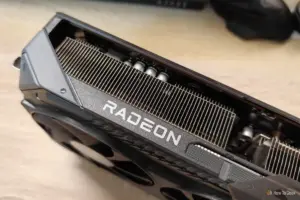
The Hidden Cost of DLSS: Why NVIDIA’s Software Lead No Longer Justifies the GeForce Price Premium
For over a decade, NVIDIA has cultivated a nearly impenetrable software ecosystem...







